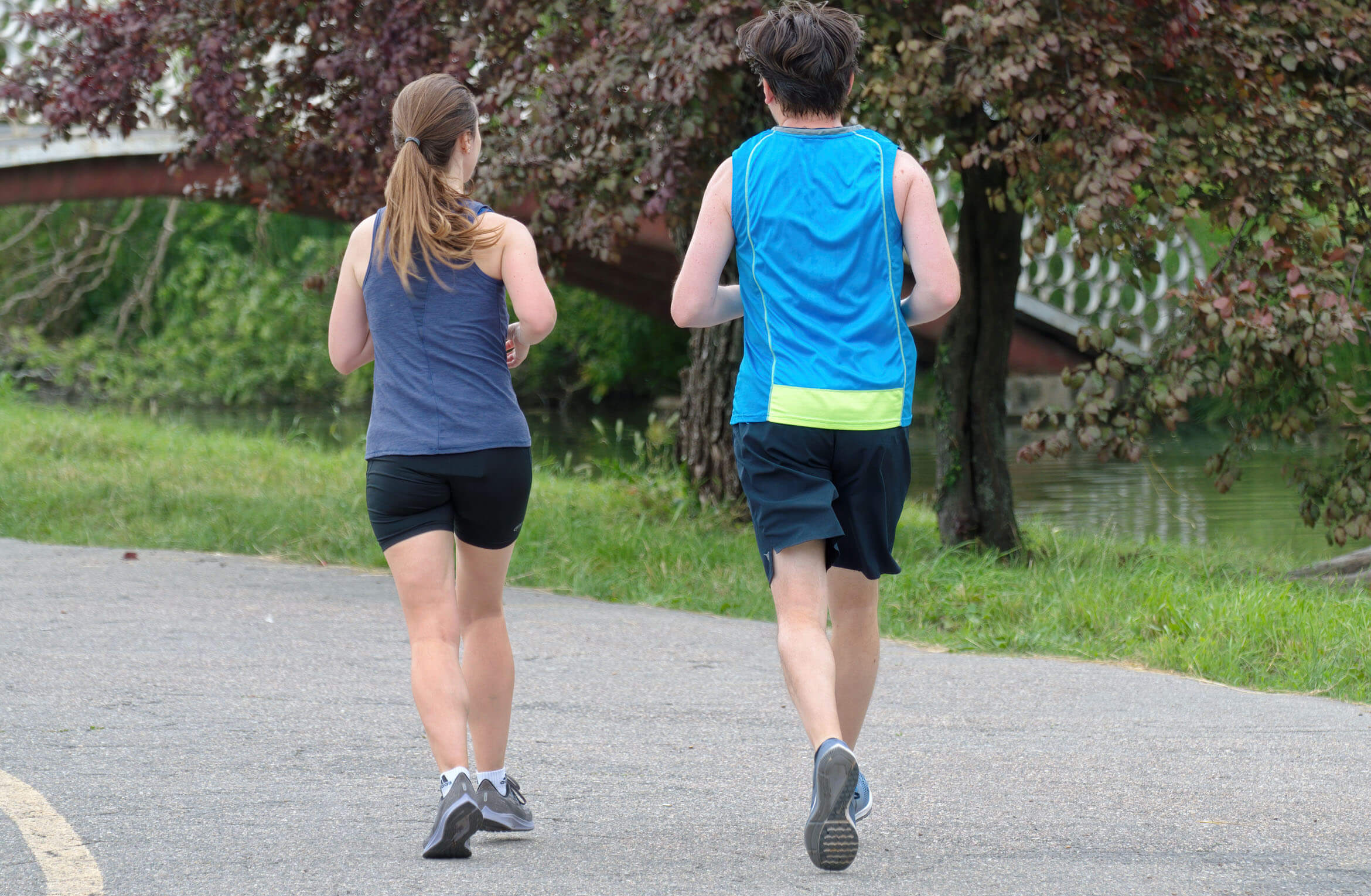
A recent meta-analysis published in the journal Physiology & Behavior reveals that regular physical activity significantly reduces anxiety and depression symptoms in people with chronic insomnia. Researchers from the Federal University of Jataí conducted the review to explore non-drug treatments for the interconnected issues of sleep and mental health. This study addresses a critical gap in understanding how lifestyle interventions can manage complex psychological and physiological conditions simultaneously.
The study combined data from seven randomized controlled trials involving 336 participants across various demographics and age groups. Researchers searched eight large academic databases for research published up to May 2022 to ensure comprehensive coverage of available evidence. Results showed significant decreases in psychological distress compared to control groups receiving standard sleep hygiene education or no intervention at all.
Insomnia often creates a vicious cycle where poor sleep worsens mood and negative mood disrupts sleep further in clinical settings. Medical professionals frequently observe that anxiety and depression feed into each other alongside sleep disturbances in patient populations. This study aims to break that cycle through physical intervention rather than relying solely on pharmaceutical solutions for long-term management of symptoms.
Giselle Soares Passos, an associate professor at the Federal University of Jataí, stated that previous reviews suggested anxiety reduction could explain exercise effects on sleep. She noted that the team motivated themselves to investigate the level of evidence through this comprehensive meta-analysis of independent studies. The findings confirm that working out serves as a potential alternative to sleep medications and antidepressants for specific patient populations seeking relief.
Objective data from wrist sensors indicated participants spent nearly nine fewer minutes tossing and turning after initially falling asleep during the night. However, the interventions did not alter every aspect of sleep architecture, such as total sleep time or the time required to fall asleep. Subjective surveys reported significant improvements in overall sleep quality and reduced insomnia severity scores among the active groups using standardized scales.
Researchers acknowledge limitations including a relatively small sample size and methodological challenges regarding participant blinding in physical trials. It remains unclear which specific type, intensity, or duration of exercise works best for reducing anxiety in this specific demographic group. Future research will likely address these gaps by conducting larger studies with more rigorous designs to establish standardized protocols for treatment.
The scientists plan to investigate how exercise compares directly to cognitive behavioral therapy for insomnia treatment in future clinical trials. They also intend to explore combining physical activity with non-invasive brain stimulation techniques to enhance therapeutic outcomes for patients. Past work from this team has examined exercise paired with acupuncture and common sleep medications to find synergistic effects in clinical settings.
These findings suggest public health strategies could prioritize physical activity as a first-line treatment for comorbid sleep and mental health conditions globally. The results offer hope for patients seeking alternatives to long-term medication use for chronic conditions affecting daily functioning and occupational performance. Further validation is needed before clinical guidelines change significantly based on this emerging evidence from independent studies published recently.