A diet high in specific dairy and wheat proteins may provide a powerful, low-cost defense against cholera. A study published in the journalCell Host and Microbeby researchers at the University of California, Riverside, found that these proteins significantly inhibit the bacteria's ability to establish itself in the digestive tract.
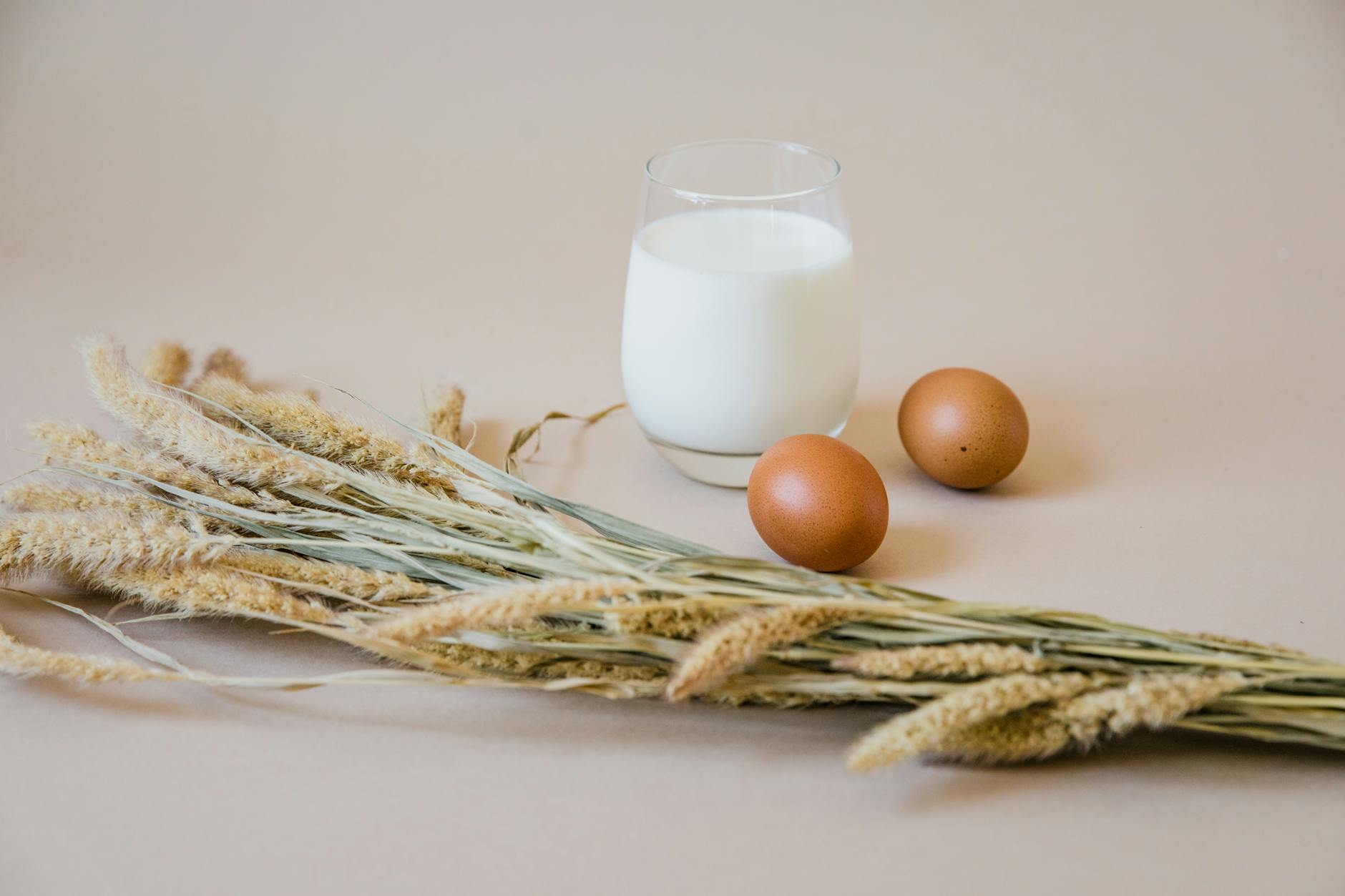
Researchers tested various dietary impacts on infected mice. While high-fat diets showed little effect and carbohydrate-heavy diets offered only modest benefits, those rich in casein—the primary protein in milk and cheese—and wheat gluten yielded striking results.
“I wasn't surprised that diet could affect the health of someone infected with the bacteria,” said Ansel Hsiao, a UCR associate professor of microbiology and plant pathology and the study's senior author. “But the magnitude of the effect surprised me. We saw up to 100-fold differences in the amount of cholera colonization as a function of diet alone.”
Disarming the bacteria
The study suggests these proteins work by disabling the cholera bacteria's "type 6 secretion system" (T6SS). This syringe-like structure allows the pathogen to inject toxins into other microbes, helping it dominate the gut environment. By interfering with this mechanism, the proteins prevent the bacteria from successfully competing with beneficial gut flora.
Cholera remains a major public health challenge in regions with limited access to clean water. Current medical protocols prioritize rehydration, as antibiotics can be limited by the persistent toxins left in the body and the growing risk of antimicrobial resistance.
“Dietary strategies won't generate antibiotic resistance in the same way a drug might,” Hsiao said. "Wheat gluten and casein are recognized as safe in a way a microbe is not, in a regulatory sense, so this is an easier way to protect public health."
While the current findings rely on mouse models, the research team is optimistic that these dietary interventions will translate to human health. Hsiao plans to conduct further studies to determine how these proteins interact with the human microbiome and whether they might offer protection against other infectious pathogens.