Researchers at Shandong University in Qingdao, China, have engineered a probiotic strain to target tumors in mice. The findings appeared March 17 in the open-access journal PLOS Biology. This development offers a potential new strategy for treating cancer, which affects millions of people globally each year. The study represents a significant step in synthetic biology applications for medical use and drug delivery.
The team modified Escherichia coli Nissle 1917 to produce Romidepsin, an FDA-approved drug with anticancer properties. Through genetic and genomic engineering, they created a version of the bacteria capable of generating this specific compound. This approach allows the microbes to function as targeted delivery systems within the human body. The modification process involved complex genomic editing techniques to ensure stability and efficacy.
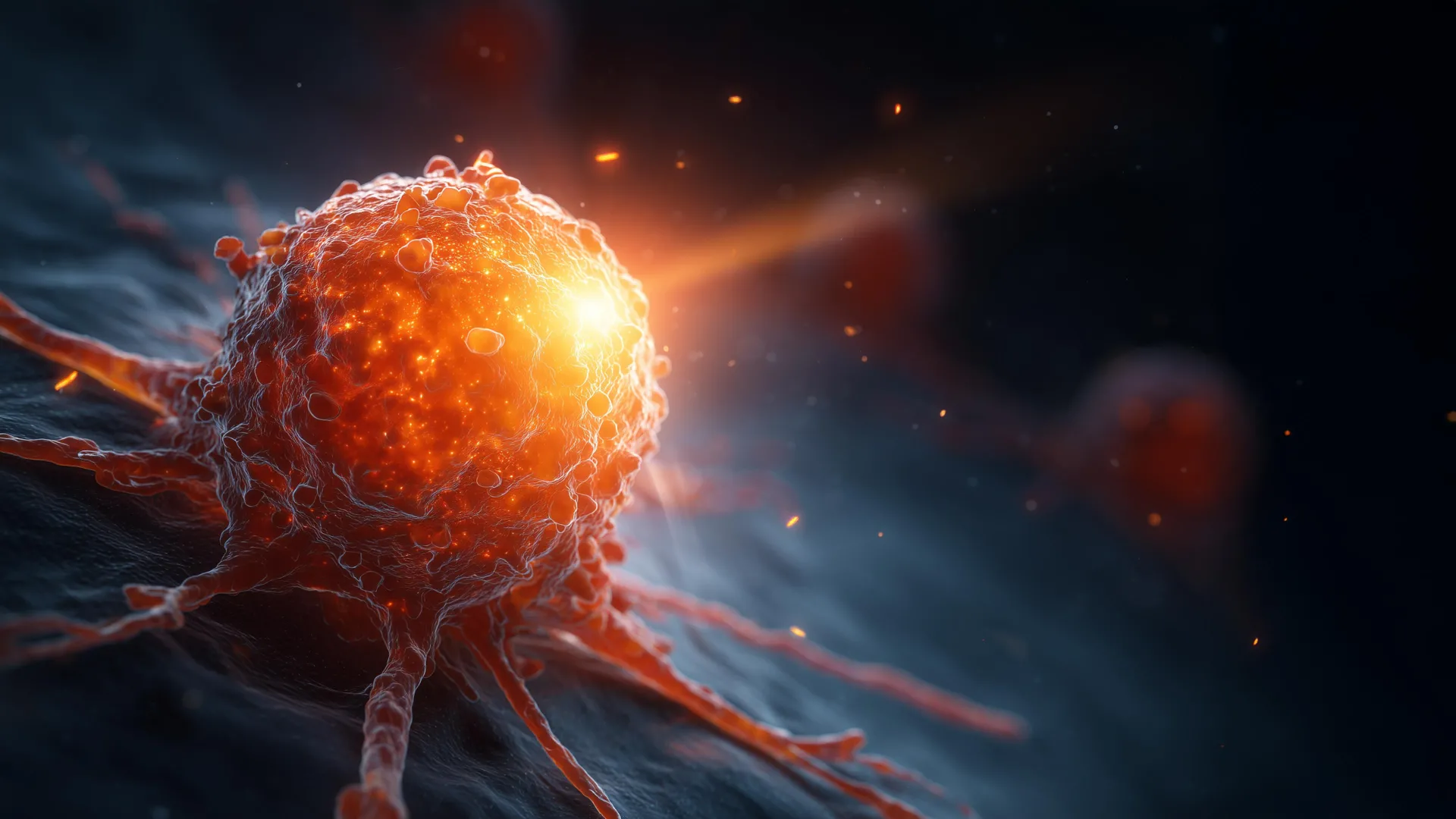
Experiments demonstrated that the engineered bacteria accumulated inside tumors and released the drug in both laboratory and live animal settings. This mechanism enabled the treatment to deliver medication directly to tumor sites under different conditions. The results suggest the bacteria can function effectively as a targeted therapy vehicle without harming healthy tissue. Researchers observed consistent drug release patterns across multiple test subjects.
Scientists are exploring whether these microbes can be redesigned to fight cancer, although their effectiveness as treatments is still uncertain. Previous attempts have faced challenges regarding safety and the ability to control bacterial behavior inside the human body. This study establishes a foundation for engineering bacteria which are capable of producing small-molecule anticancer drugs. The research team aims to overcome historical barriers in microbial therapy.
According to the authors, the probiotic strain shows great promise for cancer treatment through a dual-action strategy. They stated that tumor colonization works with Romidepsin's anticancer activity to form a combined therapy. The lead researcher noted that this paves the way for future advancements in this specific field. The quote emphasizes the potential for bacteria-assisted tumor-targeted therapy.
Even so, more research is needed before this approach becomes a viable option for patients. The approach has not yet been tested in humans, and future studies will need to examine possible side effects. Strategies for safely removing the bacteria after treatment remain a critical factor for success. Regulatory approval will depend on proving long-term safety for human subjects.
If successful, this technology could significantly alter the economic environment of oncology care and reduce long-term treatment costs for patients worldwide. Biotech investors are watching closely as the biopharmaceutical sector seeks new methods to combat resistant cancers that current drugs cannot address. The potential for bacteria-assisted therapy could open new revenue streams for pharmaceutical companies developing novel delivery systems. Global healthcare markets may shift towards more personalized microbial treatments that lower manufacturing expenses.
Regulatory bodies will need to evaluate the safety of introducing genetically modified organisms into human patients before approval. The path from mouse models to clinical trials often involves years of additional testing and data collection to ensure public safety. Global health organizations may eventually consider this method for resource-limited regions where traditional chemotherapy is too expensive. China's growing investment in biotechnology positions it as a key player in this sector and influences global research funding.
The study highlights the growing intersection between synthetic biology and traditional pharmaceutical development. International collaboration on such projects could influence global health security and medical supply chains. Researchers continue to monitor the progress of similar initiatives across different continents. The technology could reduce reliance on expensive synthetic chemical production methods and lower barriers to entry.
What comes next involves rigorous clinical trials to validate the efficacy and safety of the engineered bacteria. The scientific community will watch for updates regarding human testing protocols and regulatory approvals. This development marks a significant step forward in the ongoing battle against malignant diseases. Future publications will likely detail the next phase of preclinical research and safety data.