Researchers at Yale University have identified a correlation between high densities of industrial animal agriculture and increased cancer rates across several U.S. states.
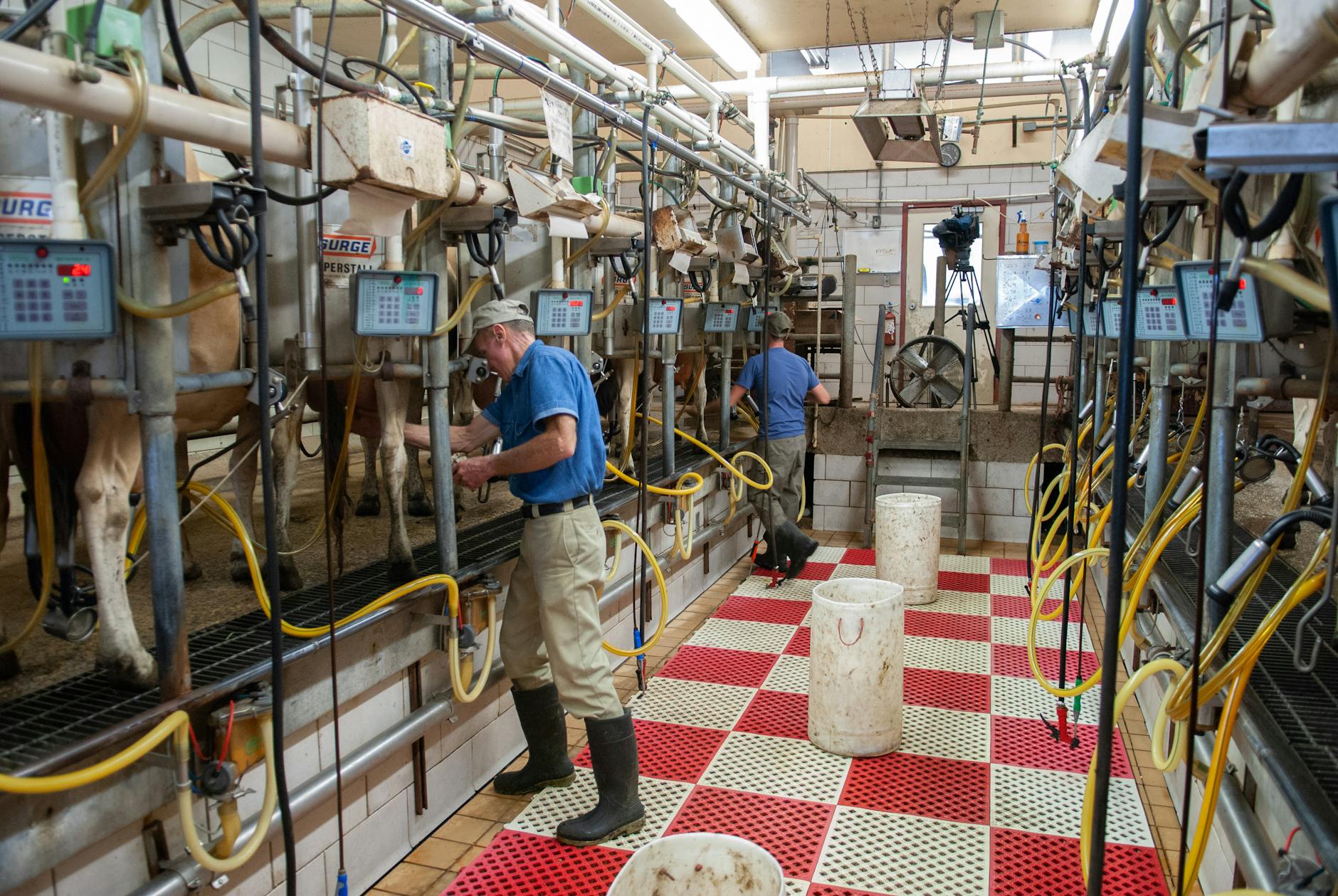
Analyzing county-level data from 2000 to 2021, the study found that overall cancer incidence rates were significantly elevated in areas with high concentrations of Concentrated Animal Feeding Operations (CAFOs).
In California, cancer rates were 4% higher in counties with dense animal farming, while both Iowa and Texas saw rates 8% higher than similar control counties.
Environmental contaminants linked to rising rates
Factory farms produce massive amounts of waste, including nitrogen-rich manure often stored in large outdoor lagoons. These operations release air pollutants such as ammonia, hydrogen sulfide, and particulate matter.
Runoff from these sites can also contaminate local waterways with pathogens and nitrates. A separate report from the Iowa Environmental Council and the Harkin Institute found that high levels of environmental contaminants, including nitrates, are ubiquitous across Iowa.
Dr. Richard Deming, an Iowa oncologist and co-author of the Harkin Institute report, noted that the Yale findings align with existing data regarding nitrate exposure.
“When you know the relationship between CAFOs and nitrates that get into the water, it doesn’t surprise me that it’s another study that supports the data,” Deming said.
While the study showed positive associations between animal feeding operation density and rates of almost all cancers, the correlation varied by cancer type. Deming noted that such variability is expected because cancer development often involves decades of exposure interacting with genetics, diet, and lifestyle factors.
Anne Schechinger, senior director of agriculture and climate research at the Environmental Working Group, noted that socioeconomic factors in rural counties add complexity to directly linking specific cancer cases to CAFO pollution.