Scientists at the University of California, San Francisco (UCSF) have identified a biological mechanism that explains why older adults suffer disproportionately from severe flu and COVID-19. Their findings, published March 27 in the journal Immunity, suggest that aging lung tissue actively promotes a cycle of dangerous inflammation.
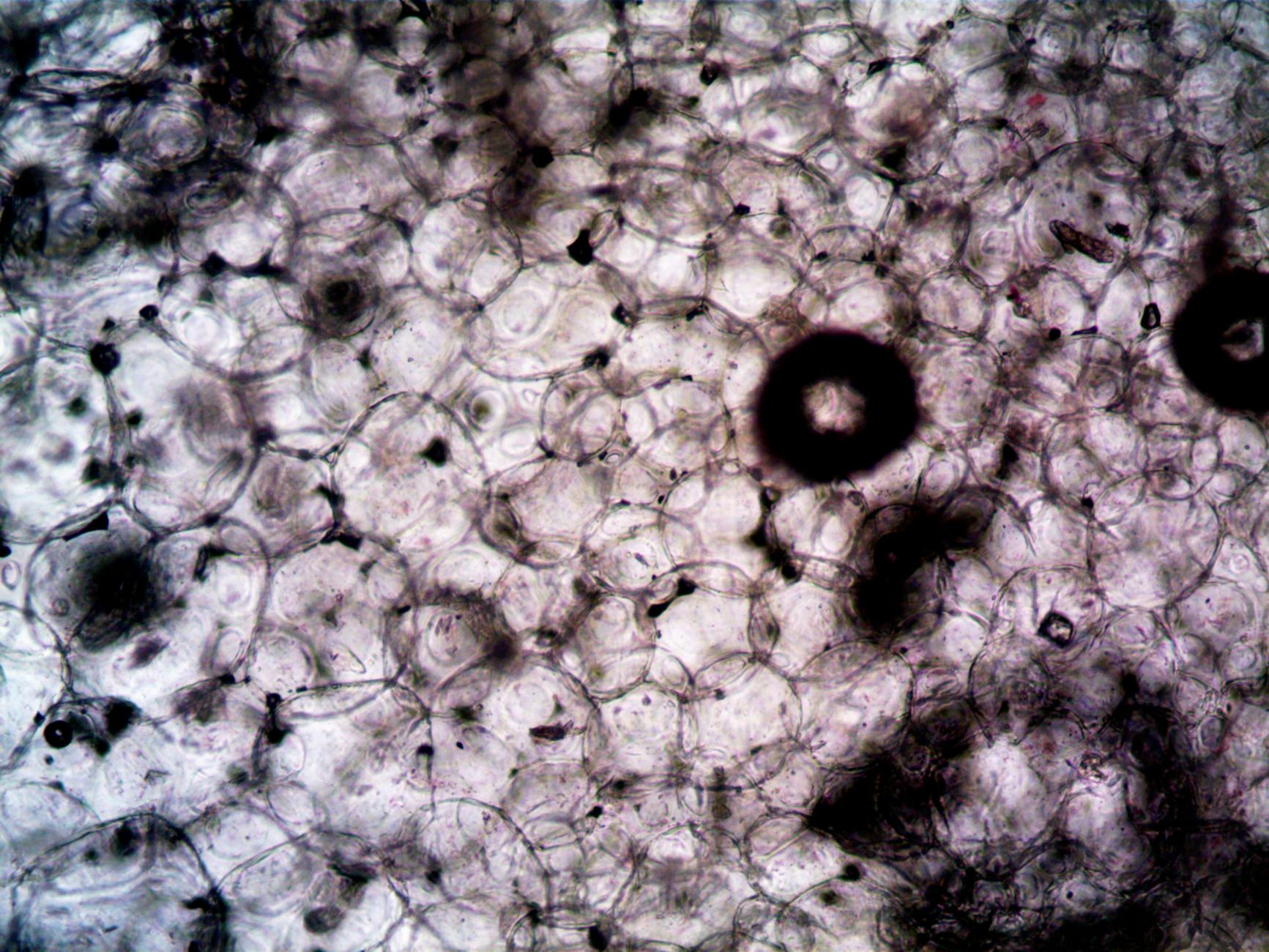
The research team focused on fibroblasts, which are structural cells responsible for maintaining lung tissue integrity. They discovered that as these cells age, they can trigger an aggressive immune response that causes more damage than the virus itself.
The role of 'inflammaging'
In experiments involving young mice, researchers activated a specific stress signal associated with aging. This process caused the lungs to develop clusters of inflammatory immune cells that resembled those found in the lungs of elderly subjects. When these specific cells—marked by the GZMK gene—were removed, the mice showed a significantly higher tolerance to infection.
"We were surprised to see lung fibroblasts working hand-in-hand with immune cells to drive inflammaging," said Dr. Tien Peng, the study's senior author and a professor of medicine at UCSF. "It suggests new ways to intervene before patients progress to severe inflammation that can require intubation."
The researchers also analyzed lung tissue samples from older patients hospitalized with COVID-related acute respiratory distress syndrome. They found the same clusters of inflamed cells in these patients, whereas healthy donor lungs remained free of them. The study indicates that the severity of the illness correlated directly with the density of these cell clusters.
Dr. Nancy Allen, the study’s first author, noted that these cells appear to be ineffective at fighting the actual infection. Instead, they act as a source of collateral damage to the lung architecture.
This discovery offers a potential roadmap for future medical interventions. By targeting the signaling pathway between fibroblasts and immune cells, doctors may eventually be able to prevent the transition from a mild respiratory infection to a life-threatening condition in vulnerable populations.