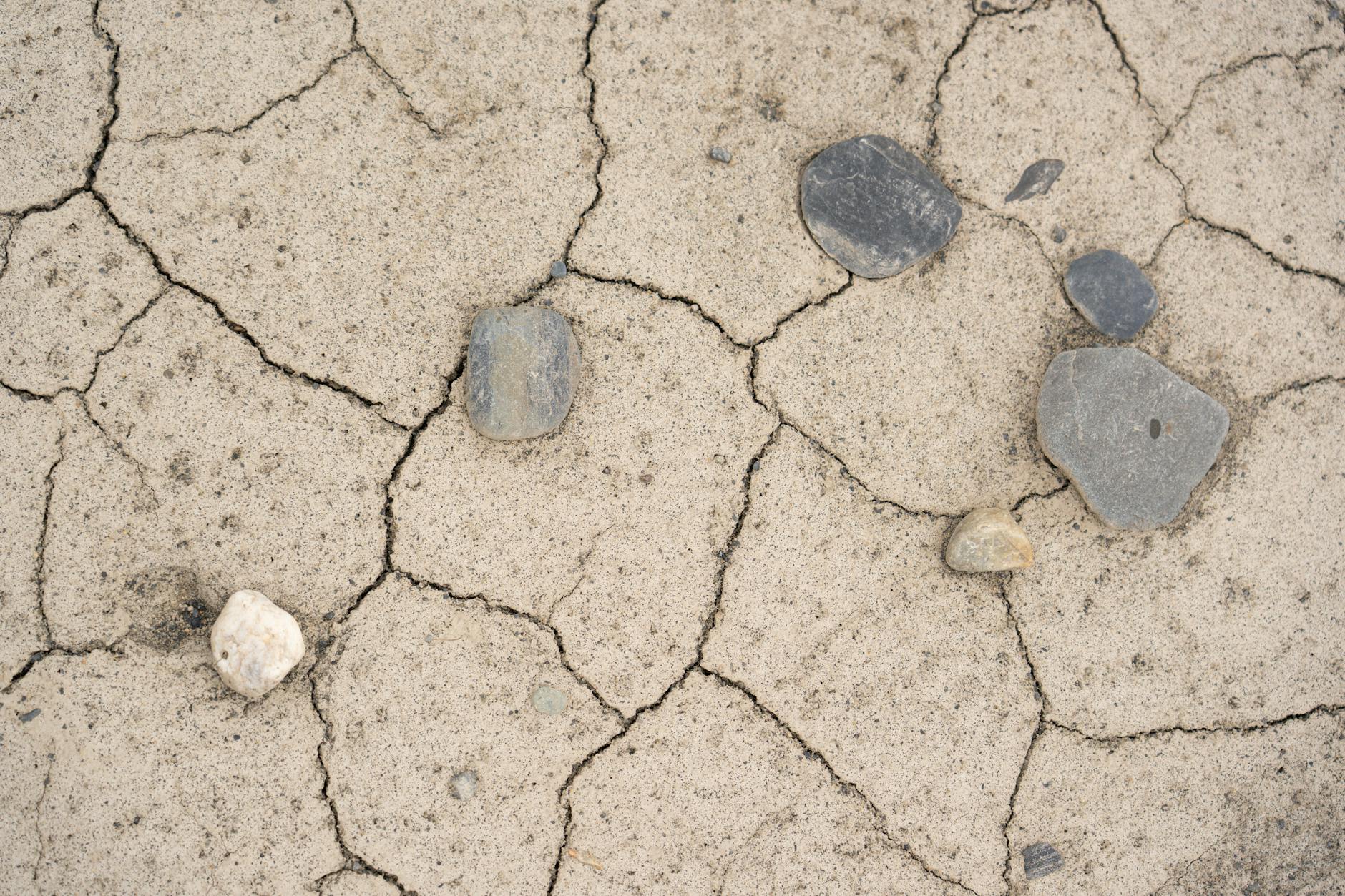
The Limarí province is facing a multi-faceted crisis that threatens the stability of its rural communities. Climate change, manifesting as a severe water shortage, is driving young people to migrate toward the urban centers of the Coquimbo region.
Since July 2024, the Ministry of Public Works has designated the entire province as a Water Scarcity Zone, a status that will remain in effect until July 2026. According to the region's Labor Observatory, this situation is directly impacting agricultural production.
A recent study indicates that a 10% drop in rainfall can lead to a 37% reduction in agricultural output. This deficit directly threatens the livelihoods of communities in Río Hurtado, Monte Patria, Punitaqui, and Combarbalá.
Depopulation and the Digital Divide
The population exodus is already leaving a visible mark on social infrastructure. In Monte Patria, the closure of three rural schools and the loss of 190 students this year highlight declining birth rates and the migration of families.
Monte Patria Mayor Cristián Herrera described a population that is aging and moving to other cities. According to the official, the municipality is facing climate migration challenges that have even been documented by the UN.
Meanwhile, Río Hurtado has recorded the highest aging index in the region, at 173.7—well above the national average of 79. The municipality's mayor, Carmen Juana Olivares, is seeking to reverse this trend through scientific and paleontological tourism.
The lack of digital connectivity is exacerbating the situation. The 2025 Communal Digitalization Index places Punitaqui, Combarbalá, and Monte Patria below the national median in terms of network access.
Ovalle Mayor Héctor Vega acknowledged that service quality is poor in rural areas, though he is working with the Regional Ministry of Transport to improve telephone coverage in critical sectors like Caleta El Toro.
Local authorities agree that a solution requires a comprehensive strategy to guarantee basic services such as drinking water, electricity, and sanitation. Punitaqui Mayor Pedro Araya emphasized that real, tangible conditions are needed so that people can envision a future and remain in their communities.