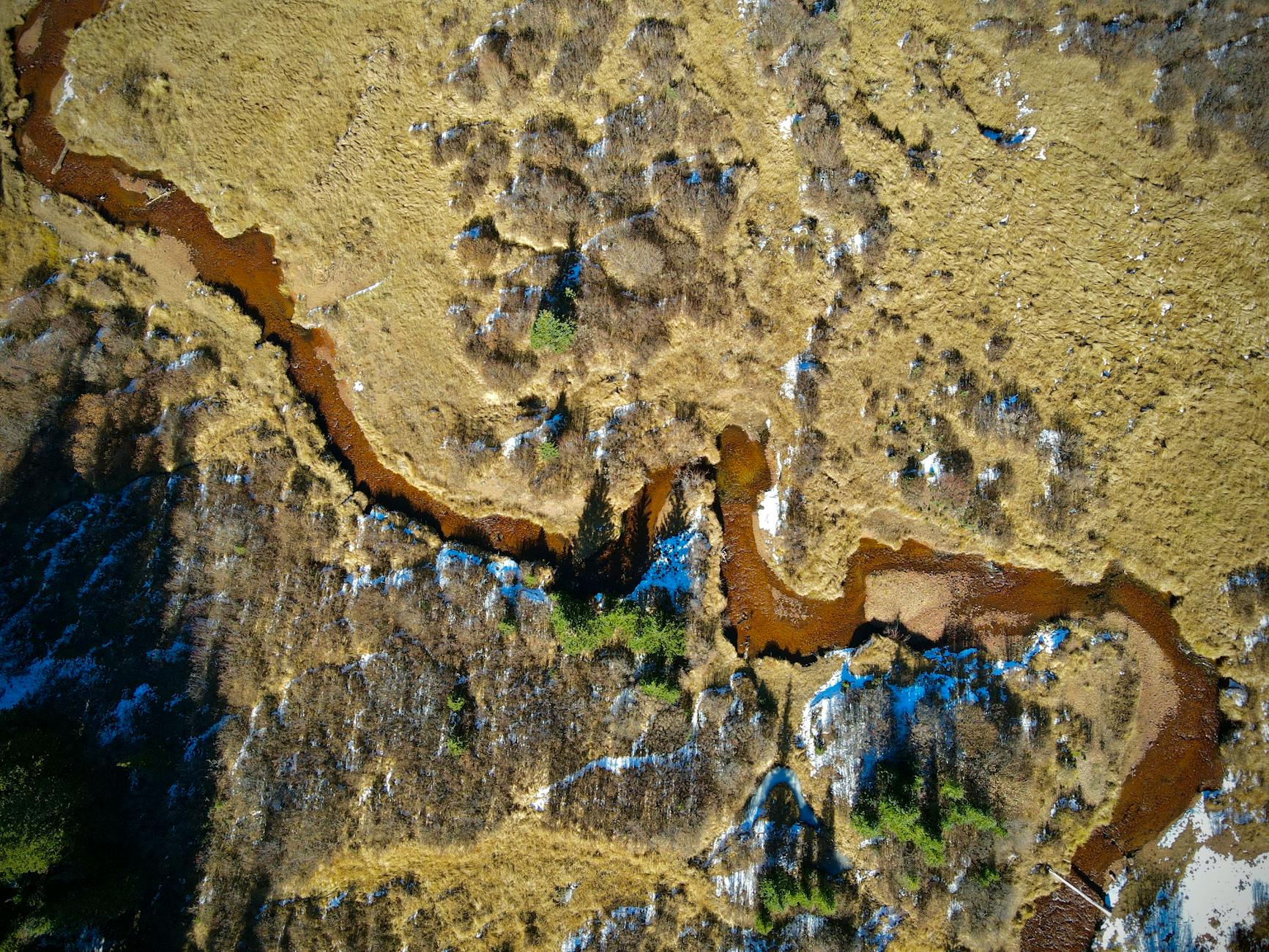
Plants are acting like massive straws, sucking up much of the Colorado River's missing water during the spring, according to new research from the University of Washington.
The study, published in Geophysical Research Letters, identifies a lack of spring rainfall as the primary driver behind why river flows have consistently fallen short of snowpack-based forecasts since 2000.
Researchers found that warmer, drier spring conditions explain nearly 70% of the discrepancy between predicted and actual river flows. As spring rains decrease, vegetation relies more heavily on melting snow to survive.
The role of spring precipitation
Increased sunshine during these dry periods further accelerates the process. Clearer skies boost plant growth and increase evaporation from the soil, leaving less water to reach downstream users in seven U.S. states and Mexico.
"The period of time when we were wondering, 'Oh no, where's our water going?' started around the same time when we saw this drop in spring precipitation," said lead author Daniel Hogan, a doctoral student in the University of Washington's civil and environmental engineering department.
Hogan noted that the shift coincides with the beginning of the 'Millennium drought' in 2000. He explained that without spring rains, plants use the melting snowpack to fuel rapid growth.
"If it's going to be sunny, the plants are going to say, 'Oh, I'm so happy. The snow just melted and I have a ton of water, so I'm going to grow like gangbusters,'" Hogan said.
The research team analyzed 26 headwater basins across the Upper Colorado River Basin using precipitation and streamflow records dating back to 1964. The findings were consistent across all studied locations.
While scientists previously investigated whether snow was turning directly into vapor through sublimation, that process accounted for only about 10% of the shortfall. The primary culprit is the biological response of the ecosystem.
Lower-elevation basins experienced the most significant declines. In these areas, earlier snowmelt provides a longer window for plants to absorb moisture before it reaches the river's tributaries.