Experts from the Center for Biological and Aquaculture Research of Cuemanco (CIBAC) at the Autonomous Metropolitan University (UAM) are working against the clock to reintroduce the Mexican axolotl (Ambystoma mexicanum) to its natural habitat in Xochimilco. As reported by El Financiero, the team led by Dr. José Antonio Ocampo hopes to release nearly 800 individuals this year, pending the completion of regulatory procedures with the Ministry of Environment and Natural Resources (Semarnat).
The project aims to reverse a population crisis that has been documented since the late 1990s. The first official census, conducted in 1998 by Dr. Virginia Graue Wiechers, recorded nearly 6,000 axolotls per square kilometer. By 2014, that figure had plummeted to just 35 individuals, leaving the species' survival in doubt.
"If there is a genuine interest in making the axolotl a symbol of conservation, then we need to see actual work being done in the areas where these animals live," said José Antonio Ocampo, who has dedicated 32 years to the conservation of this amphibian. The specialist estimates that achieving a 20 percent survival rate in the wild would allow for the establishment of a body of water where natural selection can once again take its course.
Threats and the Future of the Species
Although the axolotl is a cultural icon of Mexico City—its image appearing on walls and commercial products everywhere—its actual presence in the wetlands is under pressure from urbanization and pollution. Dr. Ocampo warned that the decline of traditional chinampa farming, the use of fertilizers, the construction of sports fields over canals, and pollution from boat motors have severely degraded the ecosystem.
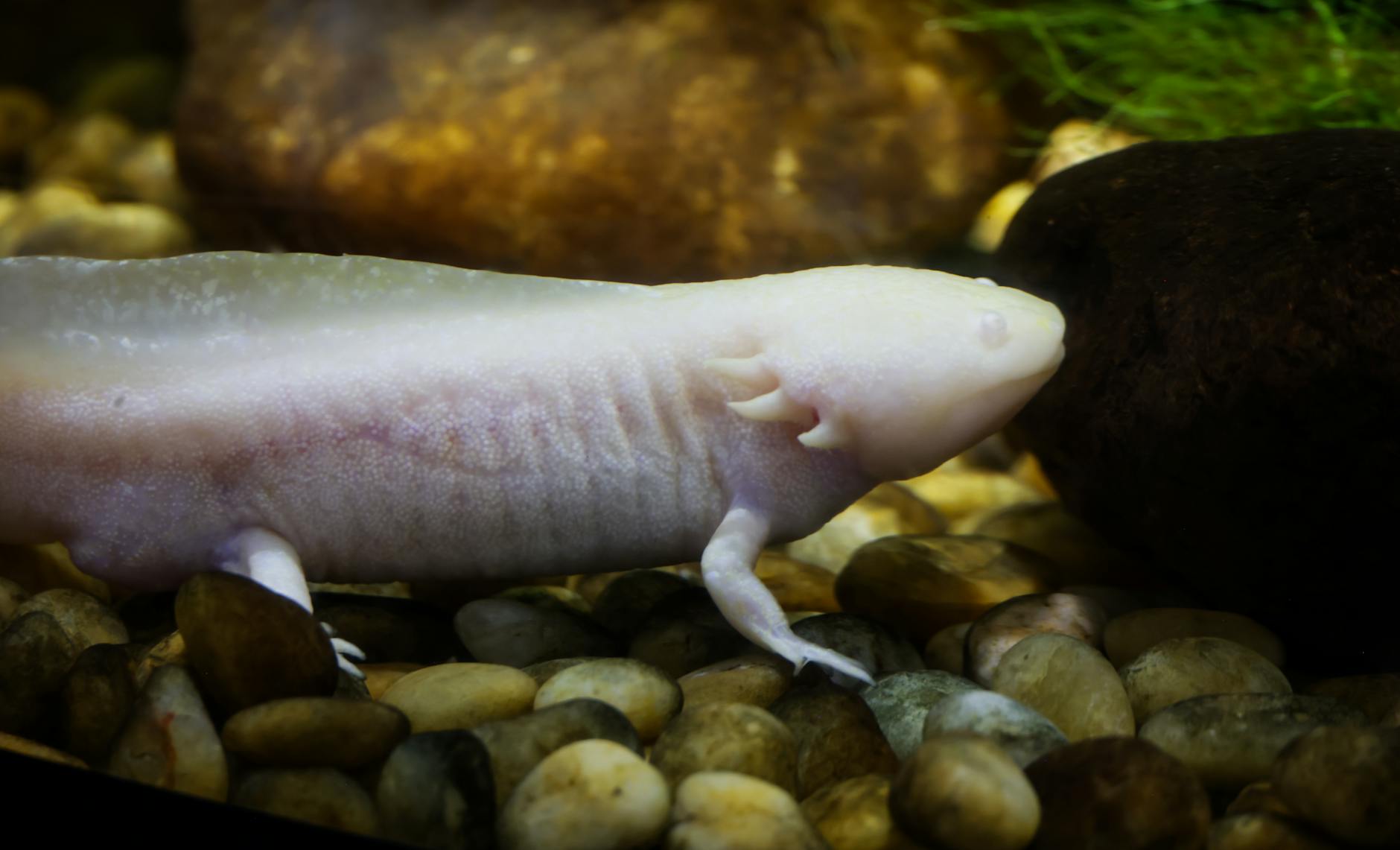
The axolotl, a creature capable of regenerating entire limbs, is a bioindicator species: its permeable skin makes it extremely sensitive to any changes in water quality. Confusion regarding its identity also persists, as the commercialized image of the animal is usually that of albino specimens, whereas the species native to Xochimilco actually possesses a dark coloration.
CIBAC, which is registered as a Wildlife Management Unit, maintains colonies in controlled conditions to preserve genetic diversity. The researcher emphasized that while the axolotl is not in danger of biological extinction globally due to its captive populations, its disappearance from the natural environment of Xochimilco would represent an irreparable ecological loss for the Valley of Mexico.