Santiago Extends Restrictive Measures Following Sunday Environmental Alert
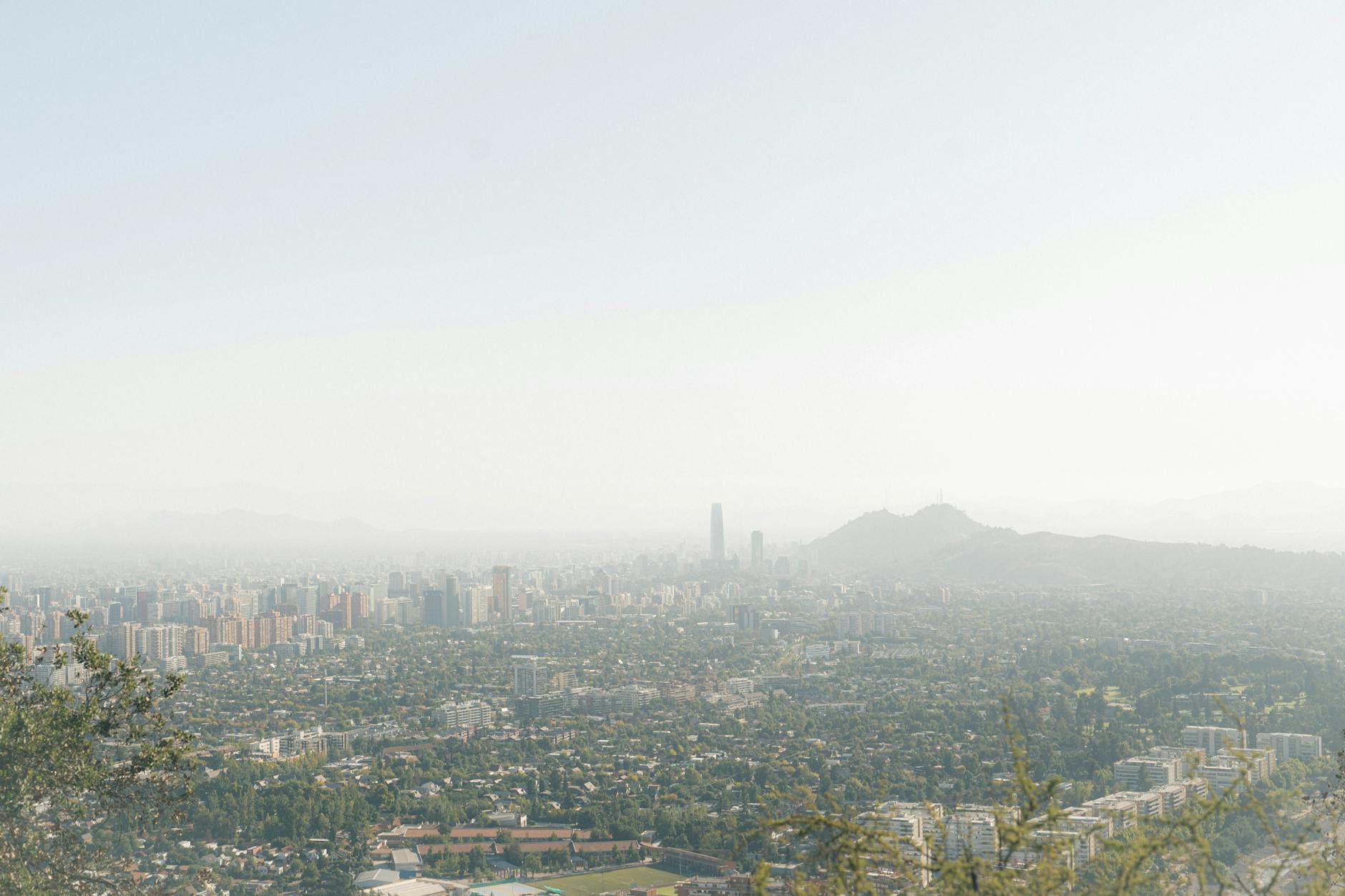
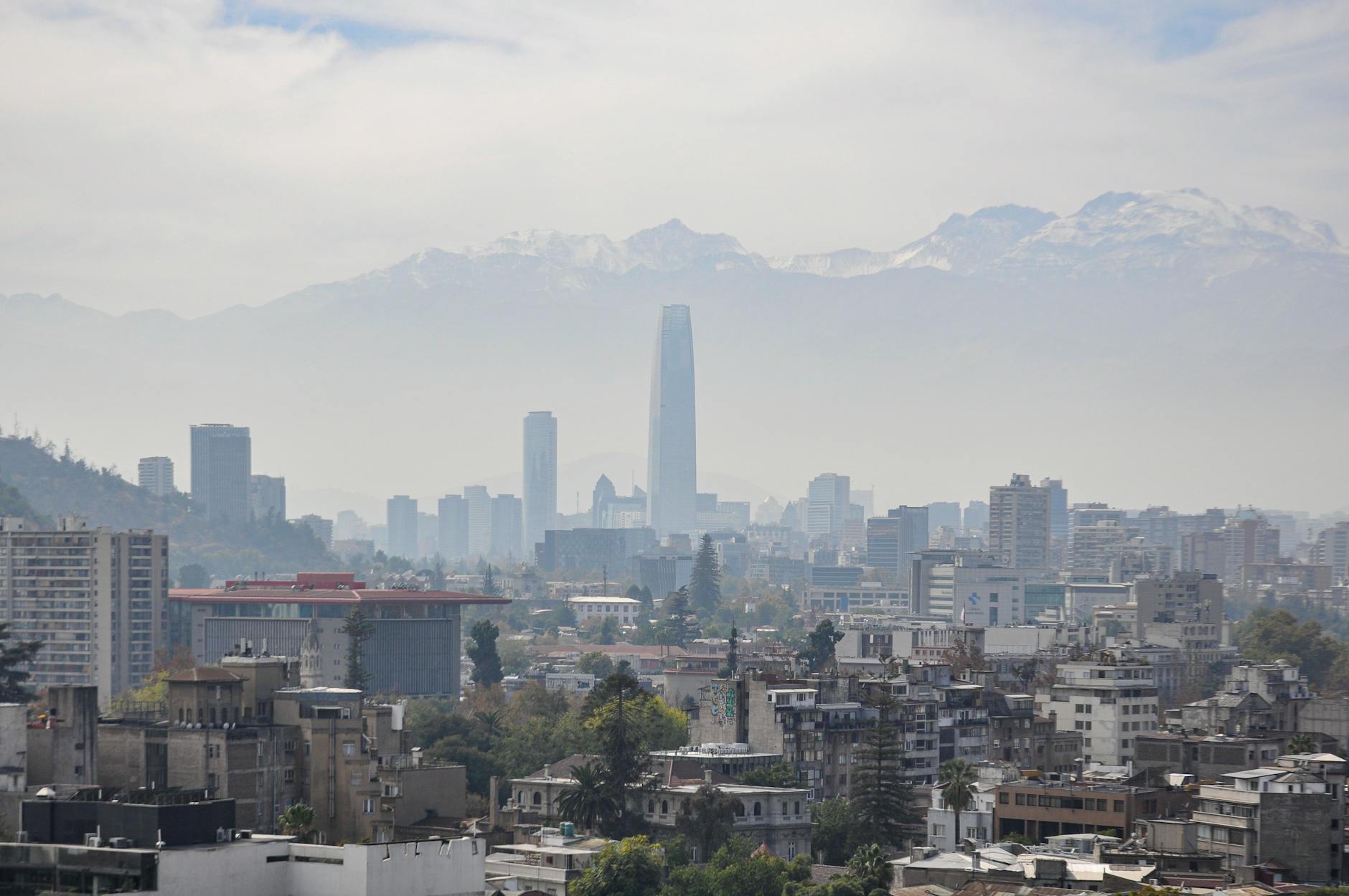
The Metropolitan Presidential Delegation has declared an environmental alert for Sunday, May 31, maintaining current restrictions due to the ongoing decline in air quality across the capital. The measure, adopted upon the recommendation of the Regional Ministerial Secretariat (Seremi) for the Environment, aims to protect public health in the face of meteorological conditions that are preventing the dispersion of pollutants.
Technical reports indicate that early Saturday morning, the Cerro Navia monitoring station recorded an environmental pre-emergency for coarse particulate matter (PM10), a condition that persisted until 11:00 a.m. Simultaneously, the Pudahuel station recorded pre-emergency levels for fine particulate matter (PM2.5) from 10:00 a.m. to 2:00 p.m., remaining in critical ranges for the rest of the day.
According to data collected to date, the Metropolitan Region has recorded a total of eight alerts and two pre-emergencies for PM2.5, as well as three alerts and one pre-emergency for PM10. The Chilean Meteorological Office (DMC) reports that for Sunday, the region will transition from cyclonic circulation to a weakened anticyclonic regime, with temperatures ranging between 8°C and 14°C (46°F–57°F), which will further hinder ventilation in the basin.
Since it is a Sunday, vehicle restrictions are not in effect in the capital. Consequently, enforcement efforts have focused on stationary sources and residential emissions. The use of wood-burning heaters and wood-derived fuel is strictly prohibited, with the sole exception of pellet-burning stoves. This measure will be monitored by Seremi Health teams in coordination with local municipalities and the Carabineros police force.
Furthermore, a total ban on agricultural burning remains in place, a regulation effective from March 1 to October 31. Oversight of this activity is managed by the Seremi of Agriculture, supported by the Agricultural and Livestock Service (SAG) and the National Forestry Corporation (Conaf), which have established the number 130 for public reporting.
In light of the alert, health authorities have issued specific recommendations for schools and sports organizations. It is suggested that, rather than canceling physical education classes, schools should modify the intensity of activities, avoiding high-exertion tasks and prioritizing learning objectives that do not require high oxygen consumption, preferably conducted indoors.