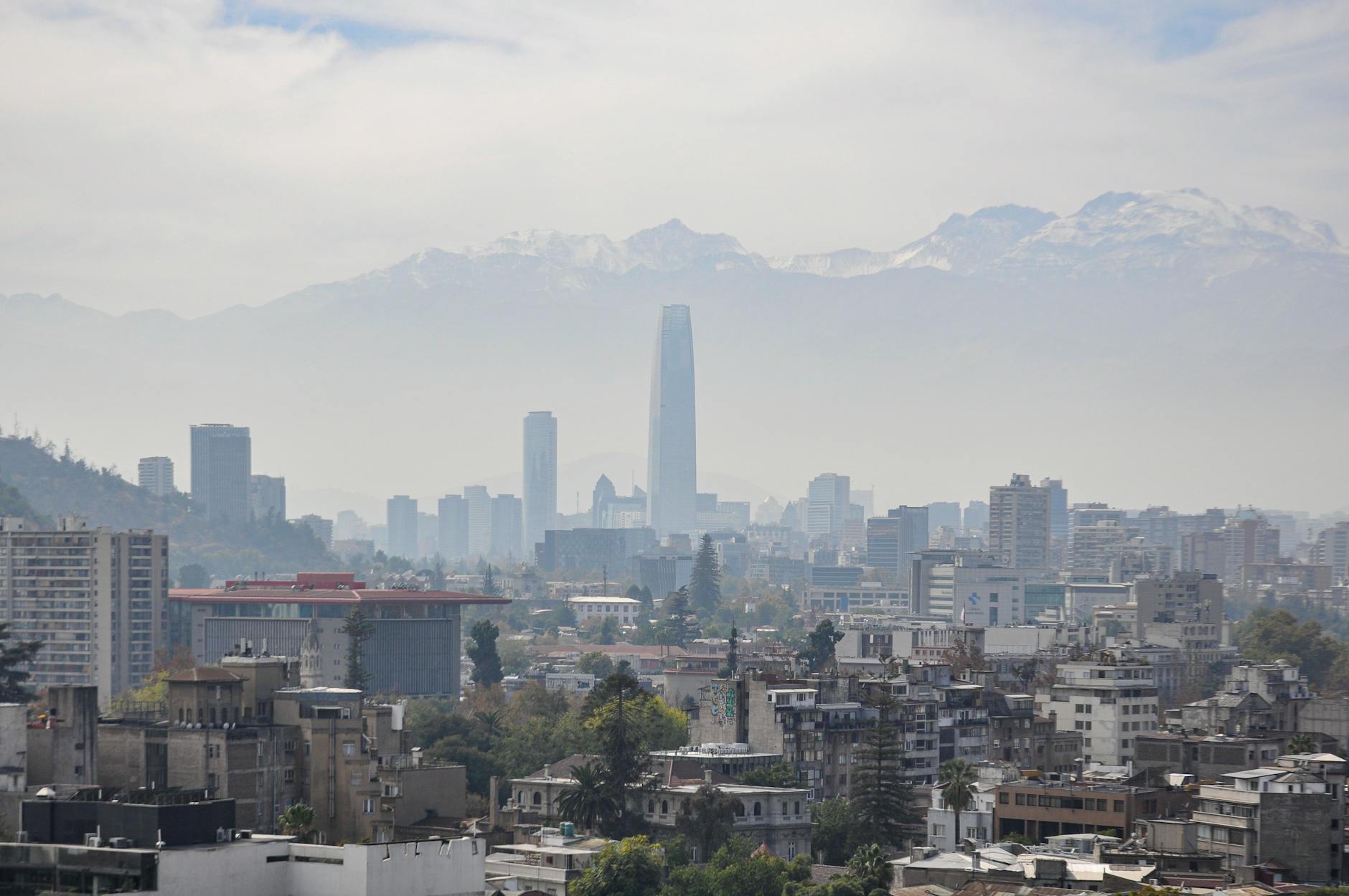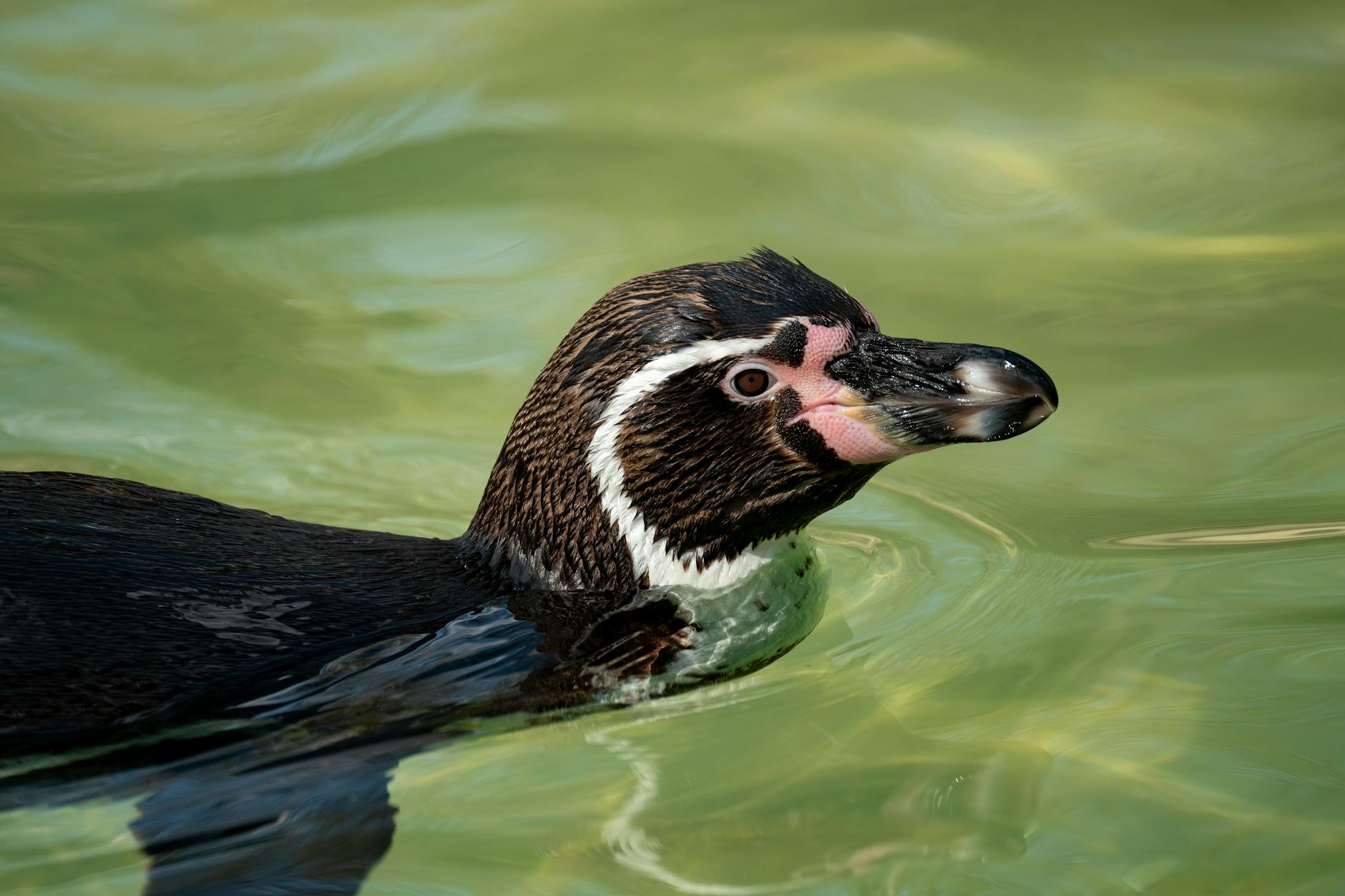
The Humboldt Archipelago, located in northern Chile, faces a direct threat from the development of port infrastructure projects with high environmental impacts. These industrial development plans jeopardize the world's largest population of Humboldt penguins, a species currently facing extinction.
For over a decade, two large-scale projects have sought to establish operations off the coast of the archipelago. The initiative has faced systematic opposition from scientists, coastal communities, and environmental organizations across the country.
Risk to the marine ecosystem
The construction of these ports would lead to increased maritime traffic and a higher risk of pollution in a highly biodiverse area. Critics warn that any massive intervention would disrupt the birds' breeding habits and the delicate balance of an environment that is home to whales, dolphins, and sea lions.
Various scientific studies demonstrate that the presence of industrial ports interrupts penguin nesting. Furthermore, such infrastructure alters trophic dynamics, affecting the food chain of protected species along the Chilean coast.
Mitigation measures proposed by companies are often insufficient to compensate for the damage to such a delicate natural system. The disruption of the ecosystem directly impacts local economies that rely on artisanal fishing and sustainable tourism.
Although the Humboldt Archipelago Marine Protected Area was established in 2023, experts point out that the measure is insufficient without effective oversight. The survival of the species depends on regulations that prevent the expansion of mega-projects in ecologically fragile zones.