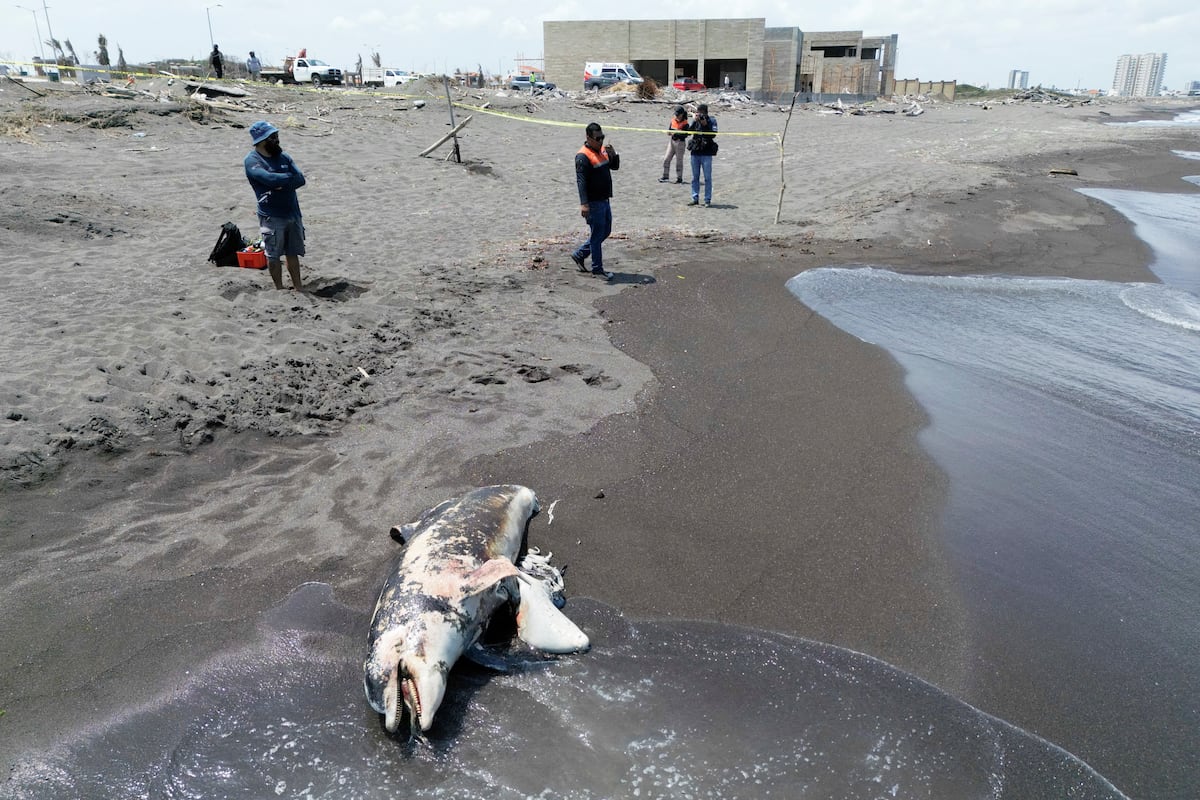
An oil spill that has persisted in the Gulf of Mexico for nearly two months is threatening the stability of marine ecosystems and the survival of various species. The accumulation of hydrocarbons in the region is disrupting the food chain, affecting everything from microscopic organisms to apex predators.
Exposure to these pollutants is causing severe physiological changes and death among iconic wildlife. Species such as whale sharks, clymene dolphins, and sea turtles are facing the degradation of their habitats, migratory routes, and breeding grounds.
Impact on the Food Web
The damage extends to the very foundation of marine life. Phytoplankton and bacteria—essential for oxygen production and carbon sequestration—are suffering impacts that could disrupt global climate regulation.
Mangrove ecosystems, seagrass meadows, and submerged vegetation are highly vulnerable. The loss of these plants leads to the disappearance of natural refuges for numerous coastal species.
On the ocean floor, benthic organisms are in direct contact with toxic substances. According to data from the Gulf of Mexico Research Consortium (CIGoM), these pollutants accumulate and are transferred up the food chain.
This process of bioaccumulation ultimately reaches species consumed by humans. Ocean pollution directly impacts food security and the health of coastal communities.
While the situation is critical, natural mitigation mechanisms do exist. Certain marine fungi, such as the generaPenicillium sp.andCandida, possess the biological capacity to degrade hydrocarbons.
Nevertheless, the sheer scale of the disaster is impacting the livelihoods and ways of life of populations that depend on the sea. The persistence of pollutants in the ecosystem compromises the region's biological balance.