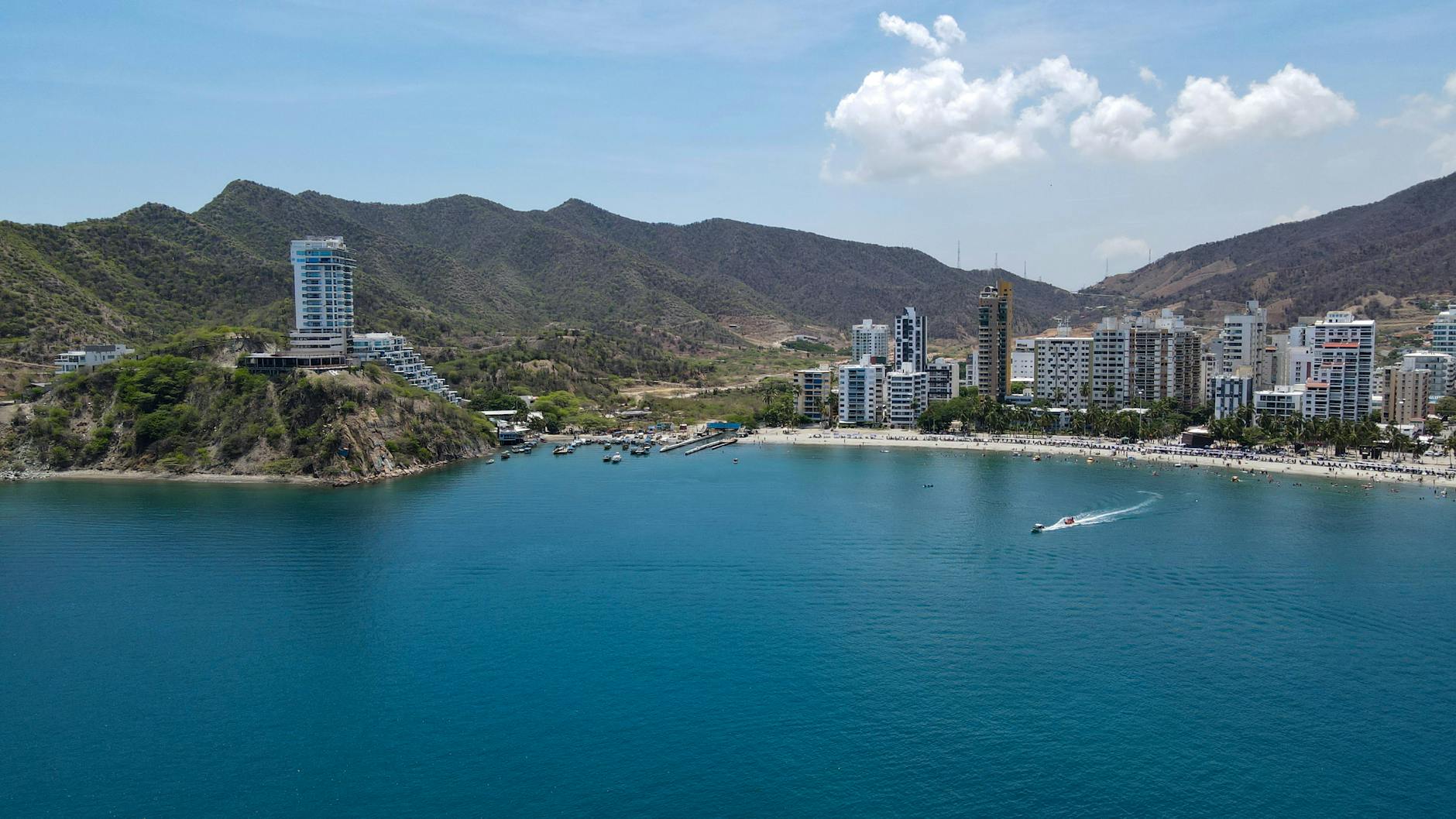
Energy ministers from roughly 50 nations are meeting in Santa Marta, Colombia, for a two-day summit to determine how to transition the global economy away from fossil fuels. The conference, held from April 28-29, seeks to move past the diplomatic stalemate that has followed the 202-year-old COP28 agreement in Dubai.
According to France 24, the summit was organized by Bogota in response to the realization that major UN COP meetings are no longer sufficient to address the production of gas, oil, and coal. While the COP28 text officially mentioned the need to "transition away from fossil fuels," negotiations have since stalled because major oil and gas-producing countries have blocked consensus.
Breaking the diplomatic deadlock
The Santa Marta conference aims to shift the global conversation from whether fossil fuels should be phased out to how ambitious nations can implement concrete solutions. The summit takes place at the foot of the Sierra Nevada mountain range during a pivotal moment for Colombian politics.
Colombian President Gustavo Petro, who promised to "wean" the nation's economy off coal and oil when elected in 2022, is facing a domestic political crossroads. With the first round of presidential elections scheduled for May 31, Petro’s energy transition plan remains unfulfilled as the country continues to rely on fossil-fuel production.
Despite these domestic challenges, Petro has used his platform to criticize the global reliance on hydrocarbons. During his first speech to the UN General Assembly, the Colombian president famously asked, “What is more poisonous for humanity: cocaine, coal or oil?”
Speaking at COP28 in Dubai, Petro addressed the economic risks of his stance. “Some will ask how I can contemplate such economic suicide [by doing away with fossil fuels], given that we depend on oil and coal,” he said.
He concluded his address by stating, “But today we are witnessing a massive clash between fossil capital and human life, and we must choose a side. We are choosing the side of life.”
Colombia remains Latin America's fourth-largest oil exporter. However, the government continues to position itself as a leader in the movement to move the global economy toward renewable energy sources.