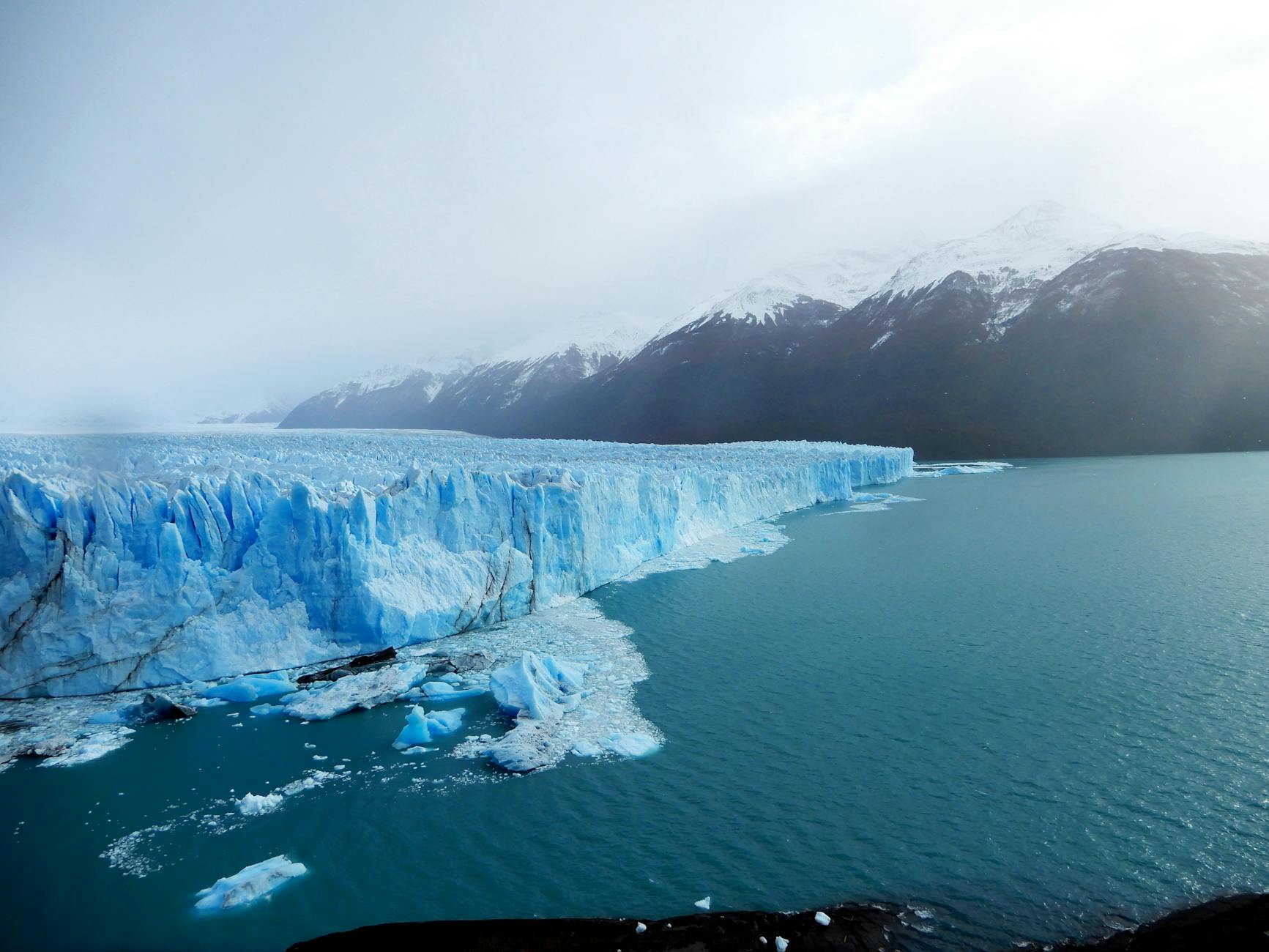
Argentina's Chamber of Deputies approved an amendment to the country's Glacier Law on Thursday, authorizing mining operations in ecologically sensitive areas of glaciers and permafrost.
The lower house passed the bill with 137 votes in favor and 111 against following a nearly 12-hour debate. The amendment, which received Senate approval in February, eases restrictions on mining for metals such as lithium, copper, and silver in the Andes mountains.
President Javier Milei has championed the legislation as a way to attract large-scale mining projects. The administration argues the move is essential for economic growth, particularly as Argentina seeks to expand its lithium production for the global green energy sector.
"Environmentalists would rather see us starve than have anything touched," Milei said, dismissing critics of the bill.
Environmental backlash and protests
The legislative victory triggered immediate protests in Buenos Aires. Thousands of demonstrators gathered outside the Congress building on Wednesday, leading to sporadic clashes with police.
Seven Greenpeace activists were arrested after scaling a statue outside parliament to unfurl a banner protesting the law. Protesters carried signs reading "Water is more precious than gold!" and "A glacier destroyed cannot be restored!"
Environmentalists argue the reform weakens protections for vital water sources. Flavia Broffoni, an activist at the protest, told AFP that scientific reality contradicts the government's claims of sustainability.
"The science is clear... there is absolutely no possibility of creating what they call a ‘sustainable mine’ in a periglacial environment," Broffoni said.
Under the existing law, a scientific body designates which glaciers and periglacial environments receive protection. The new amendment shifts more power to individual provinces, allowing them to decide which areas are suitable for economic exploitation.
Data from the Argentine Institute of Snow Research, Glaciology and Environmental Sciences shows that glacial reserves in the country's northwest have already shrunk by 17 percent over the last decade due to climate change.
Nicolas Mayoraz, a lawmaker from the ruling La Libertad Avanza party, defended the bill, stating that the government believes "combining environmental protection and sustainable development is possible."