Argentina’s Chamber of Deputies passed a reform to the Glacier Law on Thursday, easing restrictions on mining activity in the Andes Mountains. Following more than 10 hours of debate, the initiative secured 137 votes in favor, 111 against, and 3 abstentions, completing its legislative journey after receiving prior approval from the Senate in February.
President Javier Milei hailed the measure as a victory for economic sovereignty. "Our country is returning to true environmental federalism and an intelligent policy for the exploitation of its resources," the president stated in an official release following the vote.
The new regulation amends Law 26.639, which has been in effect since 2010. According to the President's Office, the original wording was "confusing" and led to interpretations that prohibited mining even in areas where no glaciers required protection. The government maintains that the change will unlock an estimated $20 billion in investments.
The impact of new provincial control
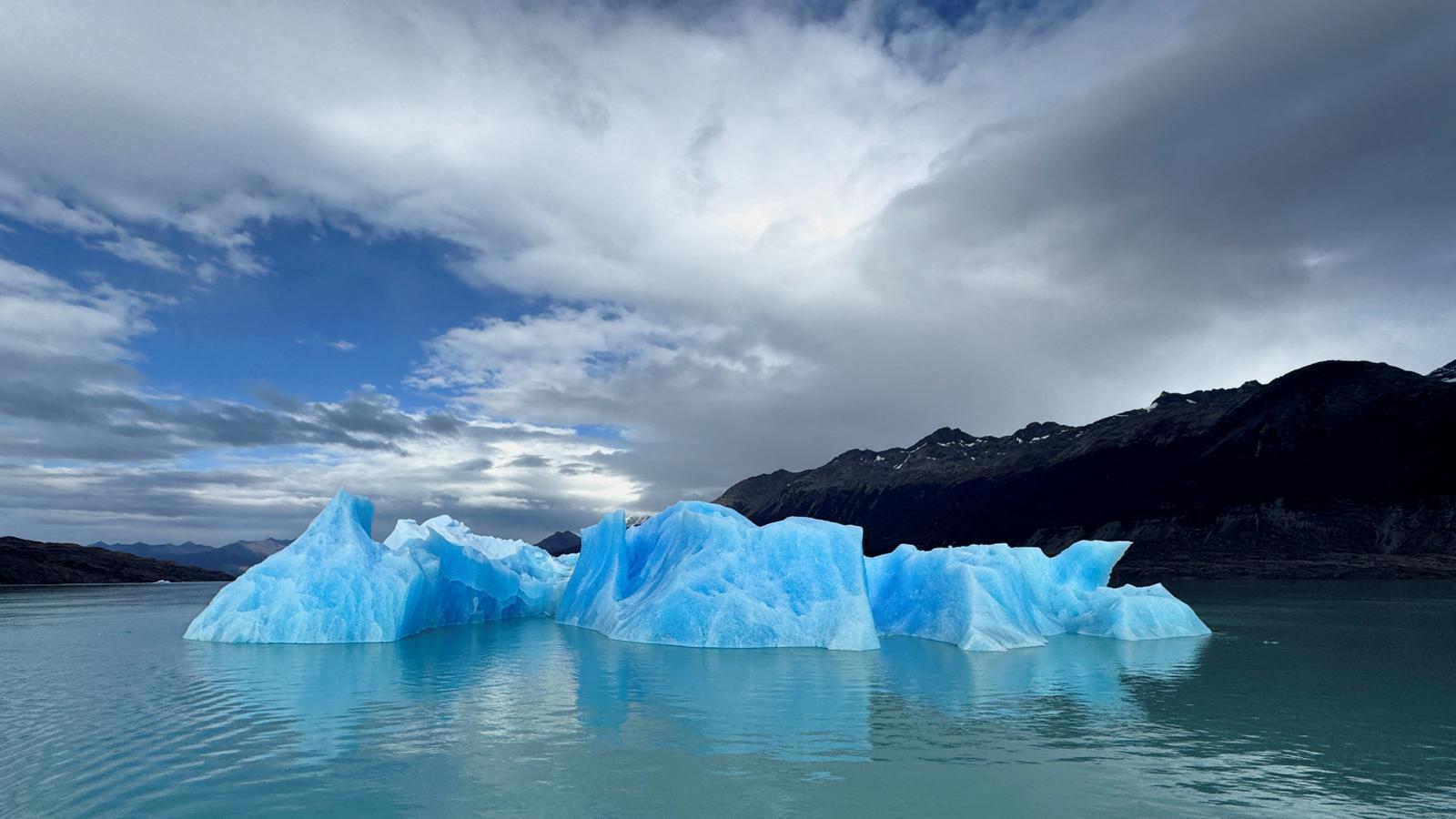
The core of the reform is decentralization: moving forward, provinces will have the authority to decide which ice bodies require protection and where mining activity is acceptable. This measure is backed by governors from Andean provinces such as San Juan, Mendoza, Catamarca, and Salta, where the largest copper, lithium, gold, and silver extraction projects are concentrated.
Opposition factions and environmental organizations have sharply criticized the reform, labeling it unconstitutional. During the session, Deputy Maximiliano Ferraro of the Civic Coalition denounced the bill, stating, "The regulated entities—the mining companies—wrote this law themselves."
Meanwhile, Enrique Viale, president of the Argentine Association of Environmental Lawyers, warned that the regulation is "tailor-made for large transnational mining companies" and puts the freshwater reserves that supply 70% of the Argentine population at risk. Simultaneously, thousands of protesters mobilized under slogans like "water is worth more than gold" to reject the impact of extractive activity on the Andean ecosystem.
The Argentine Institute of Nivology and Glaciology (IANIGLA) has pointed out that glaciers in northwestern Argentina have already shrunk by 17% over the last decade due to climate change. Its director, Pablo Villagra, criticized the reform for subordinating scientific criteria to the political interests of provincial authorities.
The government insists that the model to follow is that of Chile, a country with which Argentina shares 5,000 kilometers of Andean border. The ruling party aims to match the export capacity of its neighbor, which generated over $60 billion in revenue in 2025. According to Central Bank projections, easing environmental regulations could allow Argentina to triple its mining exports by 2030.