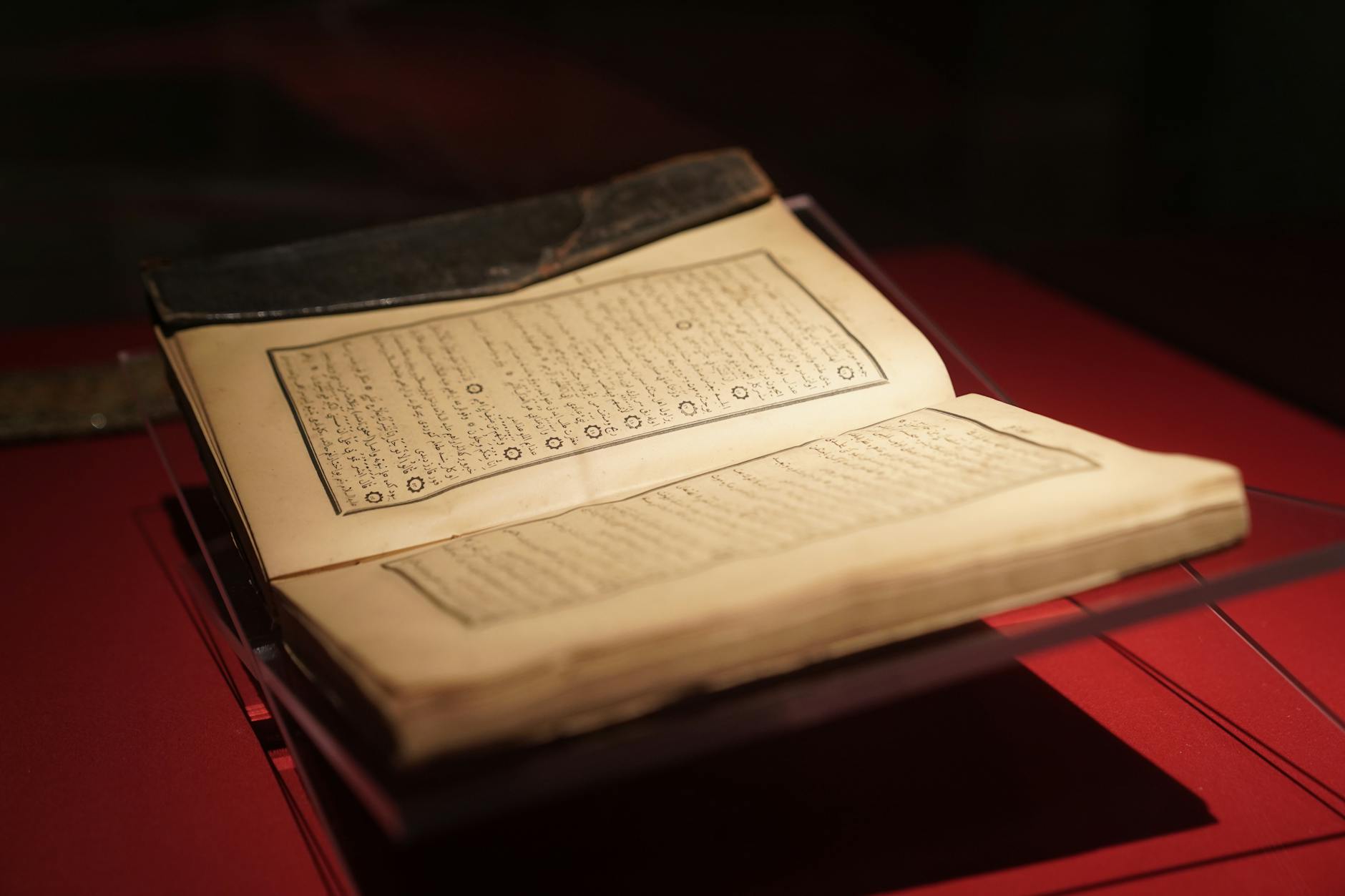
In the high-ceilinged, cool library of Chinguette, Mauritania, bookkeeper Muhammad Gholam el-Habot follows a meticulous routine to protect centuries of history. Wearing white gloves, el-Habot inspects thick, Arabic-printed manuscripts for damage before carefully placing them into white cardboard boxes.
El-Habot, 50, manages a collection of approximately 1,400 manuscripts. He assumed responsibility for the texts in 2002 after his father fell ill, viewing the preservation of the books as a familial duty.
“These books are very important to my family and me,” el-Habot said, describing his relationship with the collection as being “like that of a father and his son.” He stated that the books must be protected “until the end of time.”
However, the survival of these texts faces significant environmental and demographic threats. Andrew Bishop, a researcher at the University of Wyoming studying Saharan cultures, told Al Jazeera that extreme heat and unpredictable rainfall are making many manuscripts beyond repair.
Bishop noted that the local mud libraries were not designed to withstand sudden rainfall or summer temperatures that exceed 40 degrees Celsius. These weather patterns are part of a broader shift in the Adrar region, where the historic ksar of Chinguetti faces increasing risks from desertification and human-induced climate change.
Beyond environmental decay, the tradition of manuscript guardianship is threatened by economic migration. Many of Chinguetti's 4,500 residents have relocated to larger cities like Nouakchott in search of employment.
El-Habot expressed concern that his two sons will likely follow the path of their peers and reject the responsibility of the library. This migration pattern threatens the continuity of the specialized knowledge required to maintain the collection.
Physical changes to the landscape also pose a long-term risk. There are growing fears that the 500-square-kilometer area could eventually be buried by encroaching sand dunes.
While the original ksar is constructed of red mudbrick and dry stone, much of the local population has moved to modern cement buildings outside the old town walls. The increasing frequency of extreme weather events continues to threaten the structural integrity of the ancient libraries and the irreplaceable history they hold.