The Magallanes and Chilean Antarctica region has transitioned from a territory long overlooked by the Republic to a space of immense strategic and symbolic importance for the nation, according to a chronicle by Miguel Labert published by elmostrador.cl.
Defined by its privileged geographic location, this extreme territory now holds a central place in the national consciousness, driven by its economic prospects and world-class tourism appeal.
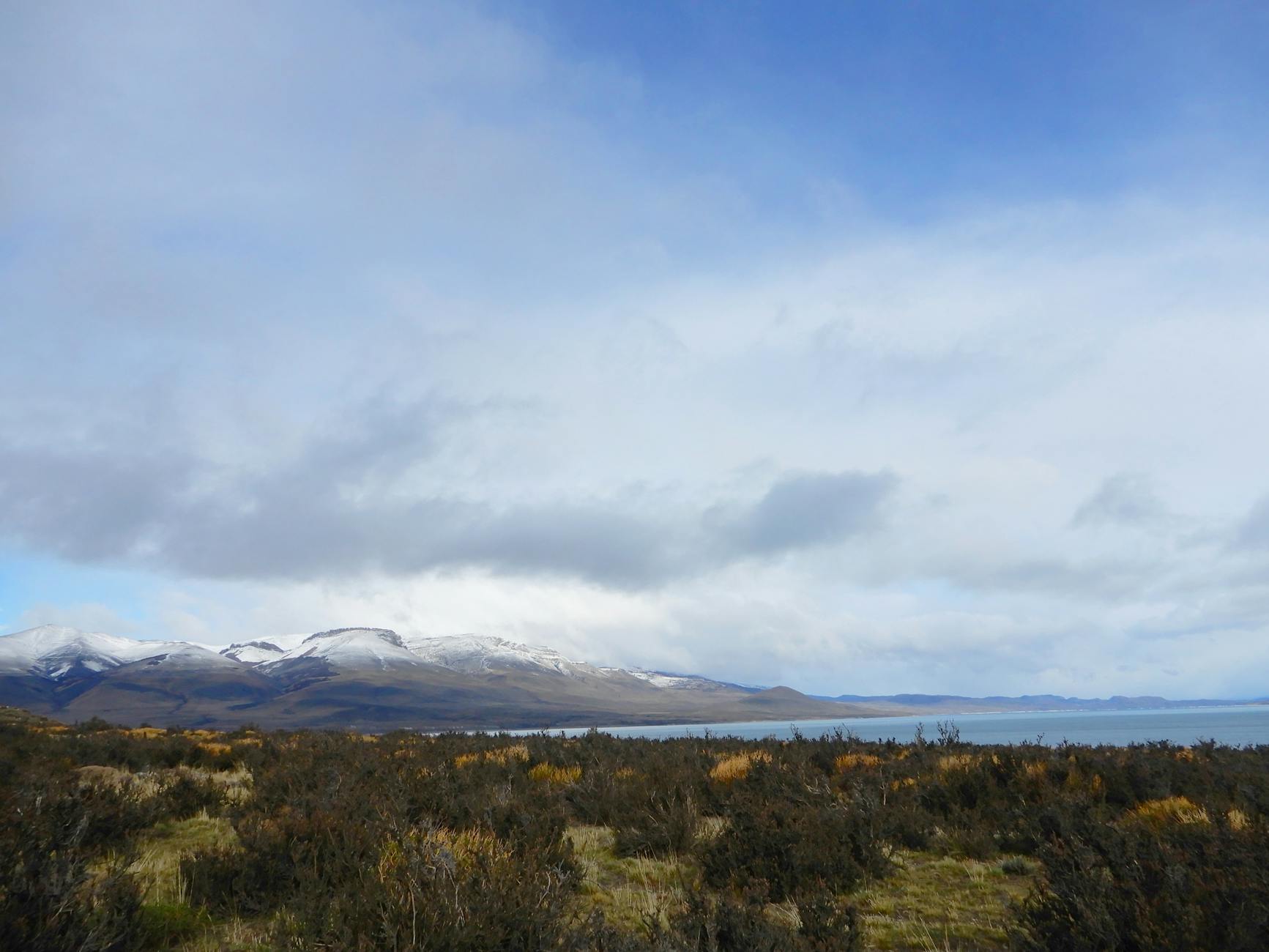
The southern landscape, described as a pristine and untouched wilderness, draws international climbers to Mount Fitzroy and establishes Antarctica as a destination of global significance.
A History of Sovereignty and Resilience
Human presence in the area began with indigenous peoples such as the Selk’nam and Yámana, who navigated the channels and islands, relying on resources like guanaco and king crab.
The arrival of Europeans in 1520, led by Ferdinand Magellan, ushered in an era of intense disputes over control of the navigable strait.
The process of establishing sovereignty was complex, marked by the concerns of figures like Bernardo O’Higgins, who feared that European powers might exploit the region to establish permanent settlements.
In 1843, Chile consolidated its hold on Patagonia by establishing a colony in the strait, a timely move to secure the territory.
The founding of Punta Arenas in 1849 spurred development, initially centered on cattle ranching to meet the demands of the English textile industry.
However, this economic boom came at a tragic cost to local indigenous communities, who faced marginalization and persecution—leaving an open wound in the nation's history, as detailed in Laborde’s text.
Regional development was further bolstered by the king crab industry and the unique architecture of the local estancias, which were built using native woods like lenga and coigüe to withstand the extreme climate.