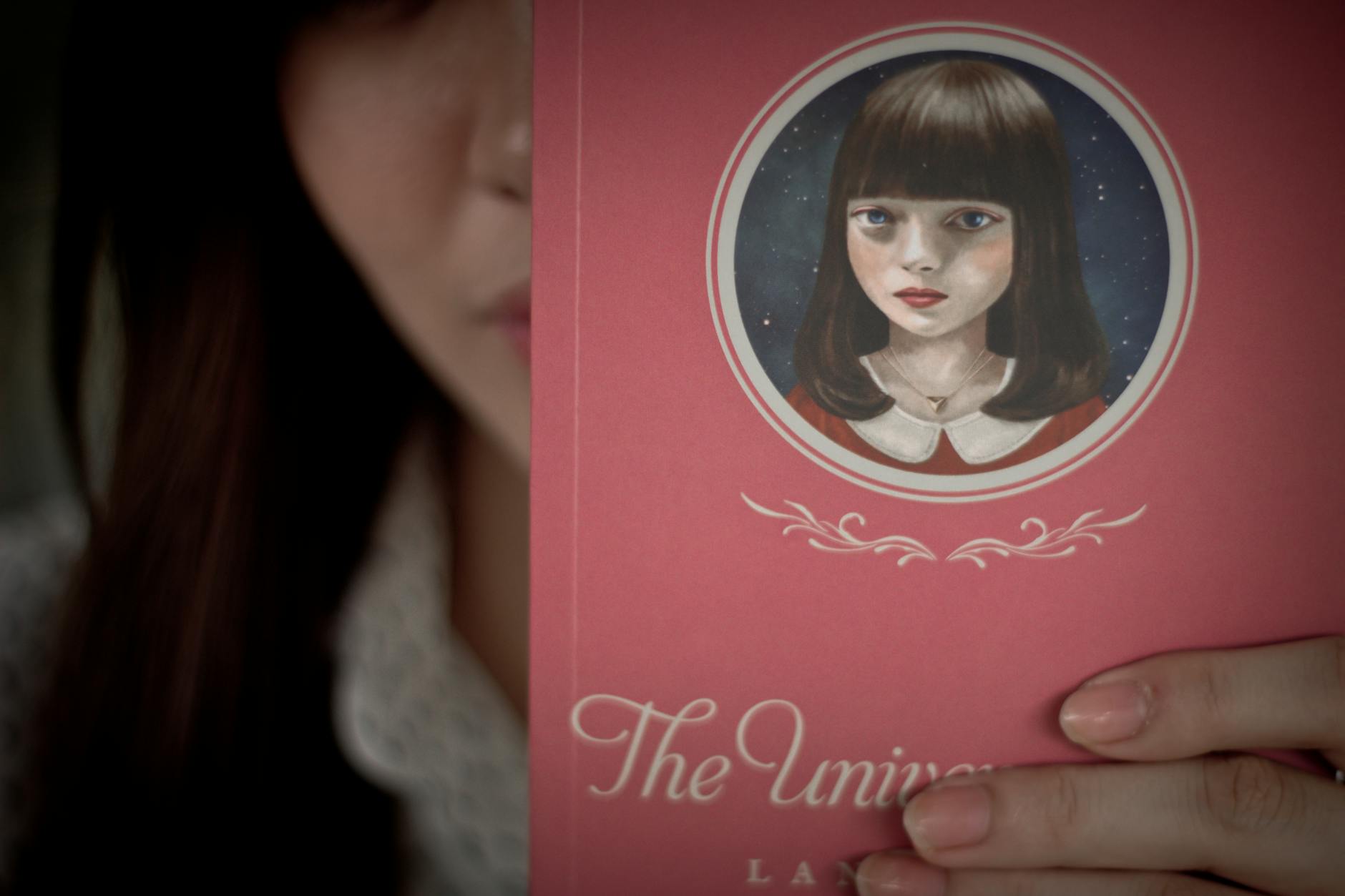
Chilean writer Francisco Ortega has released his new novel,Catrala, a work that seeks to reclaim the horror-filled dimension of the historical figure Catalina de los Ríos, famously known as La Quintrala. Published by Minotauro, the novel moves away from historical caricature to explore the folkloric roots of this 17th-century character.
The plot connects the colonial era with 1917, centering on an Argentine lawyer at the Los Andes estate to trigger a tale of mystery. According to latercera.com, the work utilizes a format of diaries and letters, emulating the epistolary style of Bram Stoker'sDracula.
Ortega explained that his intention was to construct a 19th-century narrative, reminiscent of a serialized novel. “I feel as though this novel exists in a parallel universe where Bram Stoker never wrote Dracula, but rather Catrala. And I wrote it as if I were Bram Stoker, playing his part,” the author told Culto.
A bridge between Chilean folklore and universal Gothicism
The novel integrates elements of Chilean oral tradition, such as the Tué-Tuende bird, with literary classics like Mary Shelley'sFrankensteinand Le Fanu'sCarmilla. Ortega maintains that the figure of La Quintrala already possessed horror-like traits long before the term "vampire" became popularized in the country.
“La Quintrala was a vampiric figure long before that term was used in Chile,” Ortega stated. The author noted that, prior to the chronicles of Benjamín Vicuña Mackenna in 1867, the identity of Catalina de los Ríos was an oral myth used to frighten children.
The writer specified that in popular tradition, the figure of 'Catrala' was a specter that haunted the young. “She was a sort of Llorona with hair as red as fire, who would take children away to suck their breath and their blood. In essence, she was a vampiric figure,” the author detailed.
The work does not only engage with European Gothicism but also recovers elements of Chilean pop culture. Ortega mentioned that the novel creates a mirror with television fiction, reclaiming the impact of the dramatic adaptations that have shaped the popular image of the myth in Chile.