Capcom has finally unveiled the full experience of Pragmata, a title that has transitioned from a mysterious teaser to a realized, experimental science fiction epic. The game departs from the developer's established action formulas to introduce a high-stakes lunar survival narrative.
Following years of silence and speculation, the gameplay reveals a project that avoids current industry trends in favor of a distinct, self-contained identity. According to reports from Xataka, the title represents Capcom's continued creative peak following the success of franchises like Resident Evil and Monster Hunter.
Lunar survival and real-time hacking
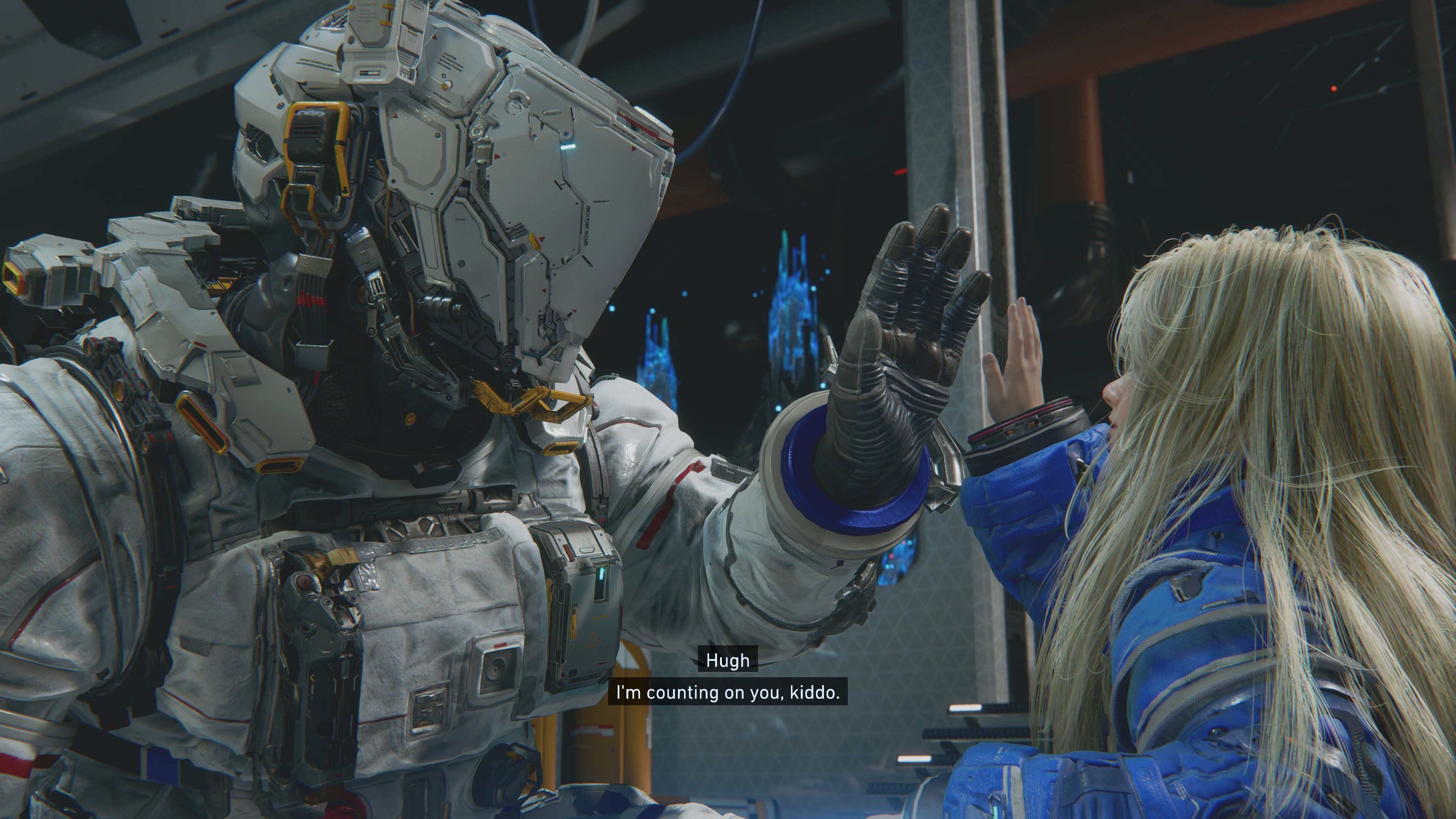
The narrative centers on a lunar station powered by advanced 3D-printing technology capable of materializing essential resources. This stability collapses when a hostile artificial intelligence begins sabotaging the station's systems, leaving astronaut Hugh isolated in a chaotic environment.
Players encounter Diana, an android whose relationship with Hugh forms the emotional and mechanical core of the game. While Hugh handles traditional combat duties, Diana provides a secondary layer of gameplay through a real-time hacking system.
This mechanic requires players to solve node-based puzzles mid-combat to weaken enemy defenses. The system forces players to balance movement and shooting with rapid-fire problem-solving, as there are no pauses or transitions between combat and hacking tasks.
As the gameplay progresses, the integration of tactical tools like decoys and long-range weaponry alongside Diana's hacking abilities creates a high-tension multitasking experience. The game's design relies on this synergy to maintain momentum during intense encounters.