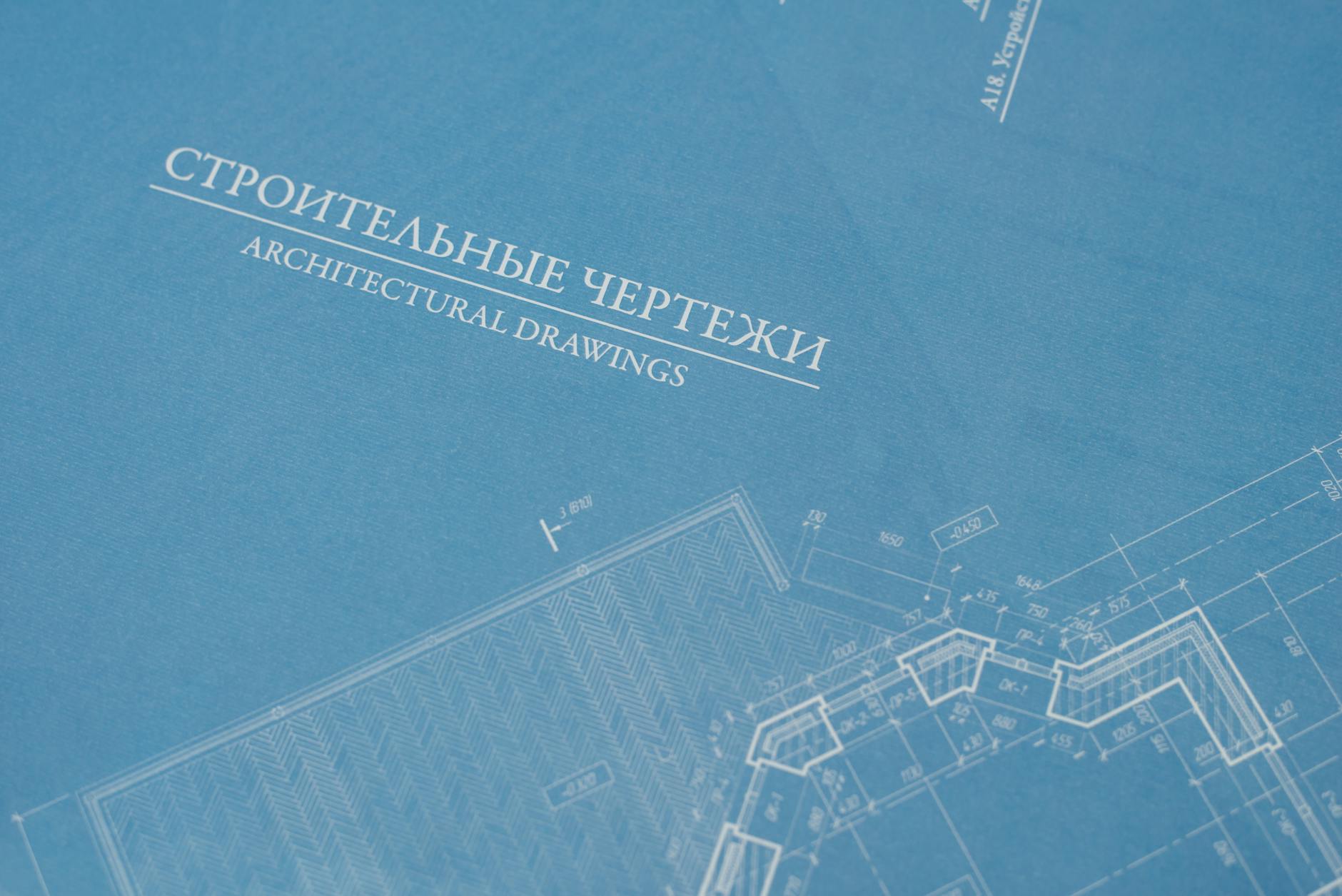
A research team from Universidad Central has discovered a trunk containing 130 original blueprints by architect Ricardo Larraín Bravo at the Basilica of the Sacramentines. The find occurred during a historical diagnostic project for this national monument in Santiago.
The documents, pencil-drawn and colored on linen, belong to the creator of iconic works such as Palacio Iñiguez. The discovery was made by the Center for Architectural, Urban, and Landscape Research (CEAUP) in partnership with the Sacramentinos Foundation.
“This is unprecedented for the history of the country's architectural heritage,” said historian Simón Castillo, a member of the research team.
While the materials were held by the Congregation of the Sacramentines, they had neither been cataloged nor made public. The team has already cataloged each blueprint with technical files including photographs, measurements, and historical background.
Heritage at Risk
The discovery provides insight into the construction evolution of the temple, which was partially inaugurated in 1931. However, the structure is currently in an advanced state of decay due to accumulated structural flaws and seismic activity.
“Each blueprint has been cataloged on an individual record. It is a fundamental resource for understanding the building's construction evolution,” noted architecture doctor Simón Castillo, alongside doctor Marco Valencia.
The research also identified blueprints in critical condition that require urgent conservation. The most recent documents date back to 1930, highlighting the age of the discovered material.
The project is currently utilizing drone technology and laser scanners to generate 3D models of the facade. The goal is to compare Larraín Bravo's original design with the building's current state to identify damage and structural changes.
Castillo noted that the documents reveal design alternatives that were never implemented, such as changes to altarpieces and side wings. In a later stage, the research aims to establish a rehabilitation plan to prevent the monument from collapsing.