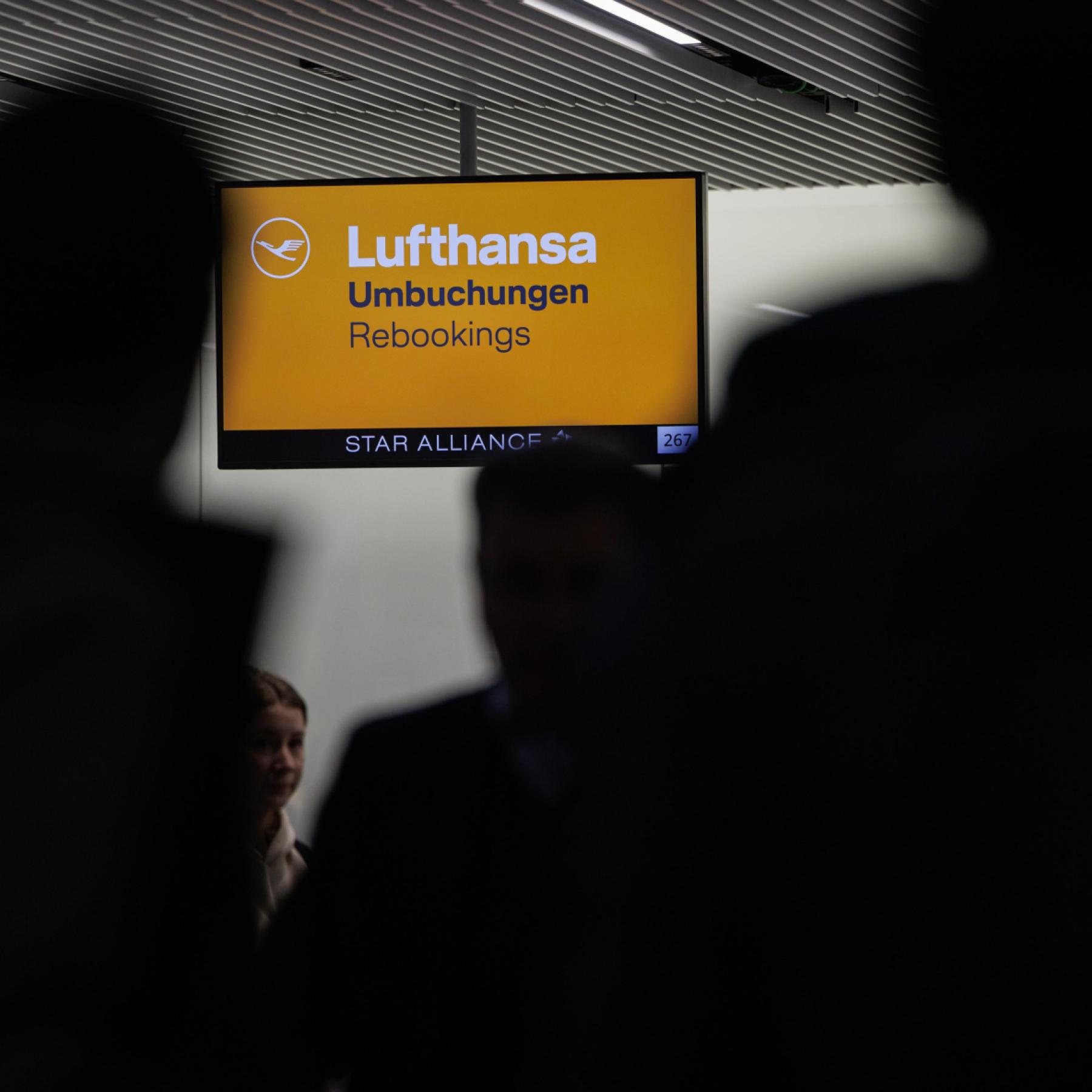
Lufthansa pilots began a 48-hour strike on Monday, forcing the cancellation of hundreds of flights and disrupting travel plans for thousands of passengers across Europe. The walkout, organized by the Vereinigung Cockpit union, represents the fourth wave of industrial action to hit the German carrier this year.
The strike action extends beyond the main Lufthansa brand to include its subsidiaries, Lufthansa Cargo and Lufthansa CityLine. This follows a separate one-day walkout by cabin crew last week that also resulted in hundreds of grounded flights.
Labor tensions and corporate warnings
The dispute centers on demands for higher pay and changes to company pension schemes. The union is also seeking improved remuneration packages for employees working at the regional subsidiary, CityLine.
Lufthansa leadership has rejected the union’s demands, labeling the strike a significant escalation. Michael Niggemann, a member of the airline's executive board, warned that the company would not alter its negotiating position.
“Each day of the strike weakens the airline,” Niggemann said. He argued that the carrier’s main operations are already struggling to remain competitive on many routes, leaving no room for further cost increases.
Niggemann emphasized that the outcome of these negotiations is critical for the long-term viability of the core airline brand. He maintained that the company cannot sustain additional financial burdens.
Despite the scale of the disruption, the airline continues to operate a portion of its schedule. Lufthansa reported that roughly half of its planned long-haul flights are expected to depart as scheduled. For short- and medium-haul routes, approximately one-third of flights remain operational.
Other carriers within the Lufthansa Group, such as SWISS and Brussels Airlines, report that the majority of their flights are continuing as planned. The company estimates that three out of every four flights operated by these subsidiaries will proceed without interruption.