The International Energy Agency (IEA) significantly slashed its global oil market projections this week, warning that Middle East conflict has triggered the largest supply disruption in history.
Global production plummeted by 10.1 million barrels per day (mb/d) in March, falling to 97 mb/d. The agency attributed this collapse to attacks on energy infrastructure and severe restrictions on vessel transit through the Strait of Hormuz.
In its latest Oil Market Report, the IEA projected that global demand will contract by 8/kb/d this year, a downward adjustment of 730 kb/d from its previous assessment. The agency expects the impact to intensify, forecasting a 1.5 mb/d drop in the second quarter of 2026, the most pronounced decline since the COVID-19 pandemic.
Price surges and logistical bottlenecks
Oil prices reacted violently to the supply shock. Brent crude recorded its largest monthly increase in history in March, climbing to approximately $130 per barrel. In the physical market, spot prices approached $150 per barrel, far exceeding futures contracts.
The Strait of Hormuz, a critical artery for global energy, saw shipments drop to just 3.8 mb/d, down from more than 20 mb/d before the crisis. While alternative routes have increased exports to 7.2 mb/d, the total loss of volume exceeds 13 mb/d.
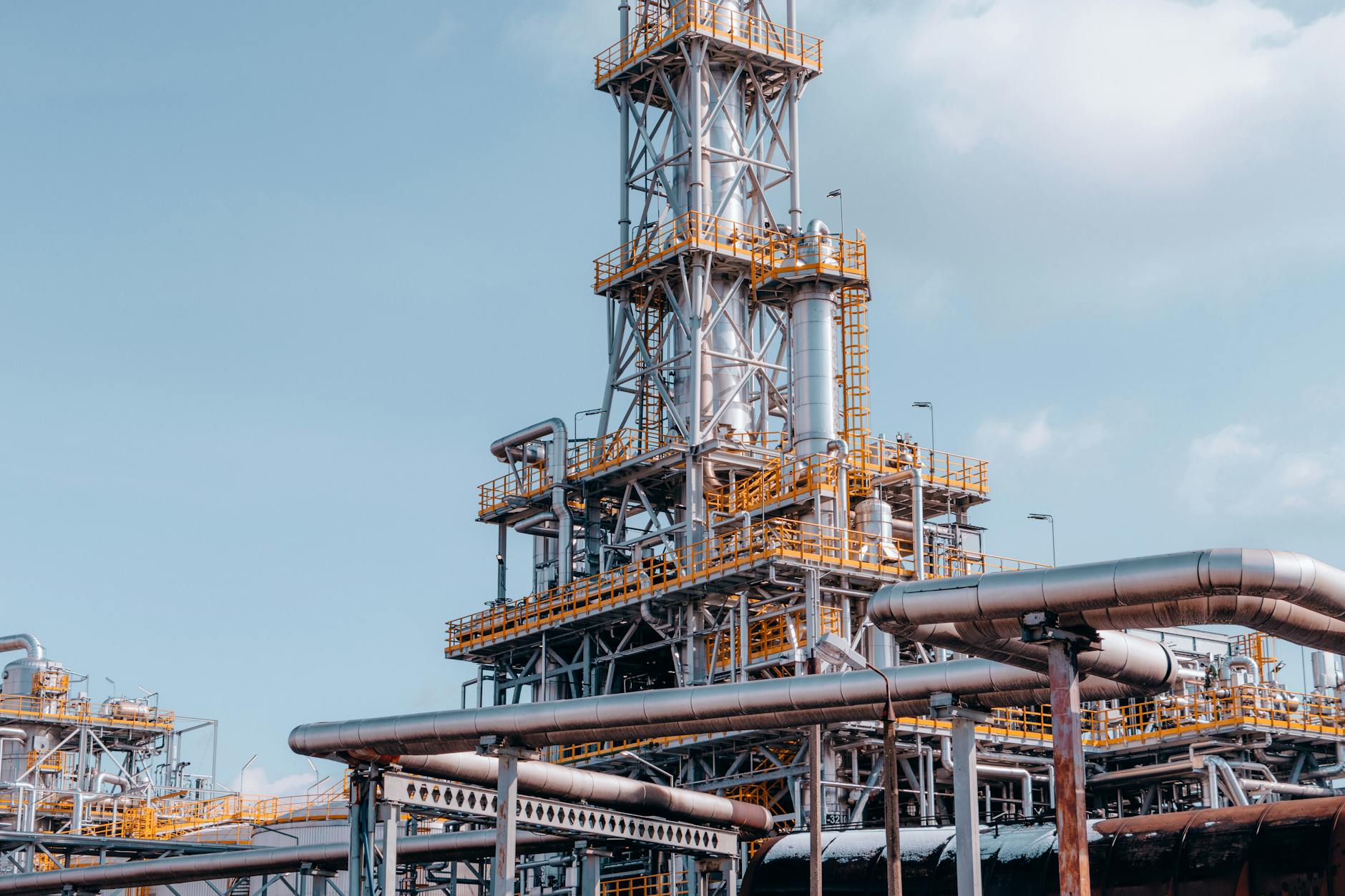
Refineries are also scaling back operations due to feedstock shortages. In April, processing plants in the Middle East and Asia cut activity by roughly 6 mb/d. The IEA projects a global average decline of 1 mb/d in refinery runs by 2026.
Global inventories also suffered a massive hit. In March, observed global reserves fell by 85 million barrels, driven by a 205 million barrel reduction outside the Persian Gulf.
High prices are now beginning to erode demand. The IEA noted that while consumers and refiners used inventories to mitigate the initial shock, demand is now contracting in the petrochemical, LPG, and aviation sectors.
The agency warned that while a partial normalization of Middle East flows is the base-case scenario for mid-year, a prolonged conflict could force global economies to prepare for even more significant energy disruptions.