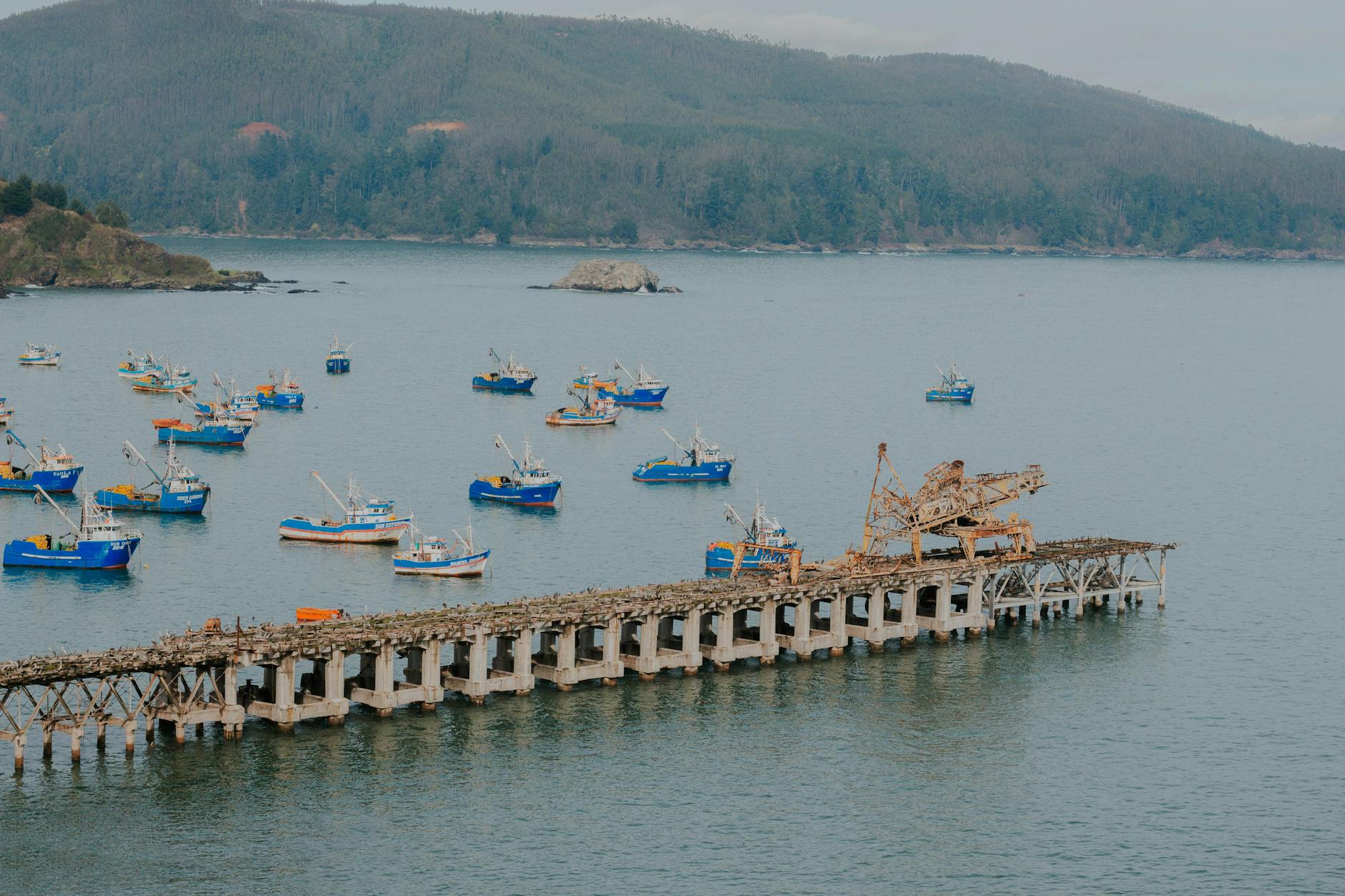
At least five fishing companies have launched legal proceedings against the Chilean state, seeking damages totaling approximately $600 million. The lawsuits follow a legislative amendment that redistributed fishing quotas between the industrial and artisanal sectors.
The companies allege that the new regulations constitute indirect expropriation. According to the plaintiffs, the reform affects licenses established under Law 20,657 of 2013, which guaranteed catch quotas valid until 2032.
Violation of property rights
The legal conflict arises from the enactment of a law that altered quota distribution without providing financial compensation to those affected. The companies argue that this measure violates their property rights over their quotas and creates inequality by imposing regulatory burdens without financial backing.
During the legislative process, President Gabriel Boric defended the measure, arguing that the law sought the redistribution of wealth. "Those of us in politics are employees of the people. Not of large corporations or the de facto powers," the president stated at the time the regulation was published.
However, the industry maintains that changing the rules of the game without compensation undermines legal certainty within the sector. The lawsuits seek to hold the state liable for the consequences of how these regulations were implemented.
The controversy comes amid profound legislative changes, following the decision by the government of President Kast to withdraw a general fishing bill to prioritize the reform of the current statute. The fishing sector warns that the lack of regulatory certainty makes long-term investment planning in the industry difficult.