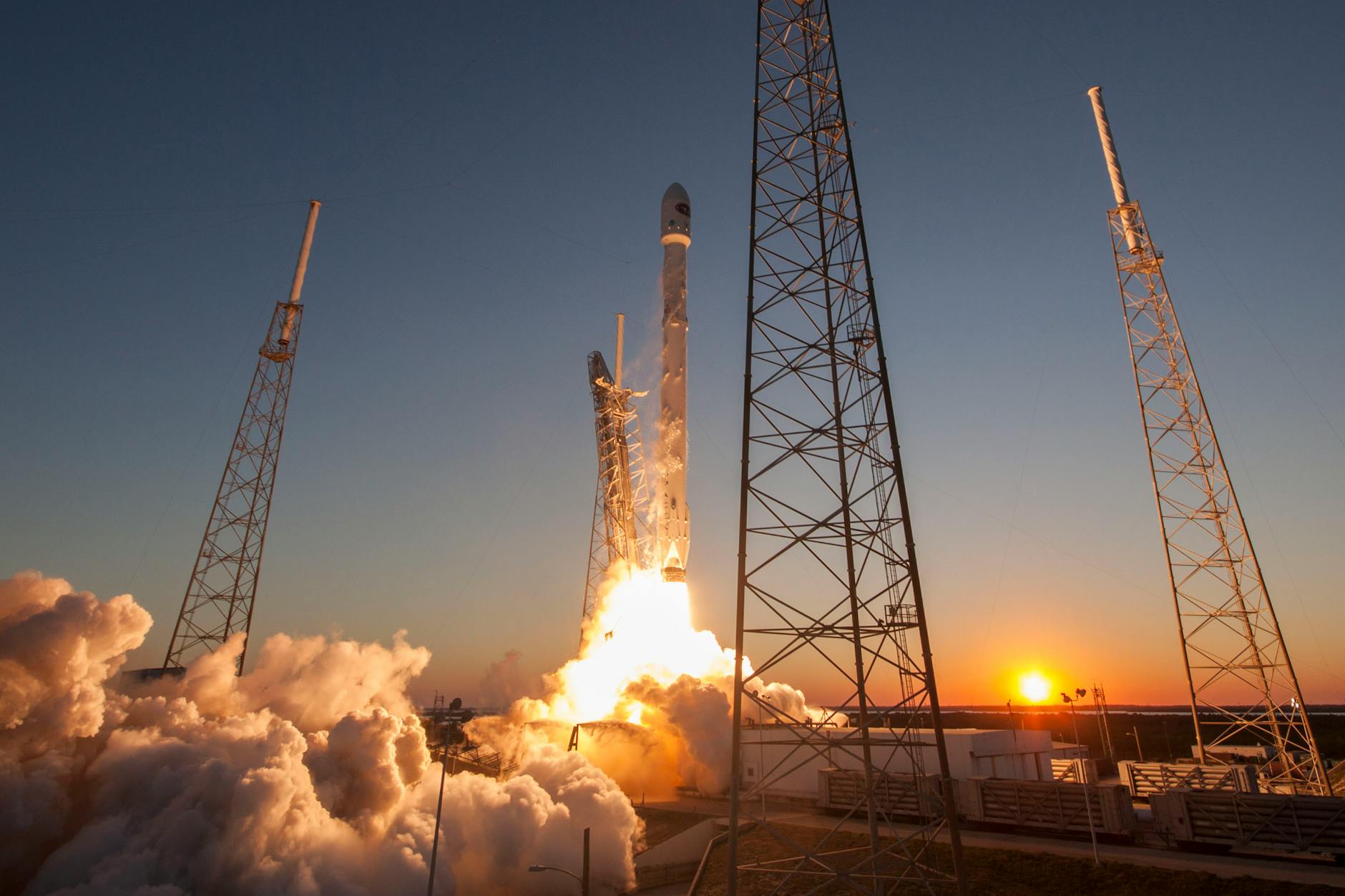
The US Space Force has transferred authority for a critical GPS satellite launch from United Launch Alliance to SpaceX. This decision marks the fourth instance in over a year where military officials moved a navigation mission away from the Boeing and Lockheed Martin joint venture. Space Systems Command announced the switch on Friday, citing reliability concerns regarding ULA’s Vulcan rocket and the urgent need for immediate operational coverage to maintain global positioning accuracy.
Officials planned for ULA to launch the final satellite for the GPS Block III program this month before the change occurred. Instead, the mission now targets a Falcon 9 rocket from ULA’s chief competitor in the government launch sector. This move continues a trend seen throughout 2024 and early 2025 where three prior GPS satellites shifted to SpaceX due to scheduling conflicts and persistent technical delays.
The Space Force initially intended to assign these launches to ULA when the Vulcan rocket neared its first test flight. That debut originally faced delays from 2020 until early 2024, and the path to operational service has remained difficult for the new vehicle. Military contracts assigned for the final four GPS satellites date back several years before the technical troubles emerged and disrupted the original schedule significantly.
Technical failures on the Vulcan rocket prompted the current suspension of its flight operations and grounded the asset for extensive safety inspections. The vehicle suffered problems with its solid rocket boosters on its second and fourth flights in October 2024 and last month. An investigation into the first incident identified a manufacturing defect responsible for the loss of the exhaust nozzle shortly after liftoff.
Officials have not yet released the results of the probe into the second booster failure, though it appeared similar to the first incident. Each flight managed to recover from the anomaly and successfully complete the climb into orbit despite the structural issues. The recurrence of the same type of failure twice in four flights gave US military officials pause regarding safety and mission assurance for critical payloads.
A military officer in charge of the Space Force’s space launch program stated the investigation will take many months to complete. The Space Force will not resume launching payloads on the Vulcan rocket until the investigation is finished to ensure safety. This grounding impacts future missions where ULA holds the primary contract for national security payloads in the coming years.
In exchange for these cancellations, military officials moved three future launches from SpaceX to ULA, including the GPS III SV10 satellite. ULA will receive rights to launch a classified US military mission in 2028 as part of the compensation agreement for the disruption. However, the GPS III SV10 launch returned to SpaceX due to the ongoing Vulcan issues and the inability to meet the required launch window.
This situation highlights growing reliance on SpaceX for critical national security infrastructure and the fragility of the current launch portfolio. ULA’s inability to deliver on schedule contrasts with the operational consistency of the Falcon 9 fleet used for previous missions. The outcome suggests a significant shift in the balance of power within the government launch market toward the private sector leader.
Looking ahead, the resolution of the technical investigation will determine the timeline for Vulcan’s return to service and future contract awards. Stakeholders await the final report to understand the full scope of the manufacturing defect affecting the solid rocket motors. The Space Force will likely continue utilizing SpaceX for time-sensitive GPS replenishment efforts in the interim to maintain network integrity.