Escalating Standoff Between the Pentagon and AI Giant
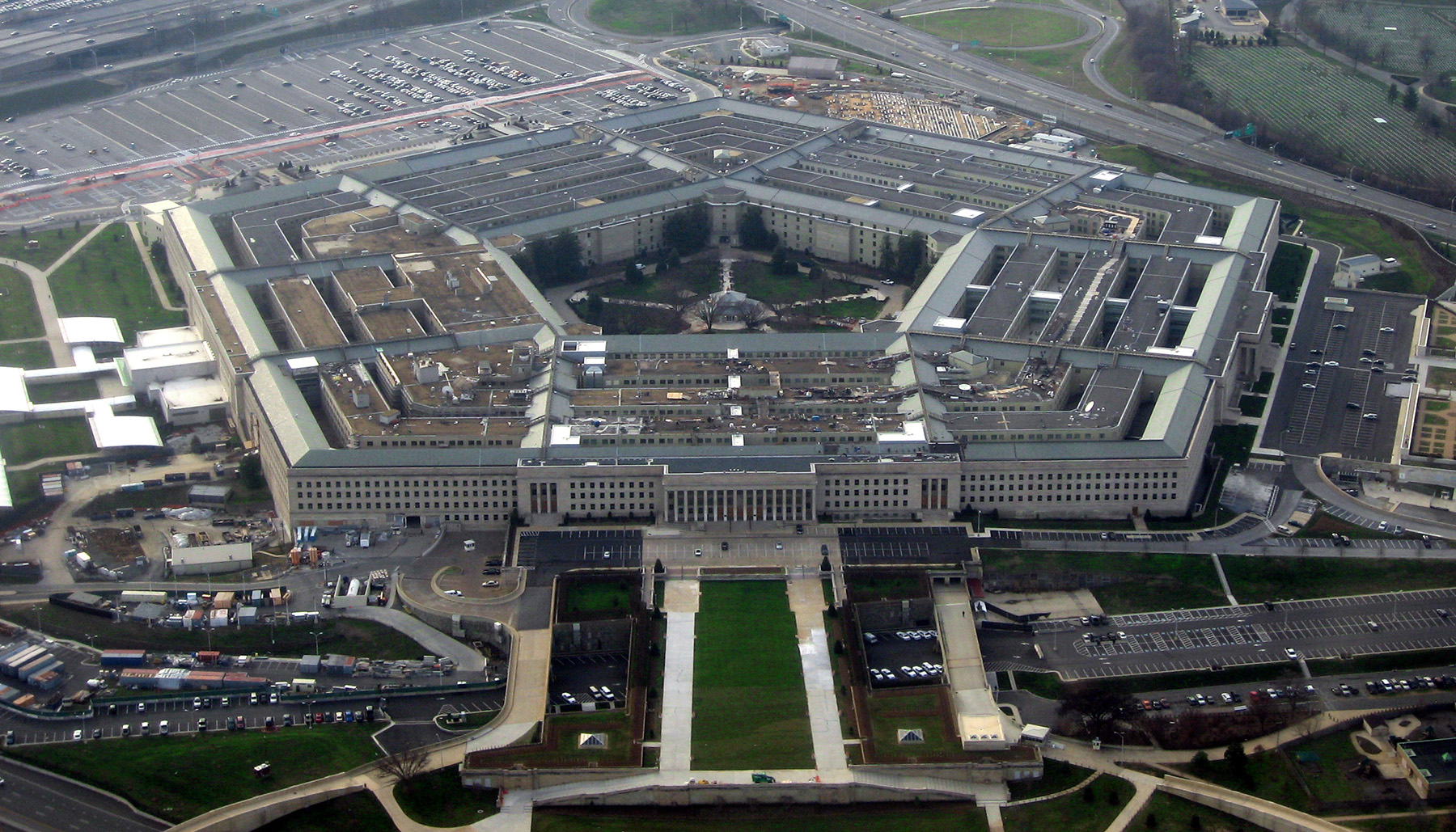
Recently, the U.S. Department of Defense (DOD) issued a stern response to a lawsuit filed by AI startup Anthropic. The DOD explicitly stated that the technical usage 'red lines' established by Anthropic make the company an 'unacceptable risk in the national security domain.' This statement marks a significant intensification in the legal dispute between the Pentagon and the AI giant.
Previously, Anthropic filed a lawsuit dissatisfied with the DOD labeling it a 'supply chain risk' and requested that the court temporarily stay the enforcement of this label. In response, the DOD detailed the core logic of its concerns in a 40-page court filing submitted to a federal court in California.
Military Concerns Behind the 'Red Lines'
According to the court documents, the Pentagon's primary concern is that if Anthropic determines that its internal 'red lines' have been crossed, the company could unilaterally 'attempt to disable its technology' or 'preemptively alter the model's behavior' during 'combat operations.'
This uncertainty is viewed as a fatal flaw in the military sector. The DOD argues that military operations require high levels of reliability and controllability. If Anthropic, as a private enterprise, retains the power to 'cut off service' at a critical moment, it would directly threaten the U.S. military's operational capabilities and command decision-making.
Deep-Seated Conflicts in Contractual Disputes
The roots of this conflict can be traced back to last summer, when Anthropic signed a $200 million contract with the Pentagon aimed at deploying its AI technology in classified systems. However, serious disagreements arose during subsequent negotiations over contract terms.
Reportedly, Anthropic made it clear that its AI systems should not be used for mass surveillance of U.S. citizens, and that the technology is not yet mature enough to be safely used for lethal weapon targeting or firing decisions. While Anthropic aims to uphold its AI ethics and safety commitments through these 'red lines,' the Pentagon views these restrictions as contrary to its requirements for military technological autonomy and 24/7 availability.
The Clash Between Tech Ethics and National Defense
This incident has sparked widespread discussion in the tech industry regarding 'AI sovereignty.' On one hand, AI startups hope to avoid potential moral risks by setting strict usage guidelines; on the other hand, defense agencies demand that suppliers ensure their technology can operate stably under any extreme combat conditions, free from interference by commercial will or moral codes.
Currently, the lawsuit is still pending. The outcome of this case will not only determine whether Anthropic can continue to participate in defense projects but may also set new legal precedents for future collaborations between tech companies and government agencies in AI military applications. For the U.S. government, which is at the forefront of the AI technology race, finding a balance between ensuring national security and adopting cutting-edge AI innovation has become a major, urgent issue.