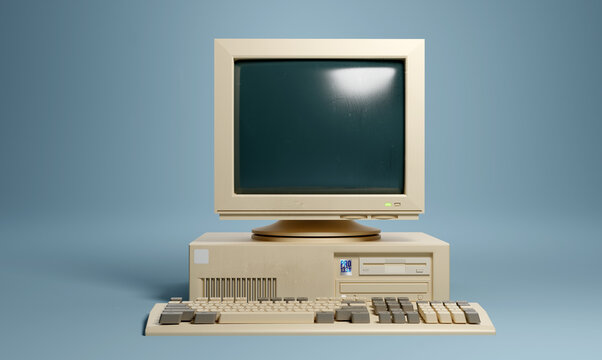
For many who grew up with personal computers in the 1990s, the 'Turbo' button on the front of a desktop tower remains a nostalgic fixture. While the name implied a boost in processing power, the reality was exactly the opposite.
According to reports from Xataka, activating the Turbo mode actually reduced the system’s performance. By modifying the processor’s clock frequency or disabling the CPU cache, the machine would intentionally operate more slowly.
The hardware feature existed to address a fundamental flaw in early software design. During the 1980s and 1990s, many programs and video games were hard-coded to run at the specific clock speed of the Intel 8086 processor, which operated at 4.77 MHz.
Solving the speed mismatch
As hardware advanced and processors became faster, these legacy programs began to malfunction. Games would run at jarring, unplayable speeds because the software lacked the ability to scale its performance to match the hardware’s capabilities.
Manufacturers introduced the Turbo button to force the computer to downclock, allowing older software to run at the intended speed. Many systems even featured LED displays on the chassis that indicated the CPU frequency or showed 'HI' and 'LO' modes to signal whether the feature was active.
Industry experts note that the branding of the button was a calculated marketing decision. Labeling the button 'Slow' would have been less appealing to consumers, so companies chose 'Turbo' to suggest an upgrade, even though the feature’s primary technical purpose was to throttle the system.
The button eventually became obsolete as computing technology matured. With the introduction of the Pentium processor family, developers began implementing internal software solutions that decoupled program performance from raw CPU speed.
Simultaneously, operating systems like Windows 95 introduced improved mechanisms for managing software execution. These shifts removed the reliance on manual clock-speed manipulation, and the Turbo button slowly vanished from commercial computer cases.