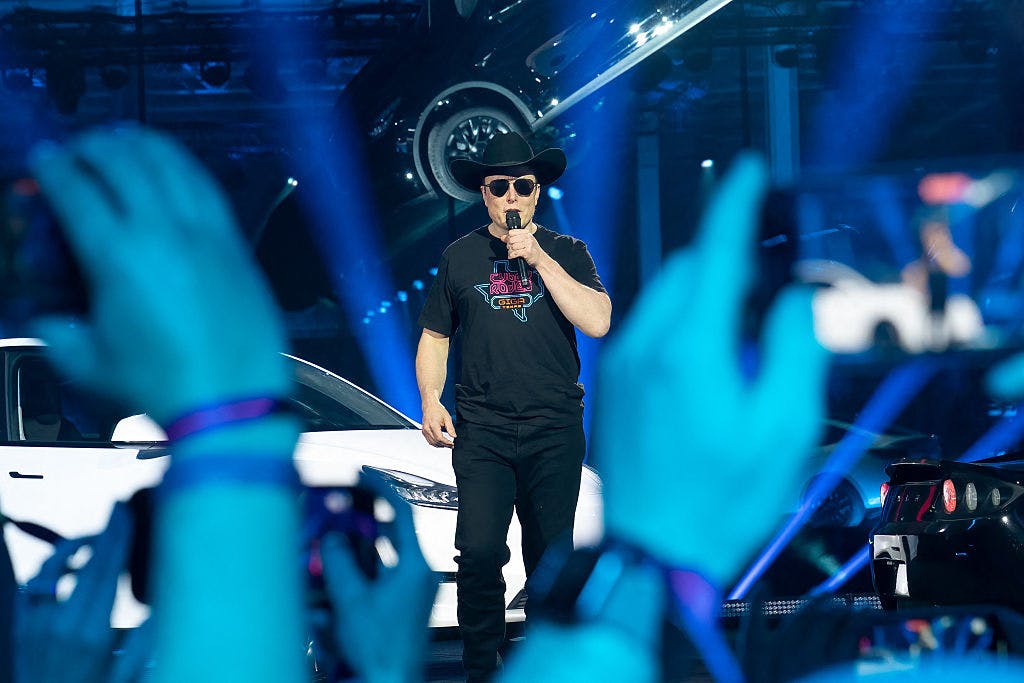
Elon Musk announced Tesla’s new semiconductor fabrication initiative, known as Terafab, will officially commence operations within a single week. The Tesla CEO shared the specific timeline via social media on Saturday, stating the project launches in exactly seven days. This strategic move aims to address critical supply bottlenecks that threaten to stall the company’s aggressive autonomous driving ambitions. This announcement signals a major pivot in Tesla's operational strategy for the current fiscal year.
The facility plans to manufacture a staggering volume of between 100 billion and 200 billion AI chips annually. This massive output target reflects the extreme scale required to power the company’s rapidly expanding fleet of autonomous vehicles and humanoid robots. Musk emphasized that current industry capacity cannot meet the projected demand for future hardware needs across all sectors.
During the recent earnings call, Musk noted that existing supplier capabilities fall consistently short of Tesla’s long-term requirements. He estimated that external chip supply would become a severe limiting factor for growth within three to four years. Consequently, the company decided it must control the manufacturing process to ensure uninterrupted production for all products. He emphasized that relying on third parties creates an unacceptable risk for the company's long-term roadmap.
Financial disclosures suggest the Terafab project could cost approximately $20 billion to build and initialize operations. This expense adds directly to the company’s already planned $20 billion capital expenditure forecast for the year 2026. The CFO confirmed the budget impact, signaling a significant shift in financial allocation toward heavy hardware production. This strategic investment underscores the company's commitment to overcoming hardware constraints independently.
Musk indicated the factory would handle logic, memory, and packaging domestically without specifying a precise site yet. Industry analysis suggests a location near Tesla’s headquarters in Austin is the most probable choice for the new plant. The region already hosts a significant portion of the company’s current engineering and administrative workforce.
Currently, Tesla designs several custom chips but relies on external foundries like Samsung and TSMC for actual production. This new project marks a major transition from design outsourcing to full-stack vertical integration within the company. Such a shift places the automaker in direct competition with established semiconductor manufacturers globally.
The announcement follows detailed discussions Musk raised during the company’s shareholder meeting last year. Investors have watched closely as the autonomous vehicle sector faces increasing pressure to scale manufacturing significantly. Securing a dedicated supply chain remains essential for achieving full self-driving capabilities at true scale.
Observers will track the implementation phase to see if production targets are met within the stated timeline. Success could redefine the automotive industry’s relationship with semiconductor supply chains moving forward. Future updates will likely clarify the specific location and initial product focus of the new facility. Market reactions will determine the immediate impact on stock valuation and investor confidence levels.