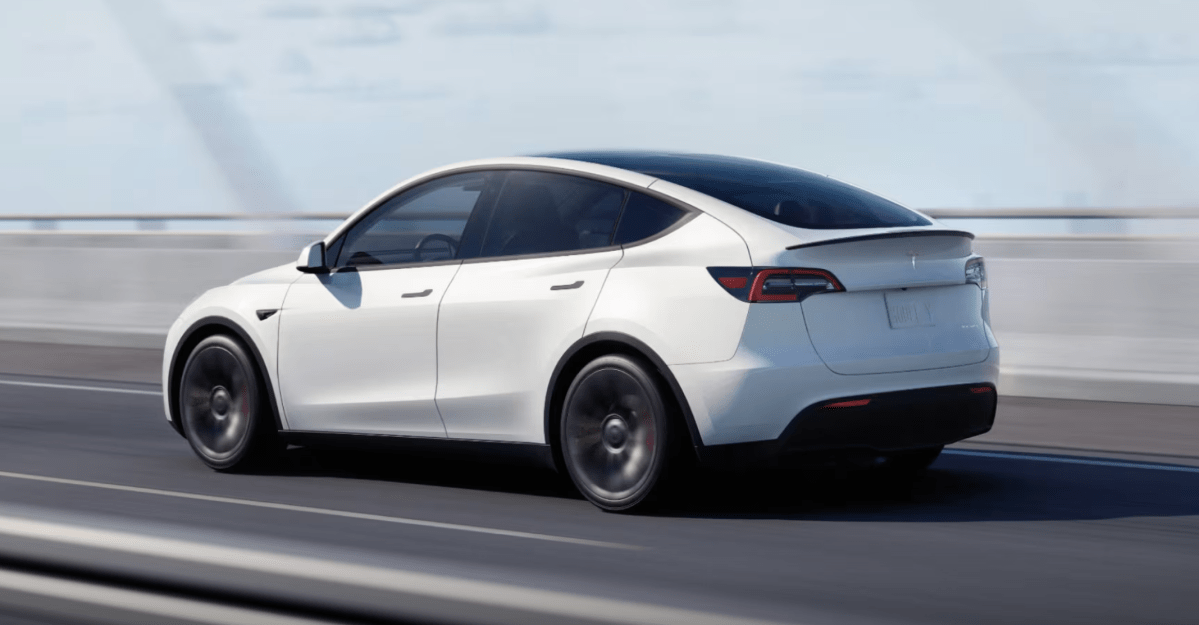
The National Highway Traffic Safety Administration has launched an expanded investigation into Tesla’s Full Self-Driving system regarding safety during poor road visibility conditions. This inquiry marks the second and final phase before a potential recall announcement affects millions of vehicles across the United States. Regulators are examining whether the software adequately warns drivers when camera performance degrades due to weather or glare. Federal officials suspect the current system fails to alert users in time to prevent accidents in hazardous environments.
The Office of Defects Investigation is conducting a detailed engineering analysis to verify system performance against advertised capabilities. Previous safety incidents prompted this deeper look into how the vehicle handles obscured road conditions compared to clear ones. Officials state the probe investigates if the degradation detection system functions as intended during critical moments. This step represents the most rigorous stage of the inquiry process before enforcement action occurs.
A March 18 filing submitted to the public indicates the system fails to detect and warn the driver appropriately under degraded visibility conditions. The report highlights that the system did not alert drivers until immediately before crash occurrences in several reviewed incidents. Glare and airborne obscurants remain significant challenges for the current iteration of the technology. These findings suggest a gap between the software’s promise and its real-world operational limits.
Tesla began developing an update for the degradation detection system in 2024 following a fatal incident in the previous year. Despite this effort, the NHTSA does not know which specific vehicles have received the updated software so far. Reports suggest this patch may have prevented some of the safety incidents currently under review by federal officials. The agency notes uncertainty regarding the distribution of the fix across the existing fleet of cars.
This investigation follows a similar probe in 2024 over crashes that happened during poor visibility while drivers were using Tesla’s Full Self-Driving system. The last time an NHTSA probe developed into an engineering analysis, it resulted in two waves of recalls. Those actions impacted nearly every vehicle Tesla had ever sold in the United States up to that point in time. The current review aims to avoid similar broad disruptions if possible while ensuring safety.
Tesla CEO Elon Musk has made bold promises about fully unsupervised Full Self-Driving in vehicles across the fleet. A potential recall related to safety software could face setbacks for these future goals and corporate reputation. Investors and regulators will watch closely to see if the automaker can resolve these defects without major disruption. Musk has repeatedly stated that unsupervised autonomy is the ultimate end goal for the company.
The outcome of this engineering analysis will determine the next steps for the agency and the manufacturer. If the agency determines a defect exists, Tesla must coordinate with regulators to fix the issue across the fleet. This process often involves over-the-air updates or physical recalls depending on the severity of the flaw. Legal and operational teams will prepare for compliance requirements immediately upon the final report.
Industry observers note that increasing scrutiny on autonomous features reflects broader concerns about safety standards. The regulatory environment for self-driving technology remains complex as companies push for faster deployment. Future announcements from the NHTSA will likely shape how Tesla markets its advanced driver assistance features globally. Stakeholders expect a detailed resolution within the coming months to address safety data.
The initial details of this expanded probe were previously reported by Reuters before the latest filings surfaced. The Verge has since tracked the regulatory documents to confirm the engineering analysis phase is now active. These publications provide the latest updates on the federal review process for consumer automotive technology. Journalistic coverage helps inform the public about the transparency of the safety investigation.