Tesla is moving to replace the mechanical connection between steering wheels and tires with a digital, variable-ratio system, according to recent patent filings reported by FayerWayer. The technology aims to solve the inherent limitations of fixed-ratio steering, where the driver must manually compensate for different driving conditions.
Under the proposed system, the vehicle’s steering sensitivity adjusts in milliseconds based on speed. At low speeds, such as when parking, minimal wheel movement translates to a maximum turn of the tires. At high speeds, the system tightens to prevent erratic maneuvers, increasing precision on highways.
Rethinking vehicle movement
This steer-by-wire approach removes the physical steel column currently used in most vehicles. Instead, the car utilizes digital signals to control the wheels. To maintain the tactile feedback drivers expect, Tesla’s design incorporates digital haptic motors. These provide sensory input to the driver, simulating the feeling of road grip through electrical impulses.
Safety remains a core component of the patent. The design includes a triple-redundancy system featuring three independent motors. If one unit fails, the remaining two maintain steering control, ensuring the driver retains the ability to maneuver the vehicle.
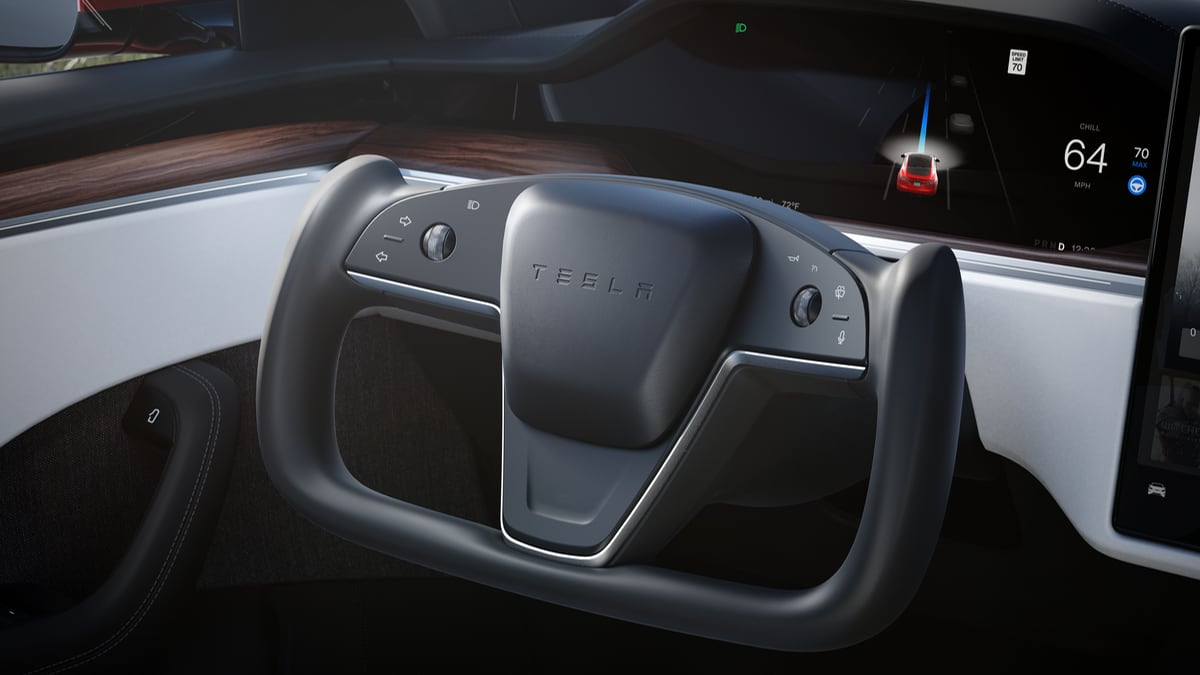
The shift to a digital system also addresses the ergonomic constraints of the controversial 'Yoke' steering wheel. Because the system eliminates the need for multiple full rotations of the wheel, engineers are no longer tied to the traditional circular design.
By moving away from heavy mechanical components, the system also reduces the overall weight and complexity of the vehicle’s steering assembly. Tesla characterizes this transition as a move toward surgical precision in driving, effectively turning a basic mechanical action into a software-driven experience.