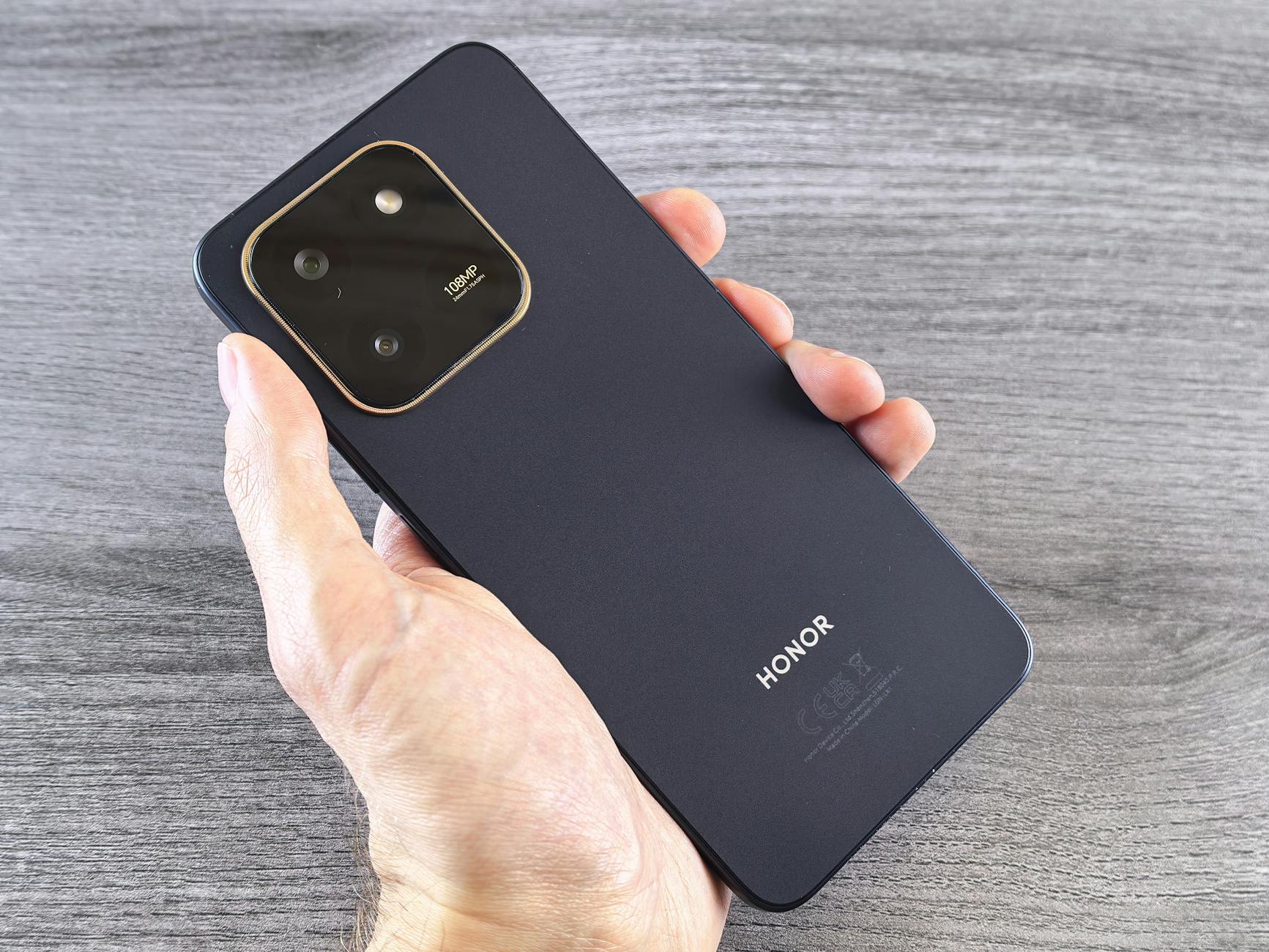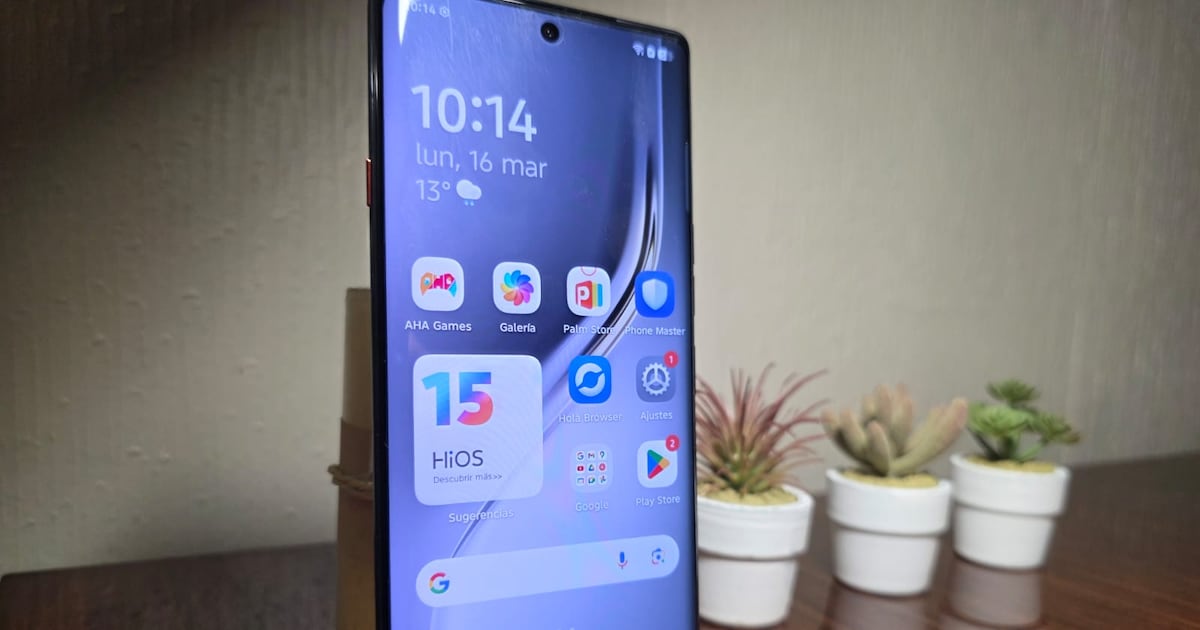
Tecno Mobile has officially released the Camon 40 Pro 5G, signaling an aggressive expansion into the Latin American smartphone sector. Priced under 400 dollars, the device integrates artificial intelligence features typically reserved for premium flagships. According to a review published by FayerWayer, the phone targets consumers in Chile and neighboring economies seeking high specifications without prohibitive costs.
The device features a proprietary assistant named Ella, which operates directly within the HiOS 14 operating system. Unlike standard voice commands, Ella can generate images and summarize documents using integrated large language models. FayerWayer reported that this functionality allows users to edit photos or translate conversations in real-time without third-party applications.
Photography capabilities center on a 108-megapixel sensor equipped with optical image stabilization. Tecno utilizes a technology called Universal Tone to map skin colors, addressing a common criticism regarding artificial whitening in Asian-brand devices. This specific focus aligns with demographic diversity found throughout Chile and other regional markets where skin tone representation is a priority for photographers.
Under the hood, the smartphone utilizes a MediaTek Dimensity 8200 Ultimate processor optimized for deep learning tasks. Testing indicates the chip manages AI workloads without significant battery drain or overheating during extended use. The unit also supports 70-watt fast charging, capable of replenishing half a battery capacity in approximately 20 minutes.
This launch represents a strategic shift for Chinese manufacturers competing against established rivals like Samsung and Xiaomi. In Chile, where the average smartphone price remains high due to import taxes and VAT, the Camon 40 Pro offers a value proposition under 300,000 Chilean pesos. Analysts suggest this pricing strategy could pressure local retailers to adjust margins on competing mid-range devices within the domestic market.
Despite the hardware advantages, the software experience includes pre-installed applications that some users may find unnecessary. FayerWayer noted that HiOS 14 contains bloatware, which requires manual removal to optimize the user interface. This remains a minor drawback compared to the hardware specifications offered at this price point for budget-conscious buyers. Some local technicians in Santiago report that these apps can be disabled without affecting core system performance.
The introduction of advanced AI tools in sub-flagship phones signals a broader trend toward democratizing technology in developing economies. If adoption rates increase, local service providers may need to adapt data plans to support higher usage of AI features. This development could accelerate digital inclusion among younger demographics in the region facing high unemployment rates. Furthermore, it challenges the dominance of American and Korean tech giants in the global south.
Another notable feature is Social Turbo, which allows real-time background changes during video calls on WhatsApp. This functionality caters to the high volume of remote work and social interaction prevalent in urban centers like Santiago. Such tools provide a competitive edge for freelancers and students who rely on mobile devices for professional communication.
Tecno continues to expand its footprint in South America by prioritizing camera quality and charging speed over brand recognition. Industry observers will monitor whether the company can maintain this momentum against competitors with stronger local partnerships. The success of this model may dictate future investment strategies for the Chinese tech sector in the region regarding trade relations. Regulatory scrutiny regarding data privacy and local processing could also influence future releases in the area.