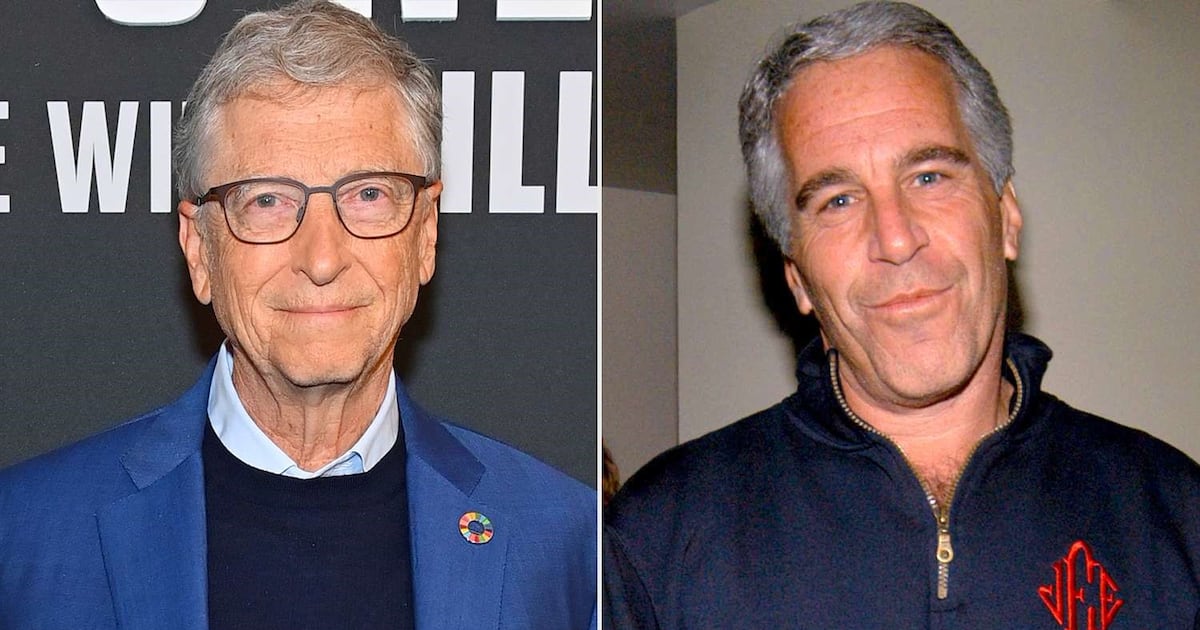
Prominent technology leaders are severing ties with Bill Gates following renewed scrutiny over past associations. This shift marks a significant change in the philanthropic environment where reputation now outweighs historical influence within the global industry. The movement begins in 2026 as figures like Jeff Bezos protect their own brands from potential contagion related to ethical scandals. Industry insiders describe this as a calculated response to emerging risks that threaten to overshadow technological innovation and public trust significantly.
According to a report by AOL, this distancing is a calculated strategy for image preservation across the technology sector. Foundations that previously sought validation from the Bill & Melinda Gates Foundation now seek alternative partners to avoid public scrutiny. The decision reflects a broader trend where corporate social responsibility requires stricter ethical boundaries for all major stakeholders. Major investors are prioritizing long-term brand safety over short-term alliance benefits in an increasingly volatile and competitive market.
Investigations into connections with the late financier Jeffrey Epstein remain a primary driver of distrust among peers and investors. New details have reopened wounds regarding the nature of their meetings, despite previous damage control attempts by the involved parties. Other industry titans reportedly avoid discussing these links to prevent reputational harm that could impact their stock valuations negatively. The legal and ethical implications continue to resonate within high-level corporate governance circles and regulatory bodies globally.
Reports describe a culture of work that is increasingly viewed as unprofessional within Microsoft and Gates Ventures globally. Leaders in technology fear association with practices considered unacceptable under modern compliance standards and international regulations. This hesitation signals a departure from the mentorship dynamics that defined the sector for decades of rapid expansion. Companies are now enforcing stricter vetting processes before engaging with external philanthropic entities to ensure full accountability.
The fragmentation of these alliances could slow global initiatives in health and climate change significantly over the coming years. Cooperation between these giants was previously fundamental to executing large-scale solutions for developing nations and vulnerable populations. If the network fractures, resources for critical causes may disperse into less efficient individual efforts that lack necessary coordination. Global health metrics could suffer if funding streams become inconsistent or fragmented across regions dependent on aid.
For Latin American economies, this shift impacts funding for public health projects supported by global foundations significantly. Chilean economic planners track these shifts as they rely on private partnerships for climate adaptation and infrastructure development projects. A reduction in coordinated philanthropy could alter investment flows into regional infrastructure and research capabilities for the future. The Ministry of Economy has indicated that diversification of funding sources remains a priority for national stability and economic growth.
Public perception has shifted from viewing Gates as a wise global philanthropist to a polarizing figure in recent years significantly. Tables comparing 2010 to 2026 show a clear decline in social standing among elite circles and public opinion polls. His legacy in computing remains, yet it is overshadowed by questions regarding historical transparency and past associations. Media coverage now focuses more on legal liabilities than on charitable contributions or environmental initiatives.
Billionaires are prioritizing corporate survival over moral heroism in this complex and unforgiving environment. Technology no longer forgives its founders if the cost of maintaining a bond burns their own reputation permanently. This era demands radical transparency that even significant wealth cannot erase from public records or history. Executives are advised to distance themselves from legacy projects that carry hidden liabilities for future leadership teams.
What follows is a period of consolidation where new networks may form without traditional gatekeepers or established figures. Analysts will watch for the next major announcement regarding the future of private philanthropy and its structural changes. The tech sector must navigate these risks to maintain trust with the global public and regulatory authorities. Regulatory bodies may soon introduce new guidelines for billionaire-led charitable organizations to ensure compliance.