The rapid expansion of artificial intelligence capabilities across the US economy faces unanticipated friction from recent trade restrictions and domestic labor market tightness, according to analysis published by the Council on Foreign Relations (CFR).
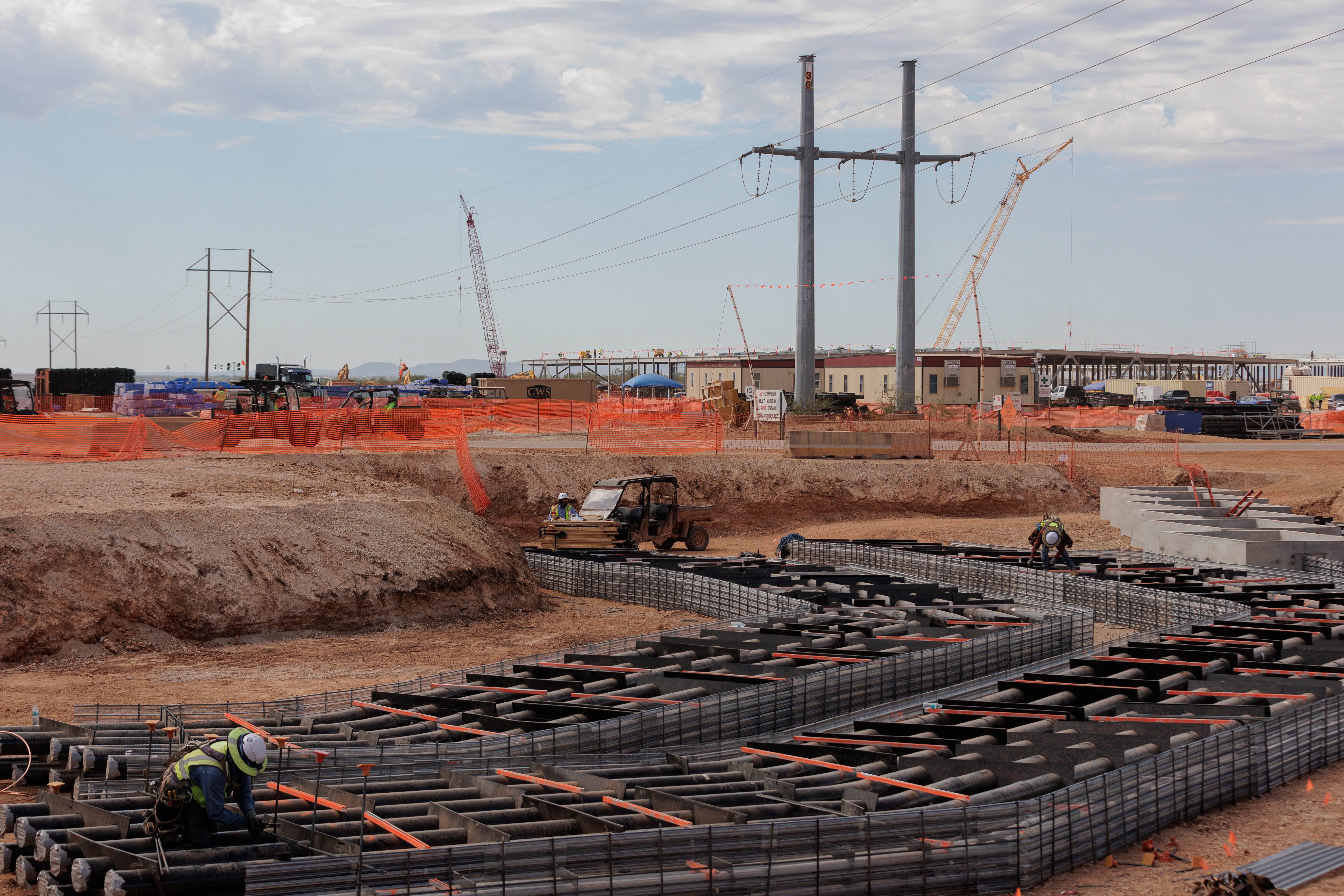
While the AI sector has attracted massive investment, the physical infrastructure required—data centers—is now confronting soaring input costs stemming from punitive tariffs imposed on key materials like steel, aluminum, and copper wires. These levies disproportionately affect the production of essential electrical components such as transformers and transmission towers, according to the CFR report.
Furthermore, the required build-out is being slowed by acute shortages in the construction trades, where a significant portion of the workforce is foreign-born. Reduced migration and heightened enforcement actions are reportedly constricting the pool of available electricians, welders, and technicians needed for facility construction.
This labor scarcity is developing even as overall residential and commercial construction activity declines, meaning AI projects must compete for a dwindling pool of skilled craft workers. The issue is compounded by the administration’s potential push for increased housing starts, which would further strain the existing construction labor base.
This dynamic directly impacts the hundreds of billions of dollars already committed to compute infrastructure, effectively reducing the purchasing power of existing capital expenditure plans. The CFR notes that utility companies are also struggling to meet the massive electricity demands projected by proliferating data centers, which require substantial new grid infrastructure.
Policy actions intended to support domestic chip production and secure critical minerals have inadvertently created supply-side bottlenecks for the physical construction necessary to house these advanced systems. The success of the AI buildout, therefore, hinges as much on securing welders and electricians as it does on attracting specialized AI engineers.
Moving forward, policymakers may need to re-evaluate visa programs, such as H-2B and EB-3, specifically for the building trades to alleviate the immediate construction crunch. Failure to address these physical constraints could delay the realization of projected AI productivity gains, regardless of software advancements.