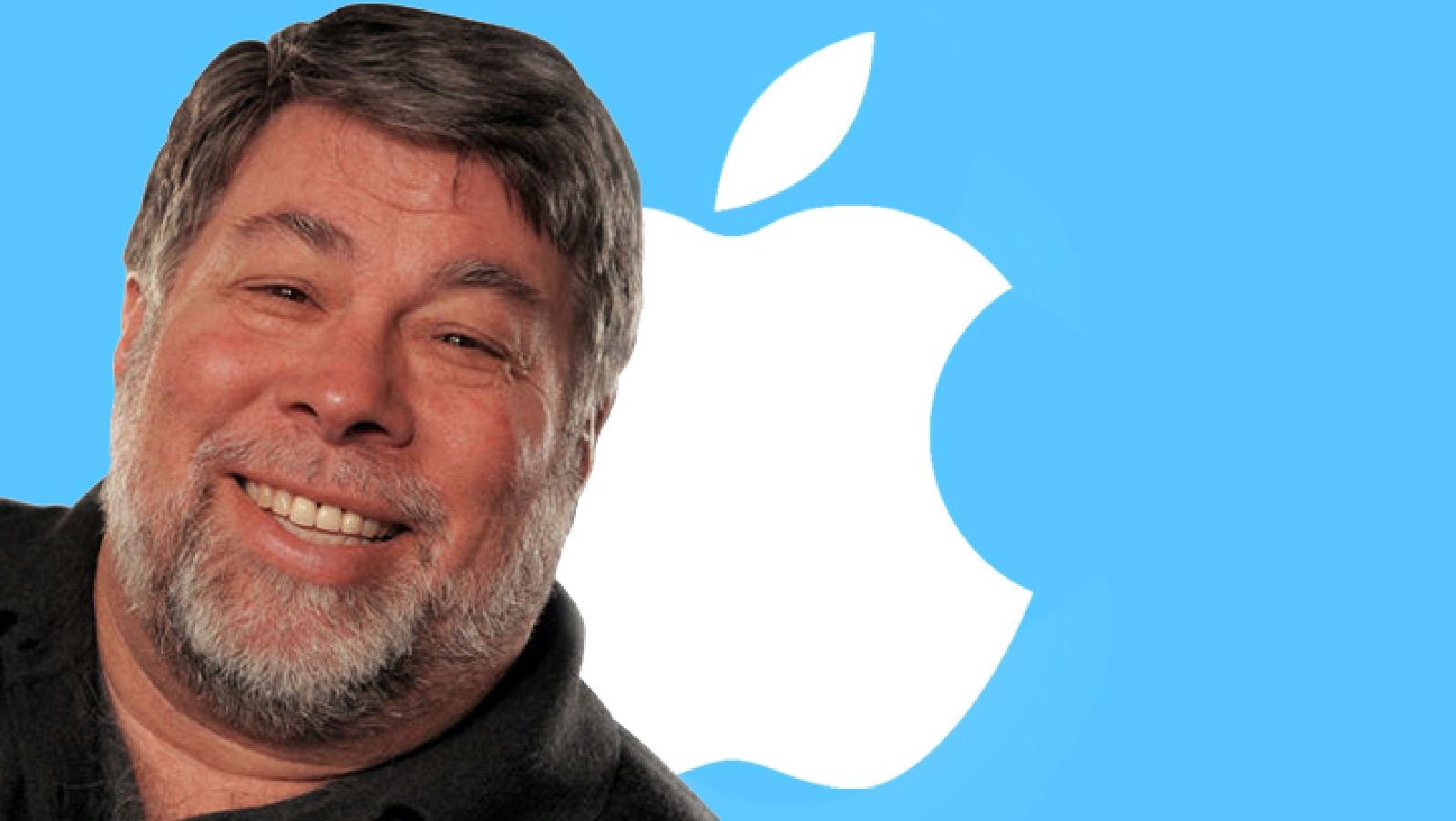
Steve Wozniak, the engineer who built the foundations of Apple, is reigniting the debate over the right to repair. Wozniak’s long-standing philosophy holds that a computer is only truly owned by the user if they can modify, repair, or discard it at will.
“Never trust a computer you can’t throw out a window,” Wozniak has famously stated. This maxim serves as a direct critique of modern hardware design, where manufacturers increasingly rely on industrial adhesives, proprietary screws, and soldered components to prevent user intervention.
The shift toward restricted hardware
In the current tech landscape, many laptops feature RAM modules permanently soldered to the motherboard and batteries glued into chassis. This design choice forces users to replace entire devices rather than upgrading specific parts, creating what Wozniak views as a form of hardware leasing rather than ownership.
Repairability is a core component of this philosophy. When a minor component failure, such as a faulty capacitor, necessitates the replacement of a full motherboard, the device fails its ethical purpose. Wozniak argues that the value of a machine should reside with the user, not the manufacturer’s service center.
Beyond physical repair, the Apple co-founder warns against forced reliance on cloud services. A machine that requires a persistent connection to a remote server to function is, in his view, a tool that controls the user. He advocates for local, transparent data storage where the user maintains complete autonomy over their digital information.
Modern industry standards stand in stark contrast to the machines Wozniak originally designed. While the Apple I and II were built with expansion slots and accessible internals, today’s devices are designed as "black boxes." These systems hide internal processes from the user, preventing audits and restricting the ability to understand how the machine manages data.
If a consumer cannot open, modify, or troubleshoot their device, they are merely renting the hardware. Wozniak’s warning suggests that as long as manufacturers prioritize closed systems, they are actively working against the user’s freedom to own their technology.