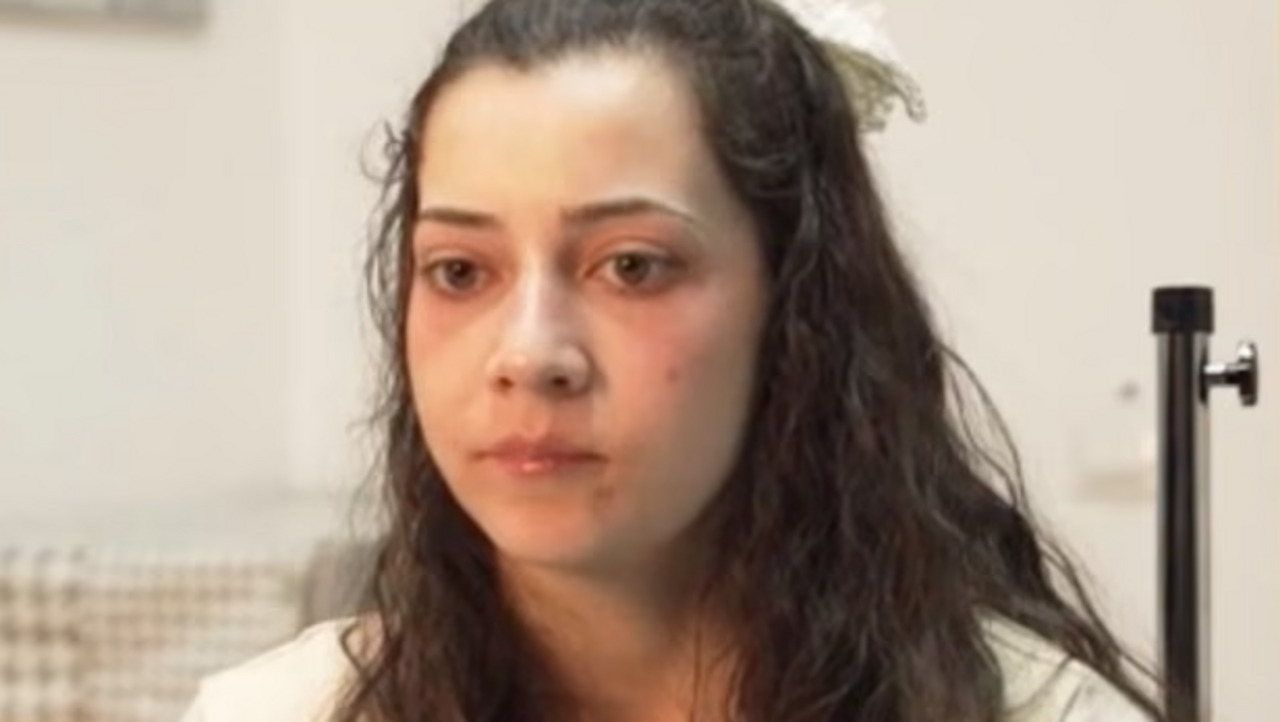
A twenty-five year old woman underwent legal euthanasia in Spain on Thursday following a nearly two year protracted legal battle involving her family and conservative groups who opposed the medical decision. Noelia Castillo received life ending medicine in Barcelona as her case drew national attention regarding the right to die under the country's new legislation. The decision followed laws passed in 2021 enshrining rights for patients meeting specific conditions to access medically assisted suicide or euthanasia.
Castillo's parents opposed her decision up until the end of the legal process and were represented by a conservative Catholic organisation known as Abogados Cristianos. The Catholic organisation confirmed that she had died at a Barcelona hospital outside which a small group of people had gathered to witness the event. Her father put up a lengthy legal battle when a medical body in Catalonia approved her request for euthanasia in 2024.
Castillo struggled with psychiatric illness since she was a teenager and tried taking her life twice before seeking state intervention. The injuries she suffered from her second suicide attempt in 2022 left her unable to use her legs and permanently confined to a wheelchair. An independent body in Catalonia made up of doctors, lawyers and bioethics experts evaluated her condition as serious and incurable.
When a Barcelona court ruled in favour of Castillo's right to euthanasia, her father's lawyers appealed again with the case eventually reaching Spain's Supreme Court. In January, the court upheld Castillo's rights after deliberating on whether her mental illness rendered her incapable of making the decision to end her life. The European Court of Human Rights denied a final attempt to halt the procedure earlier this month.
At last I've managed it so let's see if I can finally rest now, Castillo told Spanish broadcaster Antena 3 in an interview that aired Wednesday. Her parents were deeply disappointed with the outcome and believed the Spanish government had abandoned and failed their daughter by allowing her to die according to the family lawyer. Death is the last option especially when you're very young, Castellanos said while speaking to reporters.
A disability rights group in Madrid called for a review of Spain's euthanasia law adding that it was essential to improve resources for those with disabilities before facilitating death. Javier Font president of the Federation of Associations of People with Physical and Organic Disabilities of Madrid stated that the system must effectively guarantee conditions for living with dignity. The group argued that happiness of parents should not supersede the happiness of a daughter facing unbearable permanent suffering.
Since Spain adopted its euthanasia law over 1,100 people have been administered life ending medicine through the end of 2024 according to the country's health ministry. The criteria vary by country and medically assisted suicide involves patients themselves taking a lethal drink or medication that has been prescribed by a doctor. Euthanasia involves doctors or health practitioners actively killing patients who meet certain conditions by giving them a lethal injection at their request.
This story includes discussion of suicide and international helplines can be found online for those needing help with related thoughts. Spain is among nine European countries with laws that allow people experiencing unbearable suffering to access assisted dying under specific strict conditions. The case continues to shape public opinion on end of life care and the limits of medical intervention in national jurisprudence.