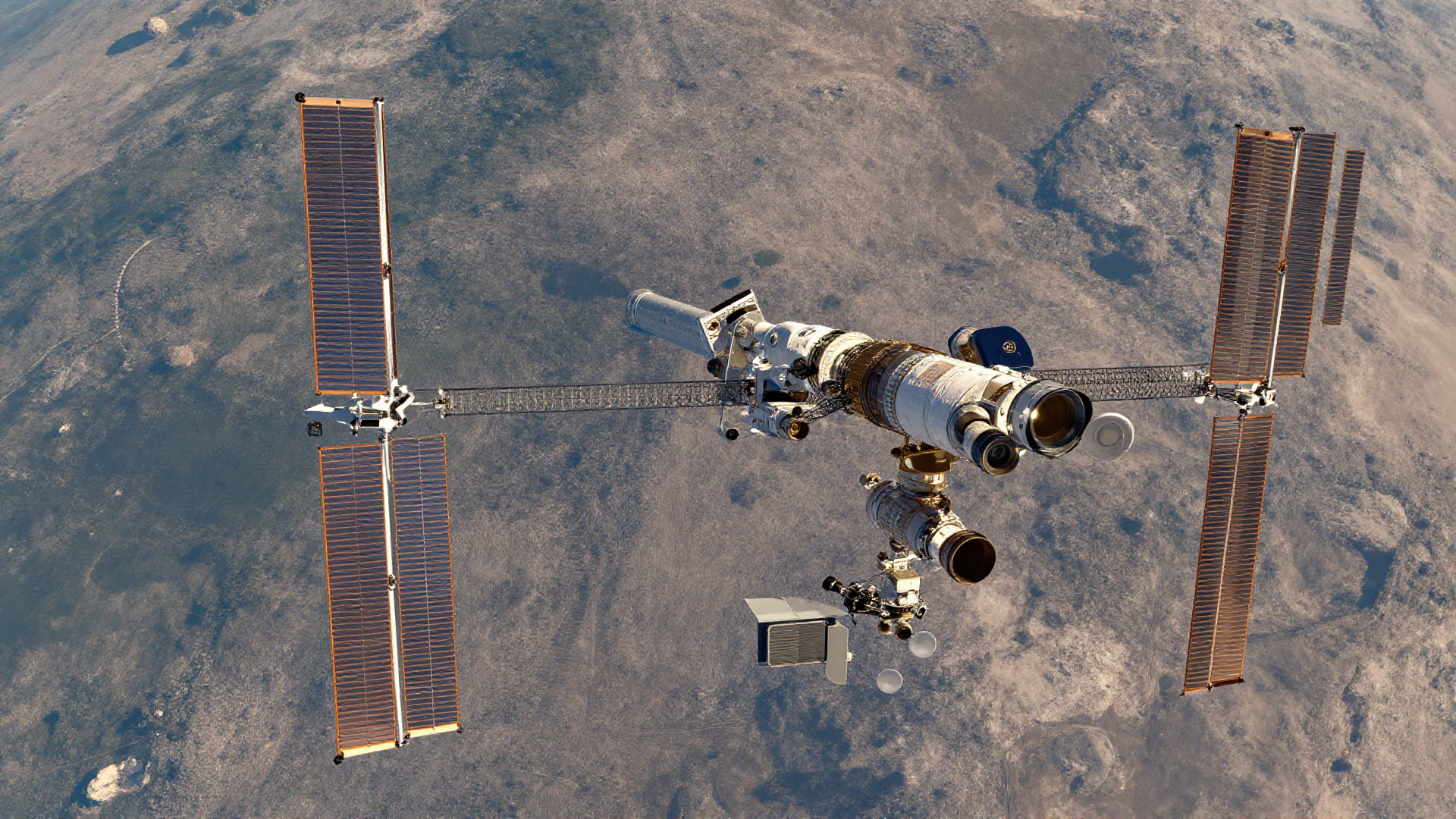
Elon Musk's SpaceX submitted an application to the US Federal Communications Commission (FCC) on Friday seeking authorization to launch as many as one million satellites into Earth's orbit. The filing posits that these orbital facilities would function as 'orbital data centres,' representing the most energy- and cost-efficient method to satisfy the accelerating global requirement for AI computing power.
SpaceX contends that current terrestrial capabilities are being rapidly outpaced by the computational needs generated by expanding artificial intelligence applications across various sectors. The proposed network, if fully deployed, would drastically increase the number of operational satellites in low-Earth orbit, far beyond the nearly 10,000 satellites currently constituting the Starlink internet constellation.
The application asserts that this system would deliver the necessary computer capacity to serve billions of users globally, framing the endeavor as a foundational step toward achieving Kardashev II-level civilization status. This classification references a theoretical scale where a civilization can harness the entire energy output of its host star, according to the filing.
Similar to the existing Starlink assets, the new satellites would operate in low-Earth orbit, positioned at altitudes ranging between 500 and 2,000 kilometers. SpaceX claims these orbital data centers would offer an environmentally superior alternative to conventional terrestrial facilities, which require substantial energy for operation and significant water resources for cooling systems.
However, the proposal intensifies existing geopolitical and technical scrutiny regarding space sustainability, as the current Starlink network already faces accusations of increasing orbital congestion, claims which Musk has previously refuted. Experts caution that deploying hardware in space entails high launch costs and complex infrastructure challenges related to cooling and maintenance.
Furthermore, the increased density of low-orbit craft heightens the risk of on-orbit collisions, potentially generating hazardous debris that endangers other operational satellites. Astronomers have also previously documented interference, reporting that radio emissions from the Starlink constellation effectively 'blind' ground-based telescopes, impeding scientific research.
While the FCC application does not specify an implementation timeline for the one-million-satellite project, the sheer scale of the proposal signals a major escalation in the commercialization and militarization of low-Earth orbit. The eventual regulatory review will weigh the potential economic benefits against established concerns over orbital sustainability and scientific access to the night sky.
Musk addressed concerns about crowding on his X platform, stating the satellites would be spaced so widely apart in the vastness of space that inter-satellite visibility would be minimal. This initiative underscores the growing nexus between global data infrastructure needs and the capabilities of private aerospace firms.