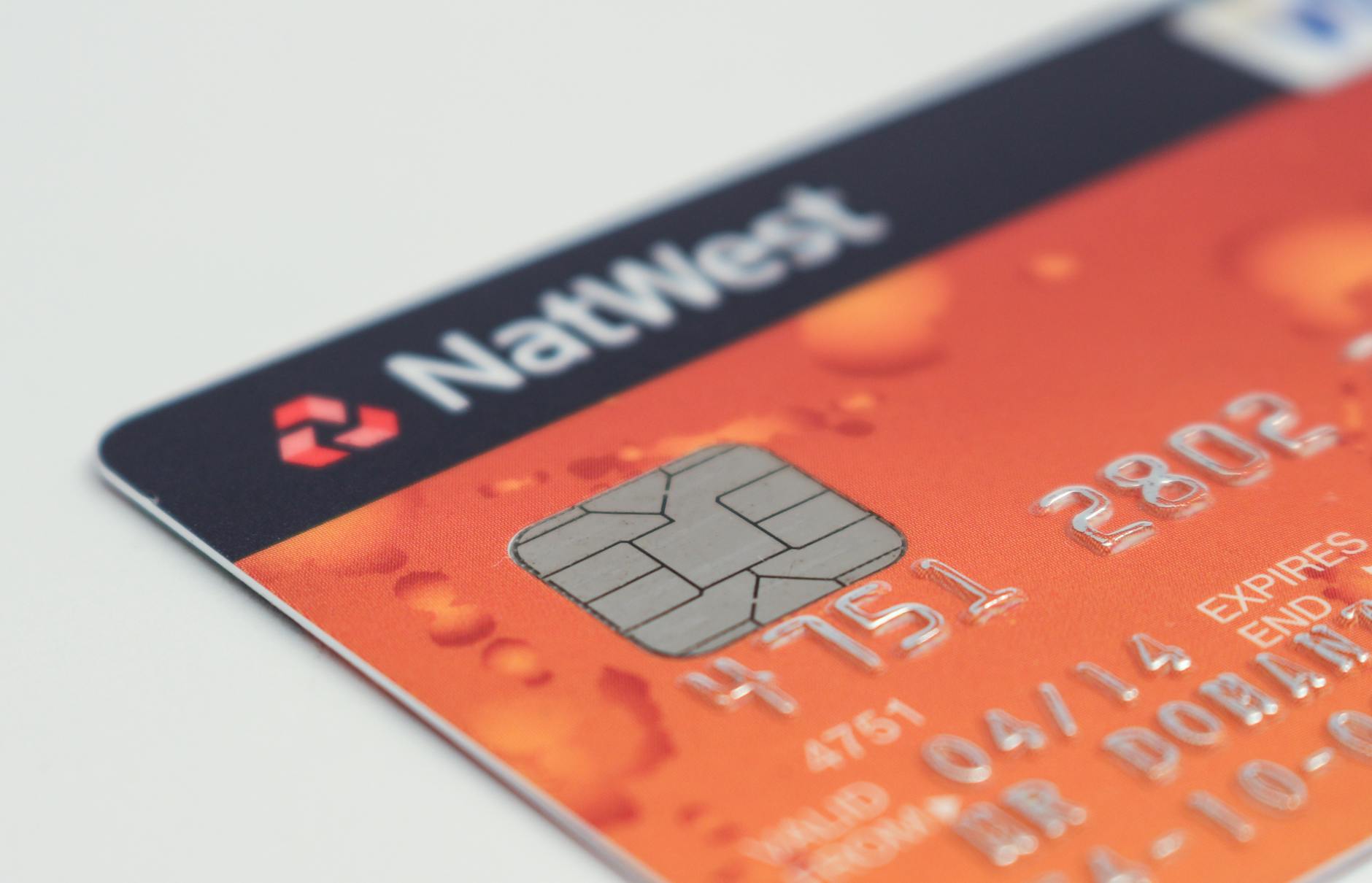
Security researchers are cautioning consumers against relying on household items like aluminum foil to protect contactless credit cards from electronic fraud. While the practice has gained traction online as a cheap security measure, experts say it provides an inconsistent defense against data theft.
Contactless cards utilize Radio Frequency Identification (RFID) technology, which transmits data via electromagnetic fields to payment terminals. These cards typically operate on a high frequency of 13.56 MHz, facilitating quick transactions without physical contact.
According to the industry portal RFID TAG, aluminum foil acts as a conductive barrier that can reflect and absorb electromagnetic waves. This interference effectively disrupts the communication link between a card and a remote reader.
However, the effectiveness of this DIY shielding varies wildly based on frequency. While foil may partially block high-frequency signals used by payment cards, it struggles against low-frequency or ultra-high-frequency systems unless multiple, thick layers are applied.
The risks of mobile skimming
The vulnerability of RFID cards creates opportunities for criminals to engage in "skimming," where thieves use portable devices to intercept data remotely. Once the information is captured, criminals can clone the card or track the user’s movement patterns through repeated unauthorized scans.
Experts note that the practical reliability of aluminum foil is low. Any gaps in the wrapping allow signals to pass through, and a single thin layer of foil rarely provides a complete shield.
Security professionals suggest that instead of relying on makeshift barriers, consumers should use specialized RFID-blocking wallets or card sleeves. These products are engineered specifically to attenuate the signals used by modern payment systems, offering a more robust defense than kitchen materials.
Cardholders should remain vigilant by monitoring their bank statements for unauthorized activity. Reporting suspicious transactions immediately remains the most effective way to mitigate the financial damage caused by electronic theft.