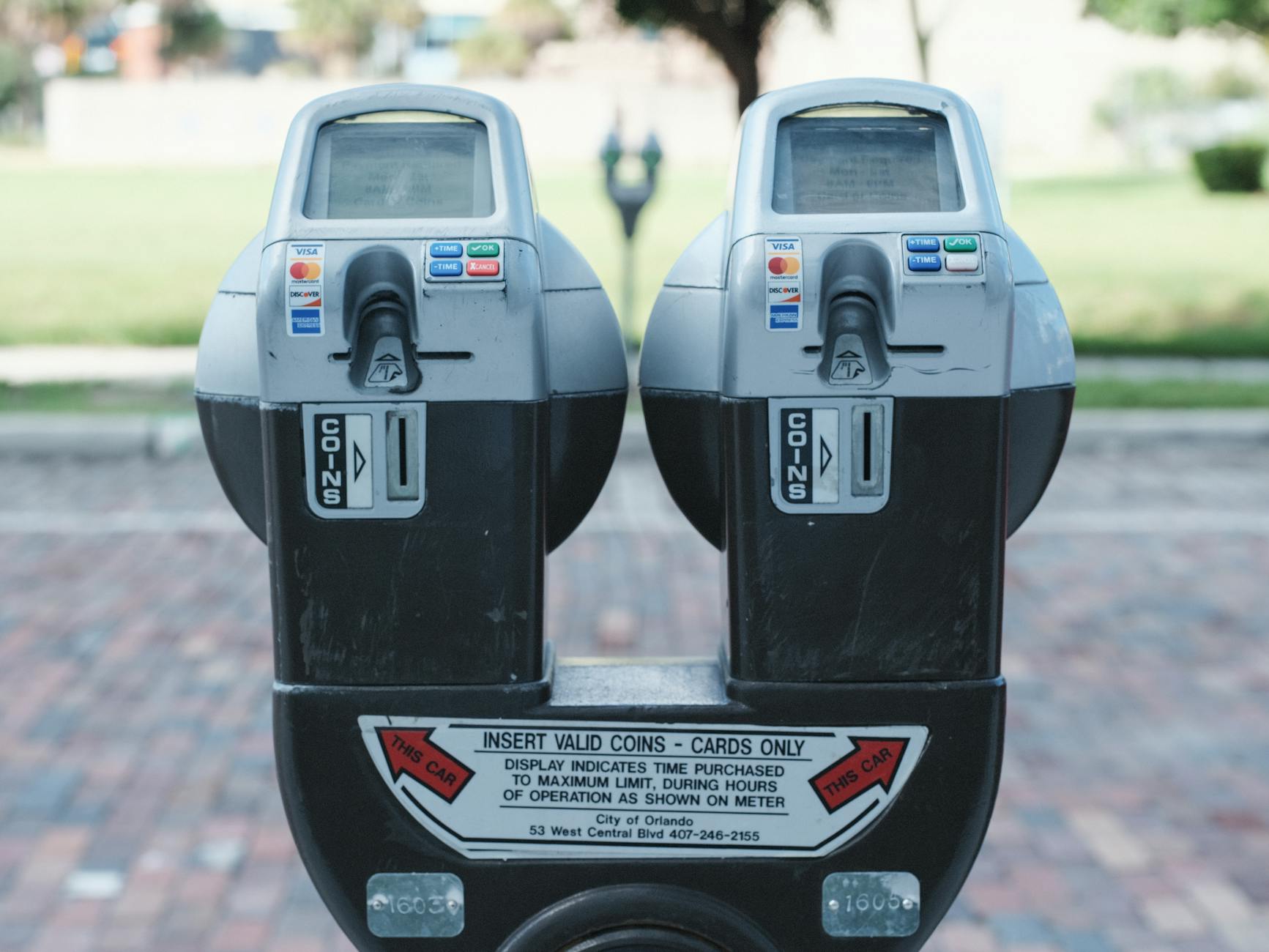
Perm city authorities confirmed Monday that their parking payment system is fully operational following a significant cyberattack last week. The disruption knocked the automated infrastructure offline and temporarily made parking free for several days across the entire region. Local officials stated the service now functions normally with all payment methods active and ready. This restoration ends a period of significant uncertainty for drivers navigating the city streets daily without issues.
The outage was caused by a large-scale distributed denial-of-service attack that overwhelmed the city’s automated network capacity. Drivers could not pay through the official app or website during the incident window which lasted several days. City administration suspended penalties for unpaid parking between March 10 and March 13 to avoid confusion. This temporary relief prevented financial penalties for citizens unable to access the payment portal effectively.
This incident marks at least the third such disruption to parking systems in Russian cities in recent years. Drivers in Krasnodar faced similar issues last January after a telecommunications operator suffered a DDoS attack. Those services also became unavailable to the public for a short duration before restoration efforts concluded. The recurrence suggests a systematic vulnerability within the region’s digital payment infrastructure.
Parking payments in Tver were disrupted in October 2024 after a destructive cyberattack targeted the local city administration’s network. The Ukrainian Cyber Alliance claimed responsibility for the Tver incident in a public statement released online. That group has conducted operations against Russian government and corporate systems since the invasion began. Their actions demonstrate a focus on disrupting daily utilities rather than just military targets.
In its attack against Tver, the group said it wiped dozens of virtual machines and hundreds of workstations. Backup storage and email systems also suffered data loss during the operation targeting the administration. No hacker group has claimed responsibility for the Perm incident so far according to officials. The anonymity of the attackers complicates the investigation into the source of the malicious traffic.
The attack is the latest in a series of cyber incidents affecting services across Russia recently. Earlier in January, a cyberattack on a major bread producer in the Vladimir region disrupted food deliveries significantly. Security systems for homes and vehicles also experienced widespread outages that month causing complaints. These events indicate a broader campaign against critical civilian infrastructure support systems impacting local supply chains and consumers.
Another incident affected booking and check-in systems used by Russian airlines and major airports. These events highlight the vulnerability of critical municipal infrastructure to digital threats from external actors. Authorities remain concerned about the frequency of such disruptions impacting daily commerce. The scale of the attacks suggests coordinated efforts rather than isolated criminal activity leading to travel delays and customer frustration.
It remains unclear whether the Perm incident is linked to previous attacks on parking infrastructure. The lack of attribution suggests a shift in tactics or a new actor entering the space unnoticed. Analysts will monitor for patterns emerging from these recurring outages over time. Understanding the motivation behind these strikes is crucial for future defensive strategies.
This series of events underscores the ongoing cyberwarfare between Ukraine and Russia extending into civilian sectors. Municipal services face increasing risks as digital tools become essential for daily life operations. Future stability depends on improved resilience against distributed denial-of-service threats. Governments must prioritize security upgrades to protect essential public services from similar disruptions.