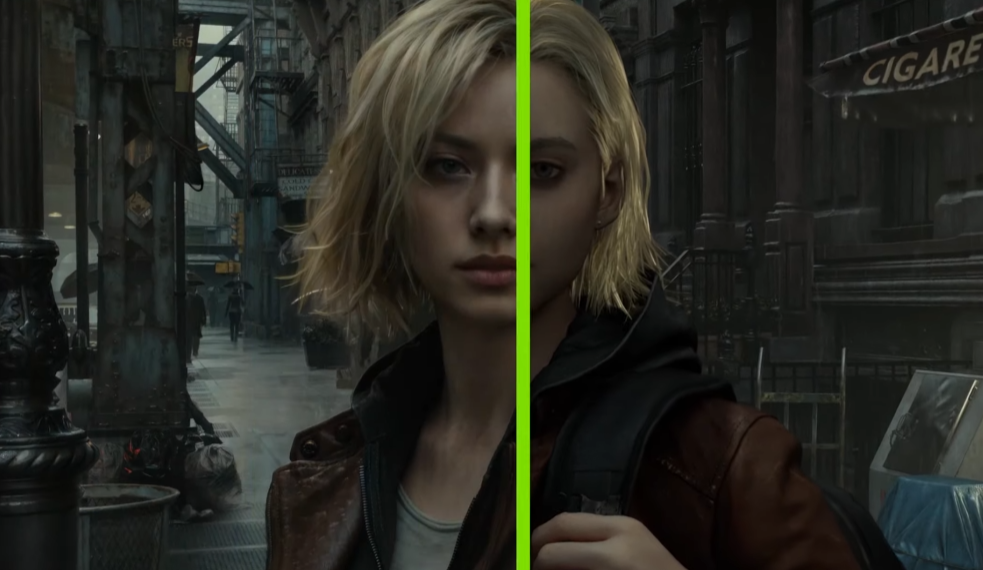
Nvidia introduced DLSS five at its annual GTC conference today in Santa Clara. The new technology promises photorealistic graphics through generative AI upscaling capabilities. However, initial demonstrations suggest the system alters character appearances significantly. Critics argue this undermines the original artistic vision of game developers globally. The event drew significant attention from industry analysts and media outlets.
The technology utilizes three-dimensional neural rendering to enhance traditionally rendered graphics effectively. Digital Foundry provided a technical breakdown of the implementation in their recent analysis video. This method allows real-time transformation of visual assets during gameplay sessions without lag or stuttering.
Observers noted that specific character models received structural changes beyond simple lighting adjustments. Grace Ashcroft from Resident Evil: Requiem appeared with fuller lips and sharper cheekbones in the demo. These modifications align with specific beauty standards rather than the base three-dimensional model geometry intended by artists.
Nvidia CEO Jen-Hsun Huang stated the generative AI remains controlled by structured renderer data inputs. Jacob Freeman from Nvidia added that developers retain artistic control over the effects applied. Bethesda later confirmed that Starfield and Oblivion Remastered support would remain under artist direction. This statement aims to reassure studios concerned about losing creative authority.
Despite these assurances, the demonstration video showed alterations inconsistent with underlying designs. Social media users quickly labeled the feature an AI slop filter within minutes of the announcement. The backlash highlights growing skepticism regarding automated image generation in interactive entertainment. The term AI slop filter implies low-quality output generated by machine learning algorithms.
This phenomenon mirrors similar biases found in other generative AI models previously released to market. The effect resembles a yassification process where subjects are standardized to fit a specific aesthetic. Such trends raise questions about the training data used for these neural networks. These biases often stem from the datasets used to train the underlying machine learning systems.
The situation reflects a broader shift where players and tech companies influence game visuals more than creators. While PC mods allow style adjustments, AI rendering offers a centralized shortcut for publishers. This dynamic could fundamentally alter perceptions of creative ownership in the industry moving forward.
Industry experts warn that big-tech controlled shortcuts might override developer intent significantly. The technology arrives in the fall with support from multiple major titles on the market. Games like Assassin's Creed Shadows and Hogwarts Legacy will feature the update initially. This release schedule indicates a push to integrate the feature into high-profile releases quickly.
Developers can choose not to support the feature if they prioritize original art direction strictly. However, the trend suggests a move toward automated visual enhancement becoming standard practice. The long-term impact on game aesthetics remains uncertain for the sector moving forward. This choice allows studios to maintain their unique visual identity if they prefer.
Stakeholders will watch closely to see if adoption rates match the controversy levels observed. The balance between performance gains and artistic integrity defines the next phase of development. Continued monitoring of DLSS five implementation is necessary for the sector to assess risks and benefits.