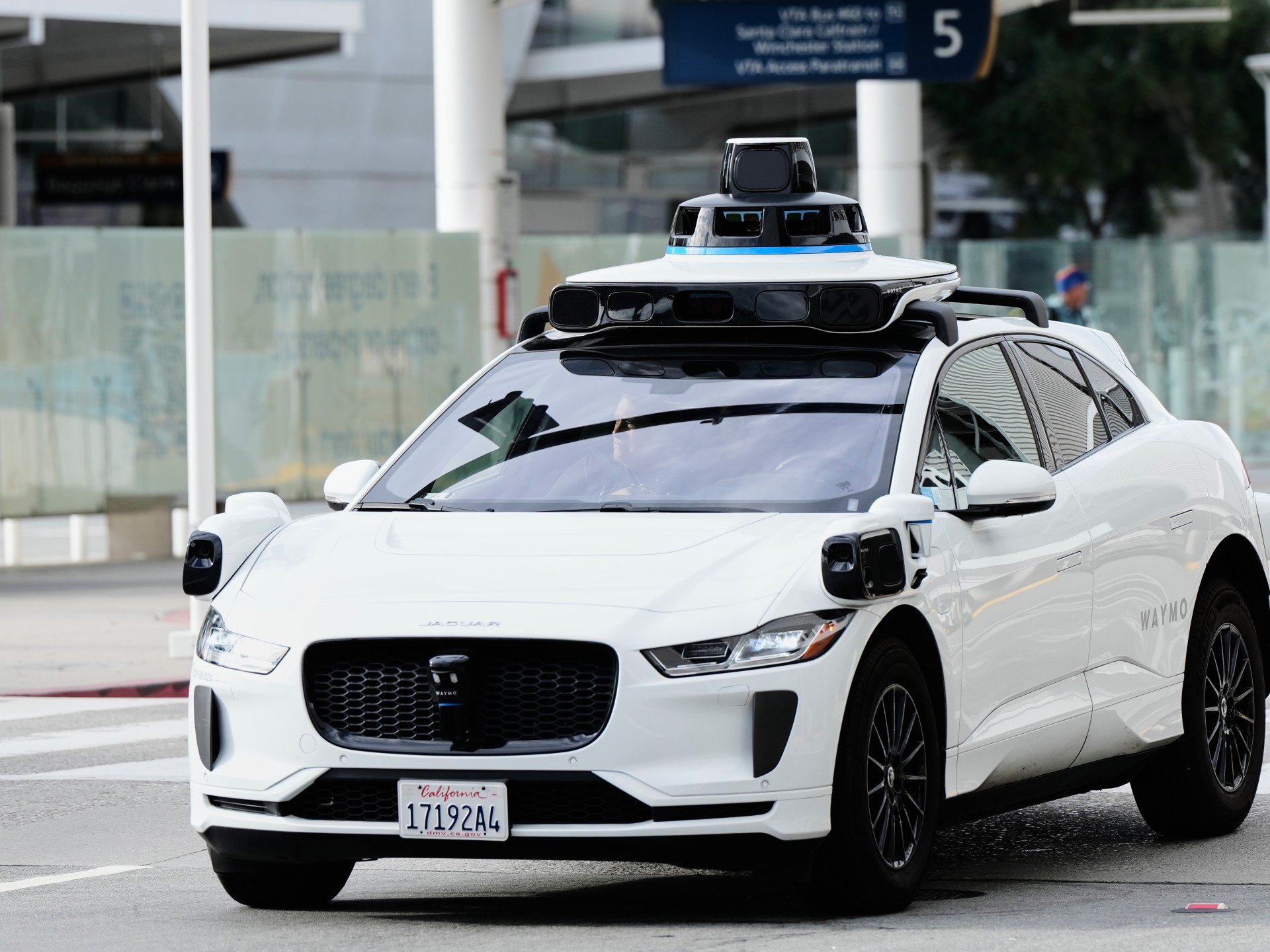
The United States National Highway Traffic Safety Administration (NHTSA) announced Thursday it is opening an investigation after a Waymo autonomous vehicle made contact with a child near an elementary school in Santa Monica, California, last week. The incident, which occurred during routine school drop-off hours, has prompted renewed federal scrutiny regarding the operational safety of driverless taxi services across urban environments.
The agency confirmed that the child reportedly ran into the street from behind a double-parked sport utility vehicle directly into the path of the Alphabet-unit Waymo vehicle. The area surrounding the collision included other children, a crossing guard, and numerous parked cars, raising questions about the AV’s situational awareness in dense pedestrian zones, according to reports from aljazeera.com.
NHTSA plans to examine the Waymo vehicle’s behavior in school zones, specifically focusing on adherence to posted speed limits and its response to vulnerable road users during peak traffic times. The agency also stated it will investigate Waymo’s post-impact procedures, as the Federal government tightens oversight on autonomous deployment.
Waymo stated in a blog post that its vehicle detected the individual immediately upon emerging and executed a hard brake, slowing from approximately 17 miles per hour to under 6 mph before impact. The company asserted that its internal modeling suggested a human driver, under the same circumstances, would have made contact at a higher speed of about 14 mph.
This event coincides with heightened regulatory attention, as the US Senate Commerce Committee has already scheduled a hearing on self-driving technology for February 4, which will feature Waymo’s Chief Safety Officer, Mauricio Pena. Furthermore, the National Transportation Safety Board (NTSB) announced its own separate inquiry into the incident.
This is not the first recent regulatory challenge for Waymo; the NTSB concurrently opened an investigation into repeated instances where Waymo robotaxis illegally passed stopped school buses in Austin, Texas. The company previously recalled over 3,000 vehicles in December to address software issues that caused these violations, demonstrating persistent software challenges near sensitive areas.
The broader context involves the rapid expansion of robotaxis throughout American cities, testing the capacity of existing infrastructure and safety standards to manage these new technologies effectively. The outcome of these intertwined investigations will likely shape the near-term regulatory trajectory for autonomous vehicle deployment in the US market.