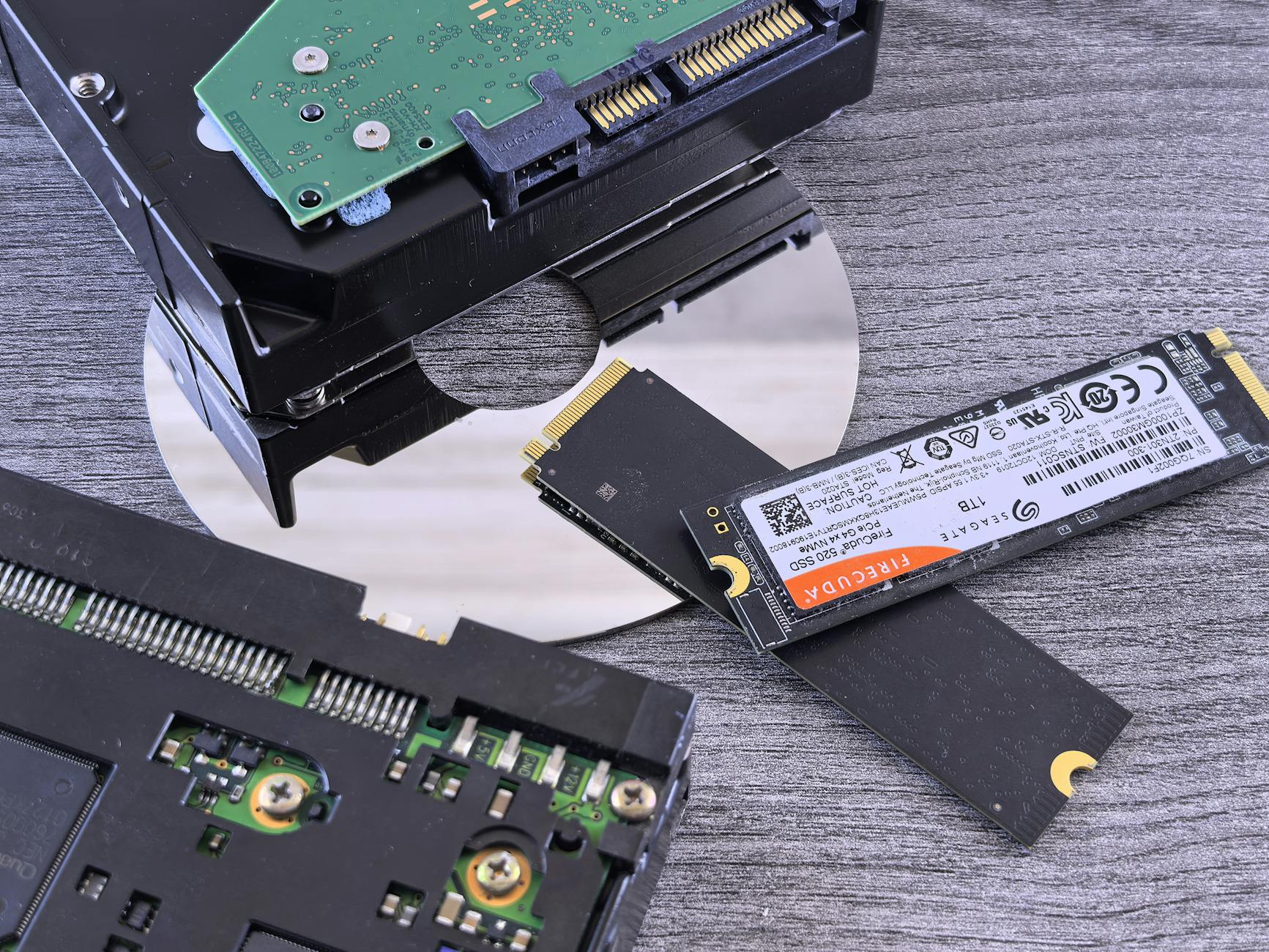
A Reddit user recently shared a discovery that challenged the assumption that new electronics are always factory-fresh. Upon purchasing a 1TB solid-state drive (SSD) marketed as new, the buyer found that 800GB of the storage capacity was already occupied by a collection of professional digital files.
The drive contained a suite of music production programs, including industry-standard tools like Kontakt and Reaktor. These applications, which are widely recognized in the audio engineering community, often retail for thousands of pesos individually.
Security risks and supply chain failures
While the discovery appeared to be a financial windfall, the online community quickly highlighted the practical limitations of the find. Many users pointed out that without official licenses or physical hardware keys like iLok, the software remains largely non-functional for professional use.
Others expressed significant concern regarding the origin of the data. Some commenters suggested the drive may have been a customer return that was restocked and sold as new without undergoing a proper data wipe. This represents a potential lapse in the retailer’s quality control process.
Security experts on the platform offered a more cautious perspective. They warned that the pre-installed files could pose a severe security risk. There is a possibility that the software was modified or contained malicious code designed to infect the user’s computer upon execution.
For now, the incident highlights the risks associated with hardware procurement. Whether the drive was a simple return processing error or a more complex security threat, the case serves as a warning for consumers to wipe any new storage device before integrating it into their primary computing systems.