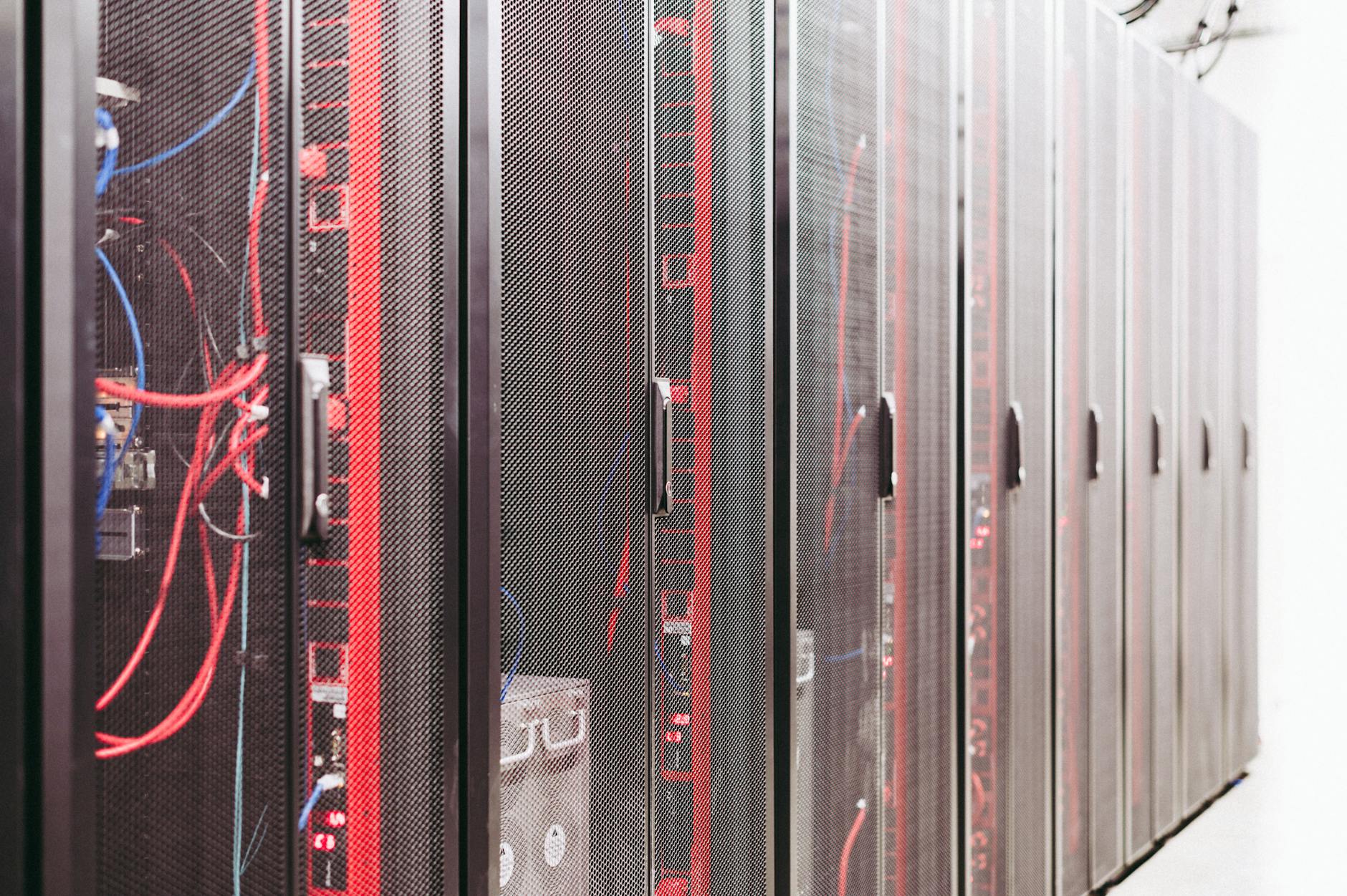
Data center operators began implementing advanced AI-driven cooling systems this quarter to mitigate the extreme heat generated by massive hardware expansion.
Technical data from DeepMind and efficiency reports from the International Energy Agency (IEA) show that new deep learning algorithms can now predict local weather patterns to manage thermal loads in real time.
Unlike traditional reactive thermostats, these systems use Google Cloud AI architecture to analyze humidity, wind, and atmospheric pressure hours in advance. This allows facilities to initiate gradual cooling before a heatwave hits, preventing sudden spikes in electricity consumption.
Predictive cooling efficiency
This proactive approach has been validated by studies from the American Society of Heating, Refrigerating and Air-Conditioning Engineers (ASHRAE). The technology aims to keep hardware at an optimal performance 'sweet spot' without wasting megawatts of power.
Industry estimates suggest that moving from reactive thermostats to predictive AI can reduce energy consumption by up to 40%. This shift addresses the unsustainable energy demands currently straining global electrical grids.
Chile is positioned as a primary beneficiary of this technology due to its growing status as a regional tech hub. Massive installations from Google and Huawei in the Metropolitan Region can leverage local conditions, such as night-time temperature drops and natural winds, to optimize energy use.
Implementing these ASHRAE-standard algorithms allows the country to maintain its infrastructure without compromising the national power grid. The technology effectively uses the energy-intensive nature of AI to solve its own primary environmental drawback.