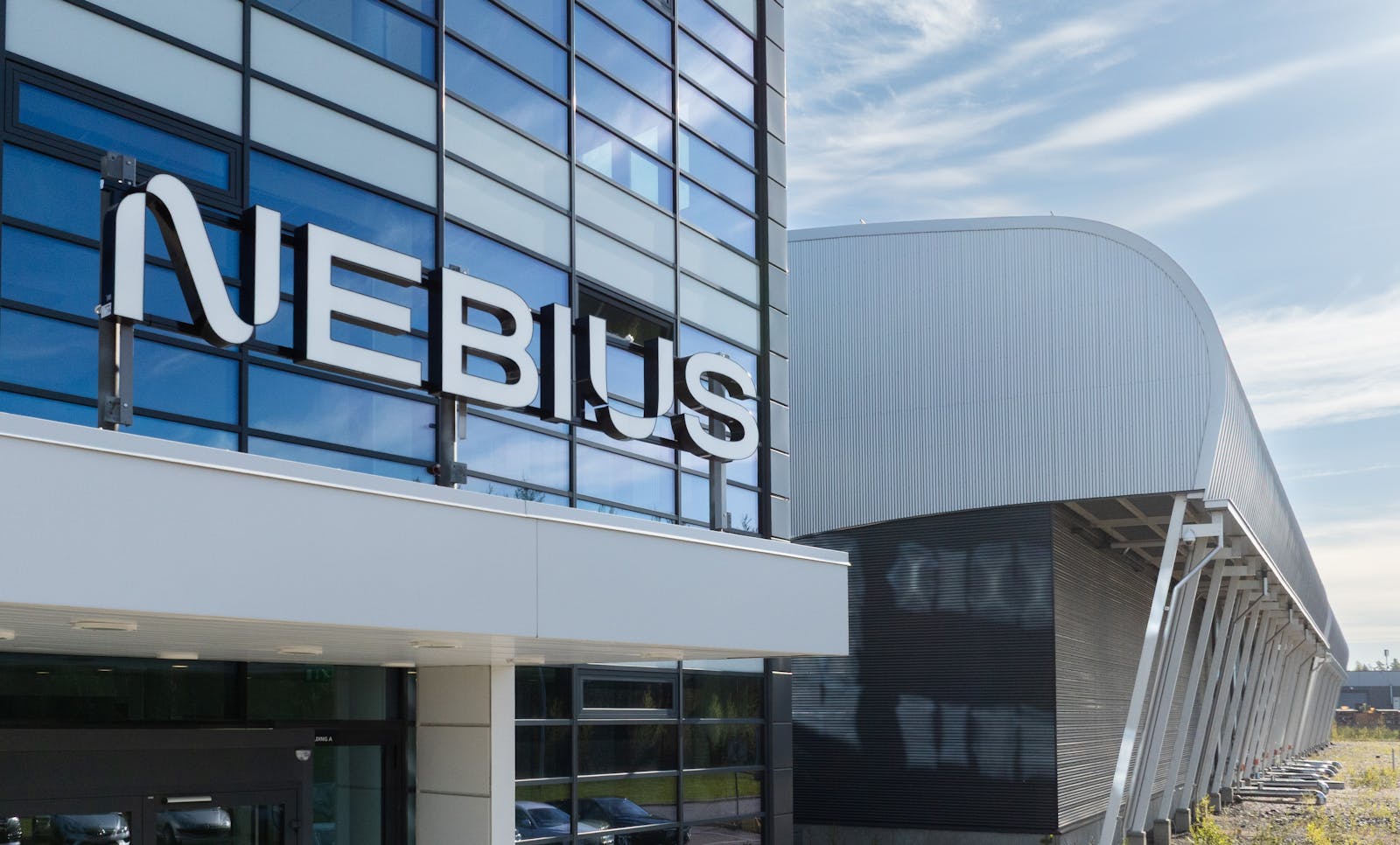
Nebius shares rose significantly on Monday following the announcement of a massive infrastructure agreement with Meta Platforms Inc. The five-year contract covers up to 27 billion dollars in dedicated AI computing capacity across multiple global regions. Amsterdam-based Nebius confirmed the deal aims to support Meta’s artificial intelligence expansion plans starting in 2027. This partnership marks a significant step in the company’s strategy to become a primary provider for hyperscalers.
Meta will initially purchase 12 billion dollars of capacity to support its machine learning and generative AI initiatives. This arrangement reportedly includes the first large-scale deployments of the NVIDIA Vera Rubin platform for enterprise use cases. The company stated deliveries would commence in early 2027 according to its official press release regarding the project timeline.
An additional 15 billion dollars in planned capacity remains available if unsold to other customers during the period. This structure allows Meta to secure resources while mitigating immediate overcommitment risks regarding specific hardware availability. Nebius guidance for 2026 revenue run rates remains unchanged at seven billion to nine billion dollars per the latest earnings results.
This agreement follows a previous three billion dollar contract announced in November between the two technology firms. The company also recently secured a two billion dollar investment directly from Nvidia to bolster its data center operations. These partnerships highlight the growing reliance on specialized hardware providers for hyperscale needs in the current market.
Shares of Nebius climbed nearly 14 percent in early trading on Monday as investors reacted positively to the significant financial news. Other neocloud companies like CoreWeave and Riot Platforms saw increased trading interest following the announcement of the large deal. Analysts note that investors appear to be betting on the sustained demand for dedicated AI infrastructure capacity throughout the coming years.
Meta prioritizes capital allocation toward rapid artificial intelligence growth over other operational areas within the business. Recent reports suggest the company may cut more than 20 percent of its staff to fund these massive initiatives effectively. Reuters noted the layoffs could impact a significant portion of its workforce globally as part of cost restructuring.
Despite heavy spending, Meta faces hurdles in achieving top-tier AI performance metrics compared to rivals in the sector. The New York Times reported delays in releasing its Avocado model due to quality concerns within the research division. Dropping tens of billions on compute capacity has not yet guaranteed leadership on current AI leaderboards published by experts.
The deal underscores a strategic shift toward independent infrastructure providers rather than traditional public cloud vendors like Amazon or Google. It raises questions about the profitability and scalability of specialized data center operators in an increasingly competitive and volatile market. Analysts will watch for potential execution risks as the 2027 delivery date approaches for the full infrastructure rollout.
Nebius aims to maintain its revenue guidance despite the long-term nature of the agreement with the social media giant. The broader tech sector continues to compete for control over the computing resources required for generative AI models. Next quarter earnings reports will reveal early traction from this strategic partnership among industry watchers and financial analysts.