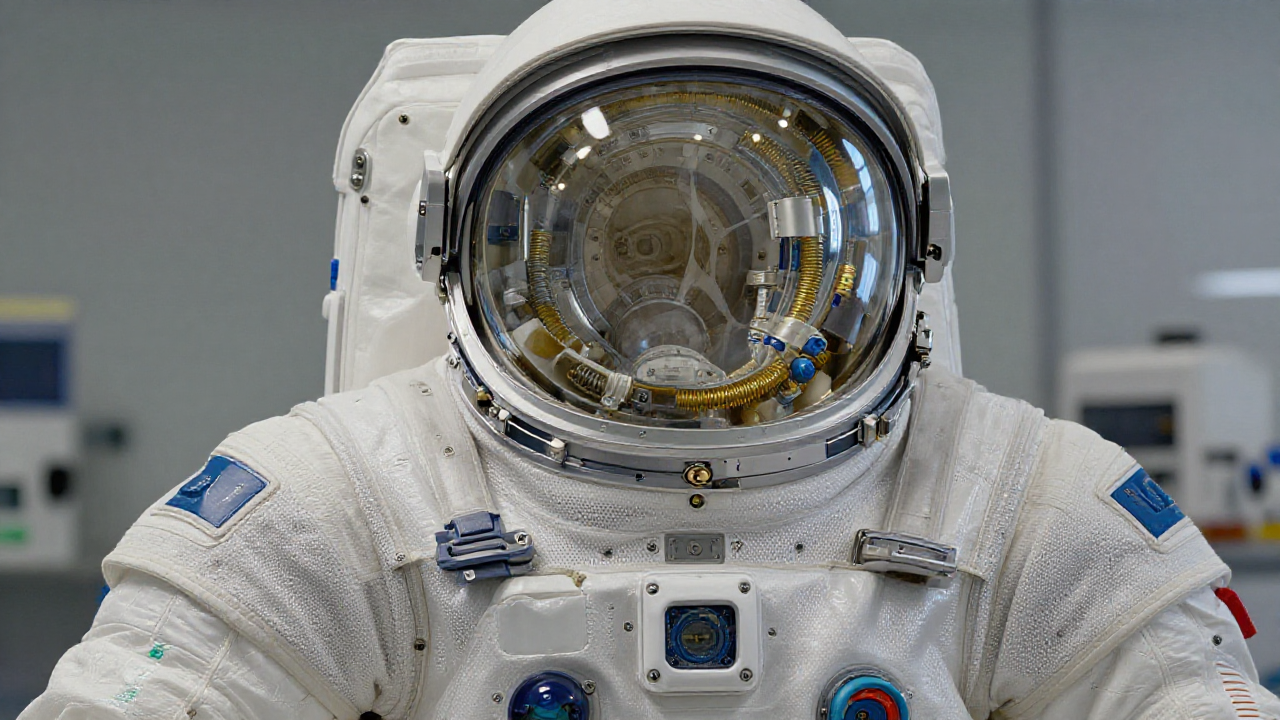
NASA engineers are finalizing new spacesuits for the Artemis program at the Johnson Space Center. These suits address unprecedented pressure and duration challenges for lunar missions. The technology also supports future Mars transit plans.
Engineering the Future
Dustin Gohmert leads the engineering team responsible for the Orion Crew Survival Systems Lab. Years in the making, the suits are designed to protect astronauts during launch and landing. They also cover possible emergency scenarios that could occur in space.
While the suits are not drastically different from past generations, the operational demands have changed significantly. The pressures the astronauts will experience are now higher than ever before. The duration they can remain in the suit is also unprecedented from what we have tried before.
"The pressures the astronauts will experience and the duration they can remain in the suit are unprecedented from what we have tried before," Gohmert said.
Strategic Implications
In addition to NASA's Artemis missions, the orange Orion suits are ultimately designed for use in future Mars transit missions. This investment signals a long-term commitment to deep space exploration beyond the moon. The development represents a significant step in the global space race.
Previous missions did not require suits to withstand such extreme conditions for extended periods. The new design ensures crew safety during critical phases of flight. This capability is essential for any mission lasting more than a few days.
The engineering effort at the Johnson Space Center highlights the technical complexity of modern spaceflight. It requires precise manufacturing and rigorous testing protocols. These standards ensure reliability when human lives are at stake.
Looking Ahead
NASA astronauts are gearing up for the first lunar fly-around mission in more than half a century. This milestone marks a return to the moon after decades of absence. The success of the Artemis program depends on this hardware performance.
Future missions will rely on this technology to sustain crews in deep space environments. The investment in this infrastructure supports broader economic goals in the aerospace sector. It also strengthens national security interests in space operations.
Analysts will watch for the next launch window to assess the suit's real-world performance. The data collected will inform future designs for interplanetary travel. This progress could redefine the timeline for human presence on Mars.