NASA is advancing its Artemis program beyond the upcoming Artemis 2 mission. The agency announced a revised schedule focused on establishing a sustained lunar presence before targeting Mars. This strategic shift involves significant changes to landing mission assignments according to reports from the agency.
Launch is scheduled for April first, 2026. The crew will travel 8,889 kilometers beyond the Moon in the Orion spacecraft. The team includes Christina Koch, Victor Glover, Reid Wiseman, and Jeremy Hansen.
Artemis 3 is now a demonstration mission rather than the landing attempt. The first descent to the lunar surface will occur during Artemis 4. This delay allows for further testing of human landing systems.
Artemis 1 completed in 2022 as an uncrewed test flight. It traveled 450,000 kilometers to validate key systems before returning to the Pacific Ocean. The mission confirmed the safety of the SLS rocket and Orion capsule for human crews.
Companies like SpaceX and Blue Origin are developing the Human Landing System. These vendors must demonstrate safe landing capabilities before crewed operations begin. A NASA official reportedly stated the focus is on surface infrastructure over orbital stations.
NASA is prioritizing surface infrastructure over the Lunar Gateway orbital station. This shift aims to reduce costs and accelerate scientific output on the Moon. The agency plans to build a base to support longer-duration stays.
The program positions the United States against other nations planning lunar missions. Sustained presence allows for technology development necessary for interplanetary travel. International collaboration remains a key component of the strategy.
Artemis 5 will mark the start of annual launch cadences. The agency expects to conduct surface experiments after Artemis 4. Long-term goals include establishing a permanent human foothold on the Moon.
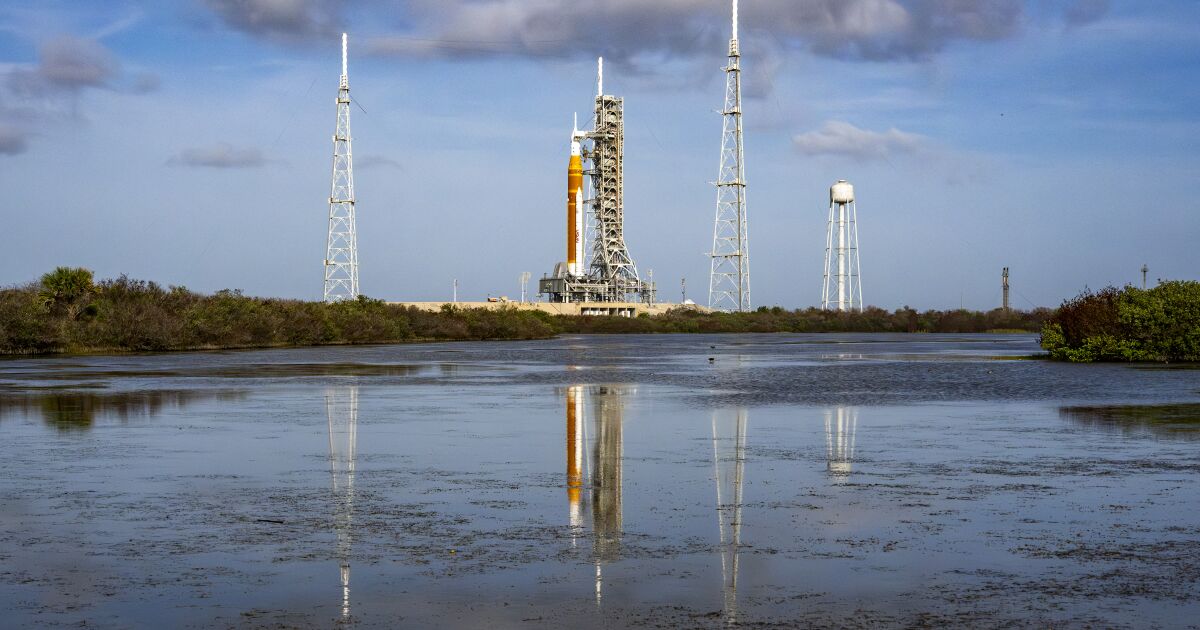
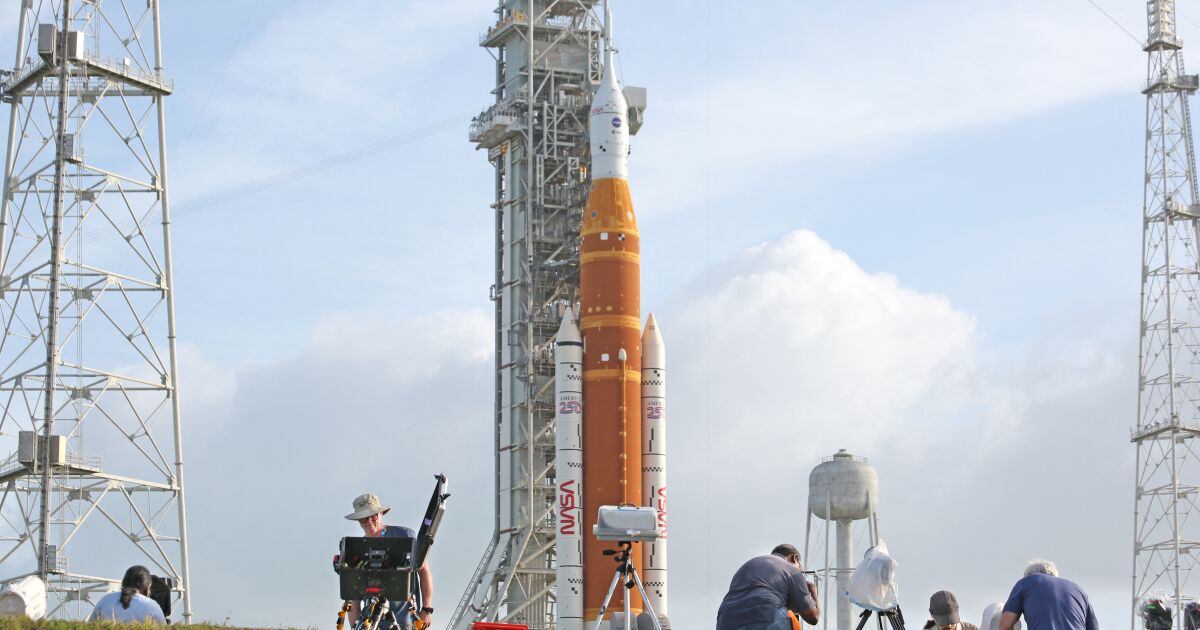
The Space Launch System rocket stands 322 feet tall. It exceeds the power of the Saturn V used during the Apollo era. The Orion module includes advanced life support systems for deep space travel.