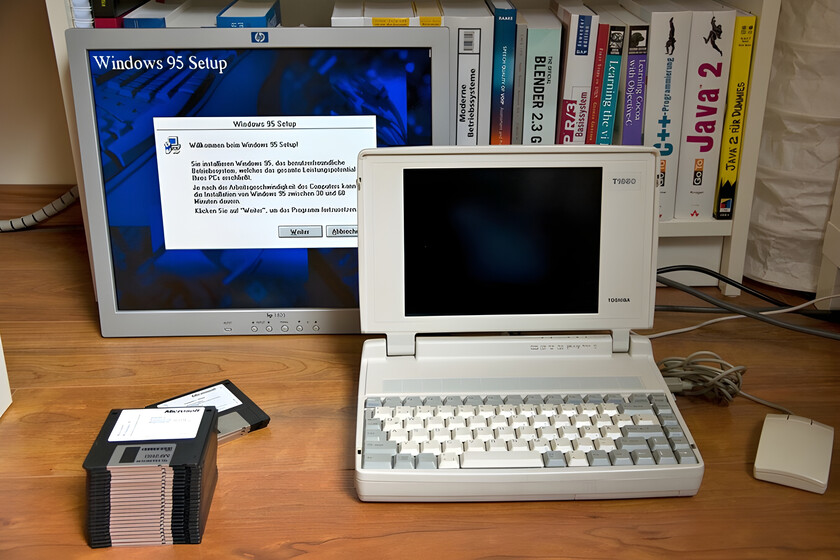
Three decades ago, Microsoft released Windows 95 to the global market. A recent explanation clarifies the complex installation process used at the time. According to Raymond Chen, the design logic behind the multiple interfaces remains practical. A user on X asked why the process used three distinct interfaces.
Chen works for Microsoft for over 30 years in software engineering. He posted the explanation on The Old New Thing blog recently. He stated the design reduced necessary code significantly. This insight provides clarity on legacy system architecture decisions.
The installer used MS-DOS, Windows 3.1, and three Windows 95 interfaces. This approach utilized existing tools rather than creating new ones. It prepared the environment for the operating system effectively. The program installed a minimal version of Windows 3.1 first.
A basic version of Windows 3.1 installed first on the machine. This supported the 16-bit portion of the installer. TechSpot reported this tool was vital for configuration tasks. The application could even run within an existing Windows 95 installation.
Hardware detection occurred within the 16-bit application layer. Drivers were selected based on this initial setup process. A final Win32 application completed the system configuration. It included the installation of printers and other peripherals.
Windows 95 launched on August 24, 1995, officially. It sold seven million copies in the first five weeks. El País noted Microsoft earned revenue before the official market release. This date marked a before and after for the company.
The system introduced the taskbar and start menu to users. IE Business School states it consolidated company dominance globally. Experts warn this created a monoculture vulnerable to viruses. The interface model would endure for decades.
This standardization impacted technology adoption across Latin America. Mexico and other nations adopted this infrastructure for decades. The legacy affects current digital security challenges and economic growth in the region. Emerging markets faced similar vulnerabilities during rapid digitization.
Understanding this history helps analyze current software monopolies. Tech giants continue to shape global digital standards. Regulatory bodies must consider these historical precedents for future policy. The evolution of operating systems remains a key economic factor.