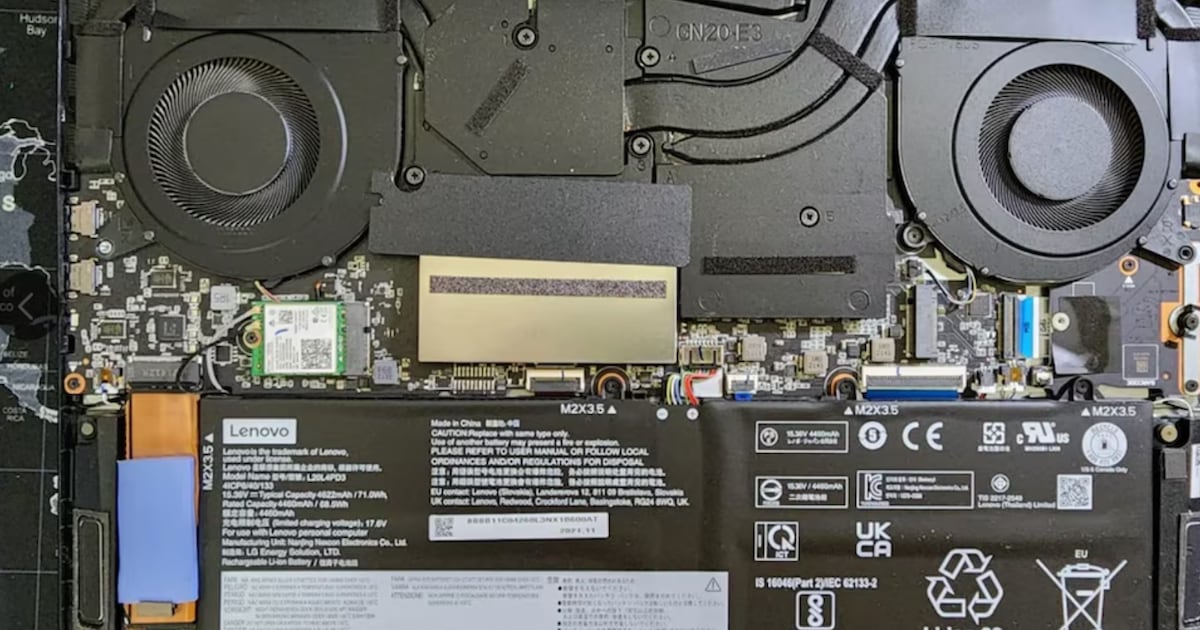
Users upgrading laptop memory frequently encounter a thin black foil covering memory modules and storage drives within the chassis enclosure. According to reports by Infobae and FayerWayer, this component is not manufacturing residue but a vital engineering element for modern computing devices. It acts as a primary defense against overheating and system instability in ultra-thin chassis designs used by professionals in the workforce to ensure reliability.
The sheet functions as a passive thermal management component essential for maintaining optimal operating temperatures during intensive workloads. In 2026, device airflow architectures calculate air passage over these specific surfaces rather than around them to maximize efficiency and reliability. Retaining the material ensures the cooling system operates as intended by the original manufacturer without any compromise to performance.
Many technicians mistakenly discard the foil during upgrades, believing it obstructs ventilation paths or adds unnecessary weight to the machine. However, removing the layer can invalidate warranties on major brands that consider it part of the certified thermal architecture for the device. This oversight frequently leads to hardware damage claims denied by support teams who inspect the internal configuration for unauthorized modifications.
In Chile, high-performance laptops serve as essential tools for remote work and digital economy sectors that drive national productivity growth. IT departments managing corporate fleets face increased costs when equipment fails due to thermal stress within two years of purchase. Understanding these technical nuances helps organizations maximize asset longevity in competitive markets across the country in various industries including finance and services.
Engineers describe the black layer as a passive component as important as active cooling fans for dissipating heat from the processor. It manages heat dissipation while simultaneously shielding against electromagnetic interference from nearby components on the motherboard. Disrupting this balance compromises both performance and data integrity during intensive processing tasks and data transfers.
The risk of hardware failure increases significantly when users alter factory-calculated airflow paths without professional calibration tools. A laptop modified incorrectly may lose half its expected lifespan compared to a unit left unaltered by the user. This degradation impacts productivity and replacement cycles for businesses across the region requiring reliable hardware for daily operations.
Experts advise that if relocation is necessary, the sheet must return to its precise original position to function correctly. Reinstallation requires care to avoid tearing the material or misaligning it over contact points that distribute heat. Proper handling preserves the device integrity required for professional use in demanding environments and critical deadlines.
Future device designs will likely integrate these thermal solutions more deeply into motherboard layouts to save internal space. Manufacturers continue refining passive cooling to compete with active fan systems in slim form factors for the consumer market and enterprise segments. Staying informed on these changes prevents unnecessary hardware replacement expenses for consumers and businesses.
Companies should update employee manuals to include warnings against removing internal protective foils during maintenance procedures. Training IT staff on proper upgrade procedures reduces unnecessary service calls and repair costs significantly. This administrative step aligns with broader sustainability goals in the technology sector regarding electronic waste reduction efforts globally.