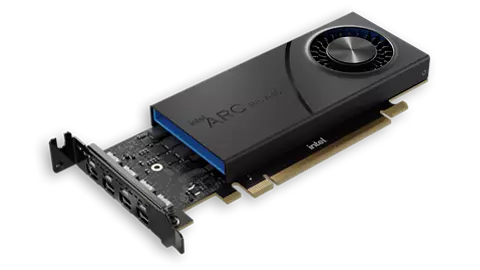
Intel has released its latest Arc graphics driver. While the update primarily focuses on compatibility fixes, one specific detail has caught the attention of hardware enthusiasts: the driver explicitly adds support for mobile GPUs that have yet to hit the market.
According to a report by PC Gamer, hardware IDs listed in Intel’s release notes indicate that the company is laying the software groundwork for chips that are not yet available to consumers. This move suggests that Intel is actively testing and integrating these products internally, even though the graphics cards remain unavailable at retail.
Development Progress and Market Expectations
It has long been standard practice for hardware manufacturers to pre-load underlying code via driver updates before a product's official launch. However, given Intel's current market share and product iteration pace in the discrete graphics space, this update for "ghost hardware" is particularly noteworthy. Intel has not yet disclosed specific technical specifications or a launch timeline for these next-generation mobile GPUs.
For current Arc users, the update primarily focuses on improving stability across several mainstream titles. In its release notes, Intel stated that the driver addresses graphics rendering bugs found in previous versions and optimizes memory allocation mechanisms, all aimed at boosting the overall gaming performance of existing products.
Industry analysts note that this move is not just about supporting the current lineup, but also about paving the way for upcoming hardware refreshes. By deploying driver support early, Intel ensures that new hardware benefits from a mature software ecosystem at launch, thereby minimizing compatibility issues for early adopters.
As of now, Intel has not provided further comment regarding the specifications or release window for these unreleased GPUs. With the demand for mobile computing continuing to rise, the market is closely watching to see if Intel will use these new graphics cards to expand its footprint in the laptop sector.