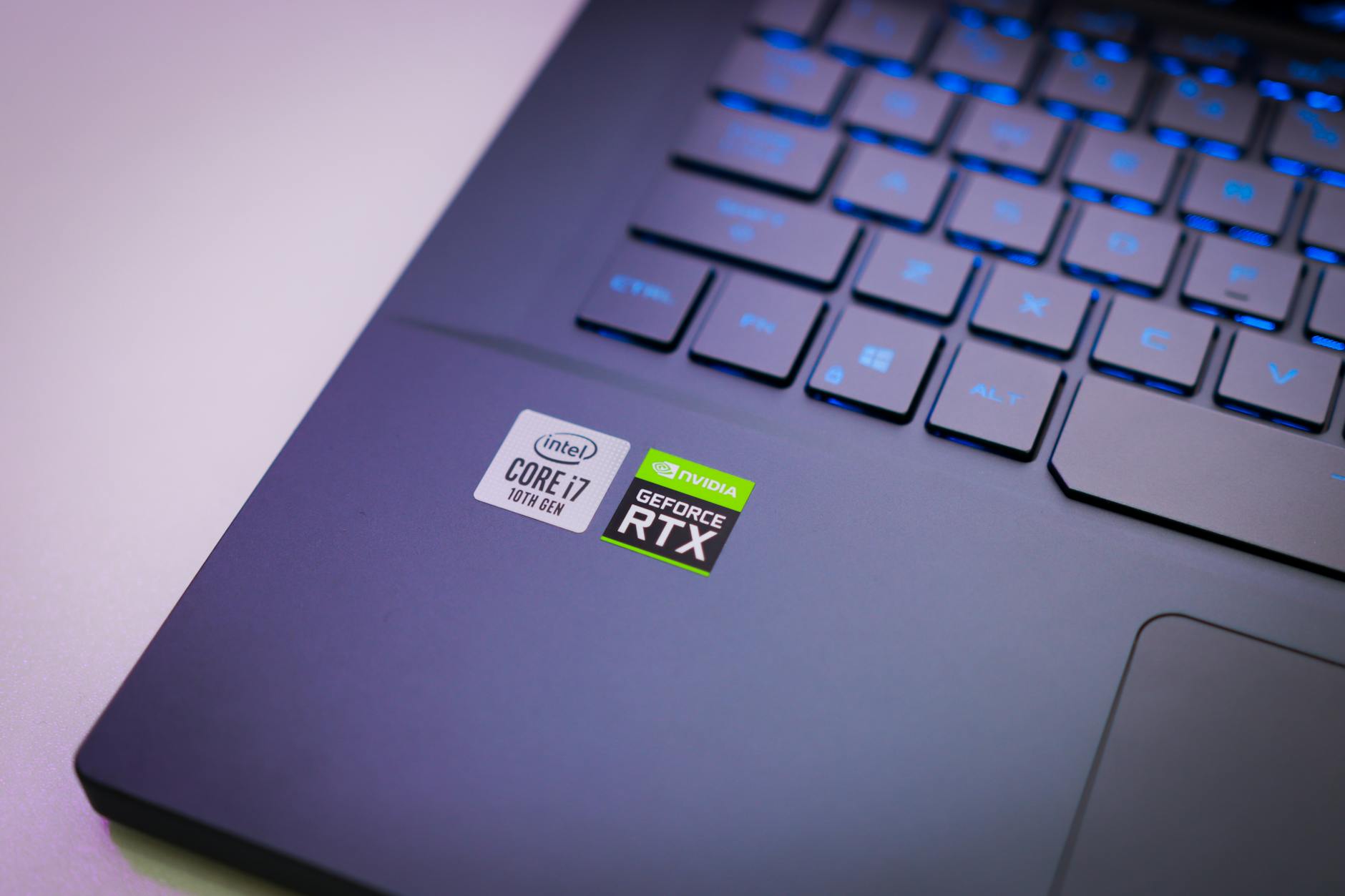
Modern computing demands are outpacing the capabilities of aging hardware, according to a report by cnnchroll.com. The outlet reports that the rise of artificial intelligence, increased processing power requirements, and declining software support are the primary drivers for users to replace their current laptops.
Performance degradation rarely happens overnight. It typically manifests through gradual slowdowns that eventually impact overall productivity. The outlet notes that if basic programs take longer to open even after a fresh boot, the device is likely losing capacity.
Common physical indicators of a failing device include rising temperatures during standard use and batteries that can no longer sustain a full workday. The report also highlights that some systems may even reduce their own power to prevent overheating.
The impact of modern software and connectivity
Newer applications require significantly more resources than previous generations of software. This is particularly evident when users attempt to multitask or run advanced functions within a single environment. The outlet reports that hardware bottlenecks often result in micro-stutters, system freezes, or unexpected crashes when switching between workflows.
Connectivity issues also play a role in hardware obsolescence. Even with high-speed internet connections, older hardware can act as a bottleneck, making it difficult to stream high-resolution content or use modern collaborative platforms efficiently.
Software support remains a critical factor in the decision to upgrade. As operating systems evolve, they demand higher technical specifications that older machines cannot meet. This lack of compatibility leads to a lack of recent updates and increased exposure to security risks.
Recent laptop models address these issues by integrating advanced processors, better memory, and improved storage. These newer devices are designed to handle modern workloads with greater stability and better energy efficiency.