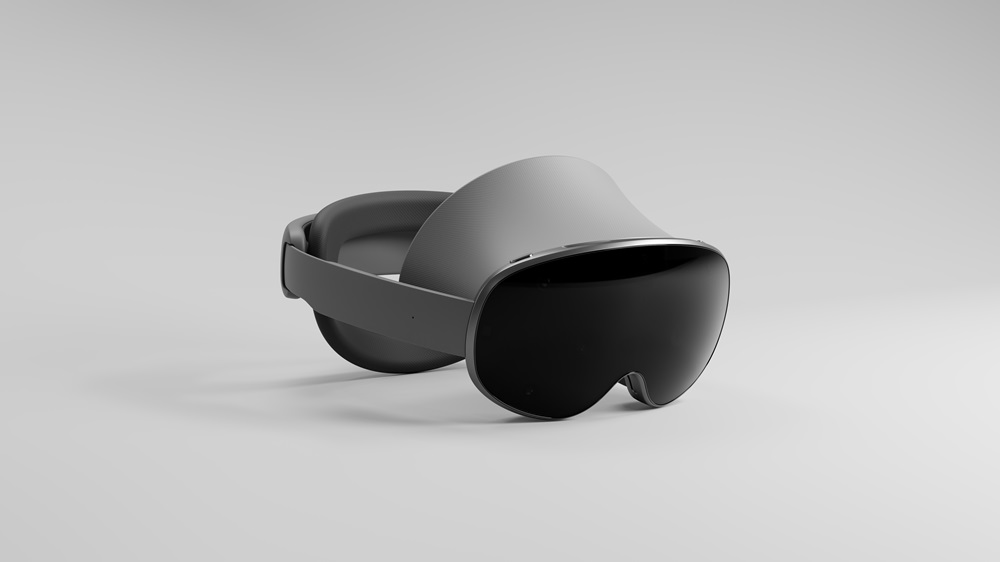
On Tuesday, Google officially rolled out an experimental feature called "auto-spatialization" for Samsung Galaxy XR users. The technology is designed to transform 2D applications, webpages, images, and videos into 3D content, significantly enhancing the immersive quality of the headset.
According to Google, the feature currently comes with a few technical limitations. First, the system only supports content conversion for resolutions up to 1080p at 30fps. Second, the feature only applies to the app window currently in focus and will consume more battery power than standard viewing modes.
Upgrading the Augmented Reality Ecosystem
In addition to auto-spatialization, Google released a series of updates for the Android XR platform. Users can now pin applications to walls and view their real hands while interacting in "home space mode." Furthermore, the system now features state memory, allowing users to pick up exactly where they left off in their workflow after taking off and putting the headset back on.
Google revealed that the number of XR-compatible apps on the Google Play Store has now surpassed 100—a figure that has doubled since the Galaxy XR was first announced last October.
Although the feature is still in its experimental phase, it marks a significant step forward in Google’s efforts to blur the lines between 2D content and 3D spatial computing. For Galaxy XR users, this means that the existing Android app ecosystem can be integrated into a spatial computing environment without requiring developers to rewrite their code.
This update is the latest move by Google to improve the user experience in the highly competitive XR hardware market. By expanding the app ecosystem and refining interaction, Google is aiming to attract more users to its XR platform by enhancing the visual depth of existing software.