France Advances Social Media Ban for Under-15s, Following Australia's Lead
French lawmakers approve landmark legislation restricting social media access for minors amid growing concerns over mental health impacts and online safety.
France Advances Social Media Ban for Under-15s, Following Australia's Lead
Publicidad
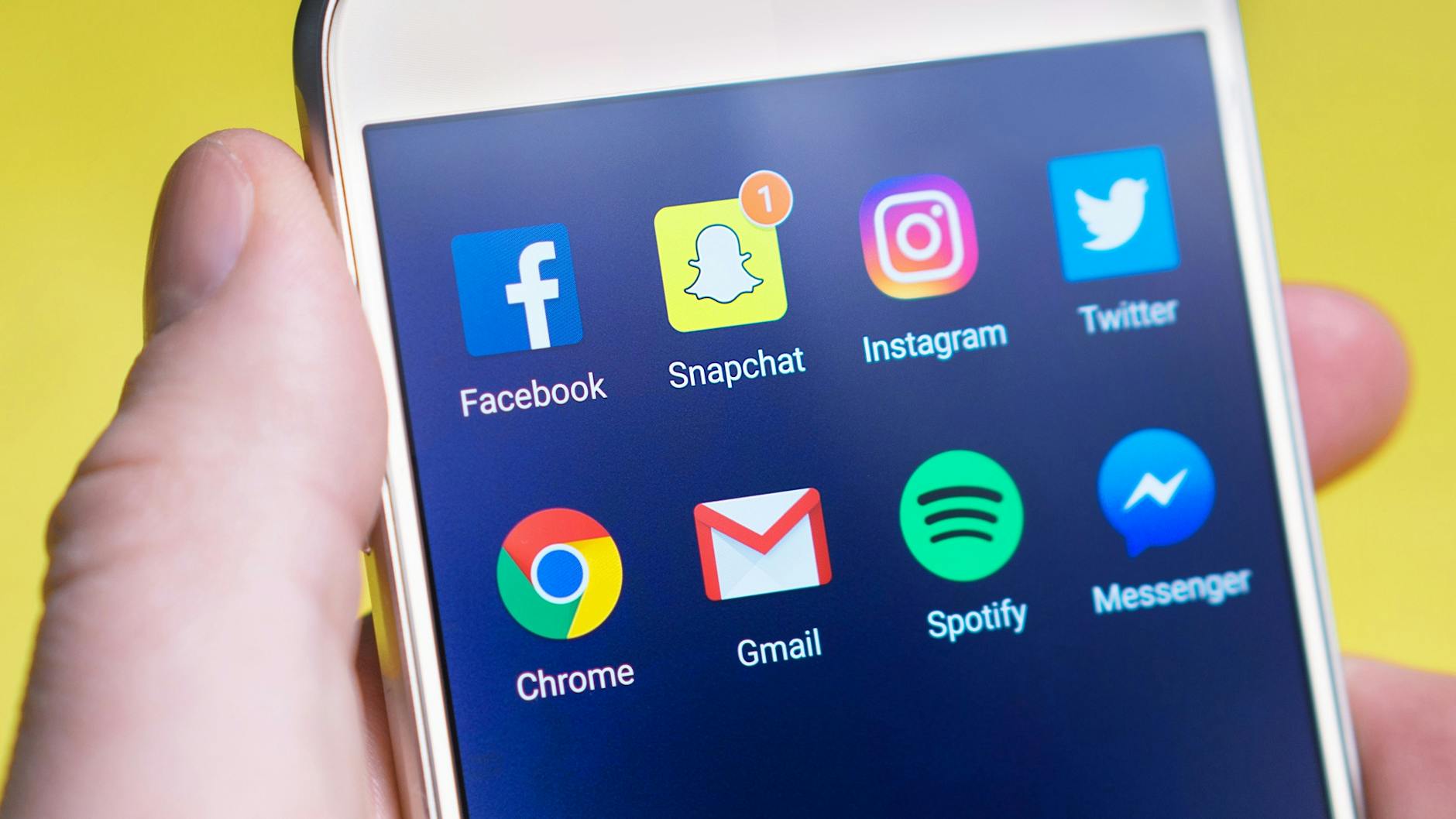
France's National Assembly has taken a decisive step toward implementing one of Europe's most restrictive social media policies, voting 116 to 23 on Monday to approve legislation banning children under 15 from accessing social media platforms.The bill, which now advances to the Senate before returning for a final lower house vote, reflects mounting global concern over the psychological and social impacts of digital platforms on young users. The legislation targets both standalone social networks and social networking features embedded within broader digital platforms.President Emmanuel Macron has positioned the initiative as part of a broader strategy to address youth violence, explicitly citing social media as a contributing factor. The French leader is pushing for implementation by September, aligning with the start of the next academic year, and has pointed to Australia's pioneering under-16 ban as a model worth emulating."With this law, we are setting a clear boundary in society and saying social media is not harmless," centrist lawmaker Laure Miller told the chamber during the bill's presentation. "Our children are reading less, sleeping less, and comparing themselves to one another more. This is a battle for free minds."The French initiative comes as Australia's world-first social media ban for under-16s, covering platforms including Facebook, Snapchat, TikTok, and YouTube, entered force in December. The Australian model is now being studied by multiple European nations, including Britain, Denmark, Spain, and Greece, signaling a potential shift in global digital governance approaches.Conservative lawmaker Thierry Perez characterized the legislation as addressing a "health emergency," questioning whether the democratization of digital expression has come at too high a cost for minors. Public sentiment appears aligned with legislative action, with a 2024 Harris Interactive survey showing 73% support for restricting social media access for under-15s.The technical implementation presents significant challenges, requiring platforms to establish age-verification mechanisms compliant with European Union privacy regulations. Australia's experience has highlighted enforcement difficulties, with underage users publicly demonstrating their continued ability to circumvent restrictions shortly after implementation.The French legislation extends beyond social media access, broadening existing smartphone bans in junior and middle schools to include high schools. This comprehensive approach reflects growing institutional recognition of technology's pervasive influence on educational environments.While the European Parliament has called for EU-wide minimum age standards for social media access, implementation remains a national prerogative, creating a patchwork of regulatory approaches across member states. France's initiative positions the country at the forefront of digital child protection policy, potentially influencing broader European regulatory frameworks.The global implications extend beyond immediate child safety concerns, touching on fundamental questions of digital sovereignty, platform accountability, and the balance between technological innovation and social protection in an increasingly connected world.