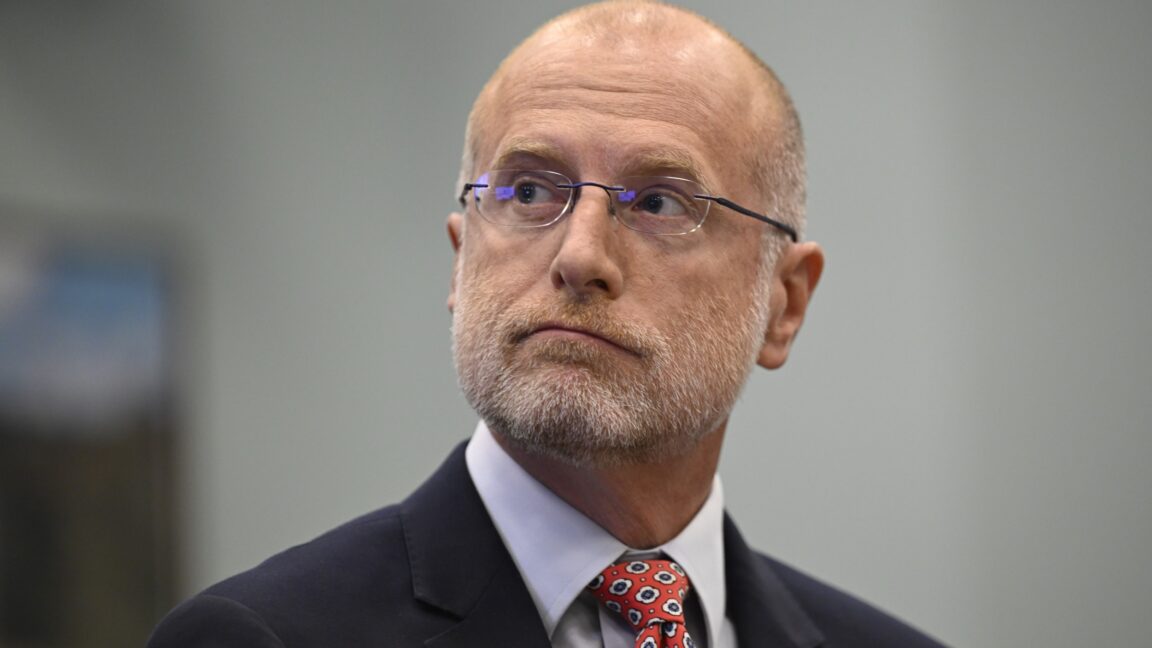
The Federal Communications Commission approved Nexstar Media Group’s $6.2 billion purchase of Tegna yesterday. This regulatory decision grants a waiver allowing the broadcaster to exceed the national limit on station ownership significantly. Nexstar confirmed the acquisition closed late in the day following the official authorization. The move places the company well beyond the established 39 percent ownership cap for national television markets. Regulators cleared the path for a merger that creates one of the largest broadcast groups in history.
While the Department of Justice approved the transaction, a coalition of state attorneys general is challenging the merger in court. Opponents argue that the FCC lacks the authority to grant such a waiver without specific congressional action. They contend that only Congress can legally alter the existing 39 percent ownership cap currently in statute. Legal disputes may delay the full implementation of the deal despite federal greenlighting. The state groups claim the agency exceeded its statutory powers to approve the consolidation.
Under current rules, the FCC calculates the national television ownership limit based on the percentage of US households reached rather than station count. The combined Nexstar and Tegna entity will reach 80 percent of all TV households across the nation. This figure drops to 54.5 percent when applying the specific UHF discount used in regulatory calculations. The distinction remains a key point of contention for legal challengers regarding compliance. Critics maintain that the discount artificially lowers the reported ownership percentage.
Market participants expected US approval following President Trump’s public endorsement of the deal on February 7. The President wrote on Truth Social that more competition against major networks was necessary to counter perceived bias. He explicitly stated that letting good deals like Nexstar and Tegna get done would help knock out fake news organizations. The endorsement signaled high-level political support for the consolidation effort early in the process. Trump added that the deal would operate at a higher and more sophisticated level to ensure quality.
FCC Chairman Brendan Carr shared the President’s post on X and echoed the sentiment regarding national media power. Carr argued that networks like Comcast and Disney have amassed too much power over years. He wrote that bringing real competition to these entities was essential for the industry. His public backing suggests a willingness to prioritize structural changes over traditional regulatory precedents. Carr specifically criticized Hollywood and New York programming for lacking real checks on power.
Nexstar previously ingratiated itself with Carr by temporarily pulling Jimmy Kimmel’s show from its 28 ABC affiliates. This action occurred after Carr threatened broadcasters with license revocations for airing the program. Analysts suggest approving the expansion helps Carr gain a bigger media industry ally in his efforts. The relationship highlights the complex interplay between regulatory bodies and corporate broadcasters. This strategic alignment underscores the shifting dynamics between the commission and station owners.
Regulatory experts note that this consolidation shifts power dynamics within the broadcast sector significantly. The merger allows Nexstar to wield more influence over national networks that provide programming to affiliated stations. This structure may alter how news coverage and entertainment content distribute across local markets. Local affiliates could find their autonomy affected by the increased centralized ownership. Such consolidation could reduce the diversity of voices available to regional audiences nationwide.
Legal challenges from state officials could delay the full integration of the two companies despite federal approval. Courts will need to determine if the FCC overstepped its statutory bounds regarding ownership caps. The outcome of this litigation will set a precedent for future media consolidation requests nationwide. Industry watchers are monitoring the briefing schedules for these upcoming court hearings. A ruling against the FCC could invalidate the waiver and force a restructuring of the deal.
Industry observers will watch closely to see how the merged company handles its expanded reach in the coming months. The deal represents a major shift in the American media landscape following decades of strict ownership limits. Changes in regulatory enforcement might signal broader policy adjustments under the current administration. The long-term effects on content diversity remain a significant question for consumers. Investors are now reassessing the valuation of other publicly traded media companies in the sector.
The FCC decision highlights the intersection of political influence and media regulation in the United States. Future policy debates will likely focus on whether ownership caps protect consumers or stifle competition. Stakeholders must monitor how legal challenges unfold against this unprecedented waiver. The resolution will define the boundaries of media consolidation for years to come. This case serves as a critical test for the independent power of the communications regulator. Political analysts will track how this sets the tone for future administrative rulemaking processes.